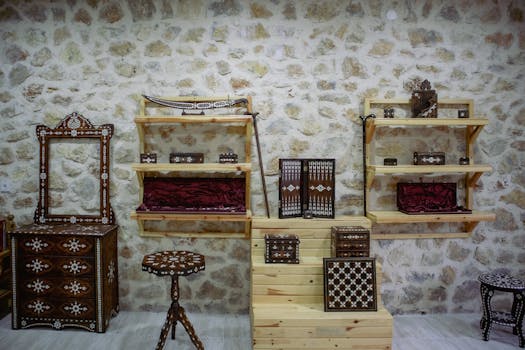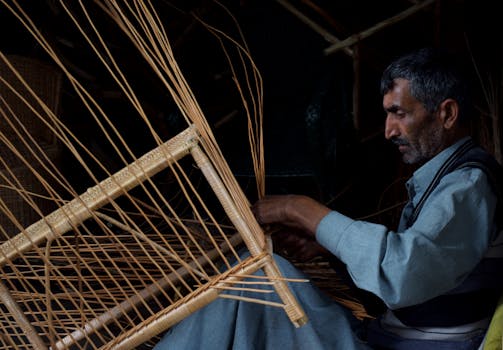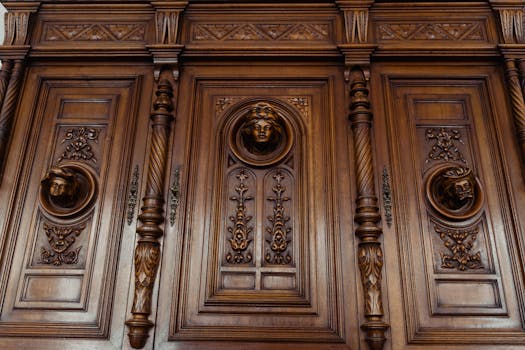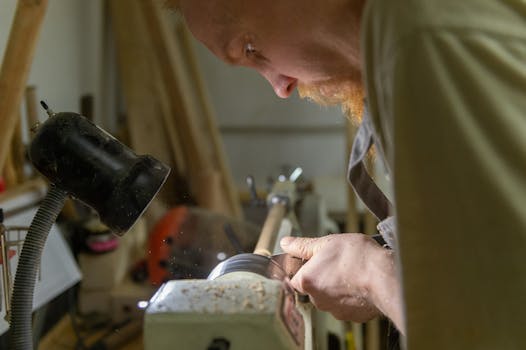
Handcrafted furniture and wood carving hold a special place in the realm of home décor, representing not just utility but a profound sense of artistry and tradition. In a world increasingly leaning towards speed and standardization, these pieces serve as a testament to human ingenuity and the beauty of manual craftsmanship.
The Artistry Behind Handcrafted Furniture and Wood Carving
- Meticulous Craftsmanship
Each piece of handcrafted furniture is a reflection of the artisan's dedication and years of skill refinement. Unlike mass-produced items, where the focus is on quantity and speed, handcrafted items are all about quality and sustainability. The artisan carefully selects each piece of wood, considering its grain, color, and strength, ensuring that the final product is not only beautiful but durable.
.png)
- Time-Honored Techniques
The techniques used in wood carving and furniture making have been honed over centuries. Artisans often learn their craft from previous generations, preserving and continuing age-old traditions. These methods, whether they involve joinery, carving, or finishing, contribute significantly to the cultural heritage and identity of a community or region.
- Customization and Personalization
Handcrafted furniture allows for a level of customization that factory-made pieces simply cannot offer. Artisans can tailor their creations according to individual preferences in style, size, and detail. This aspect of personalization makes each piece unique and specifically suited to the buyer’s needs and aesthetic desires.
Understanding the Effort and Appreciating the Craft
- From Wood Selection to Final Finish
The journey of creating handcrafted furniture begins with the careful selection of wood, which influences everything from aesthetics to longevity. Following this, the wood is shaped and joined using techniques that optimize its natural properties. Carving then adds distinctive details, transforming a simple wood piece into a work of art. Finally, finishing touches are applied to enhance the wood’s beauty and protect it from environmental factors.
- The Skill of Carving
Wood carving requires precision and artistic vision. Artisans must understand the intricacies of wood grain, texture, and behavior under different tools. The carvings could be minimalistic or intricate, depending on the style and the story the artisan wishes to convey through the piece.
- Finishing Techniques
Finishing is crucial as it protects the wood from moisture and wear while enhancing its natural patterns. Techniques vary widely, from French polishing to the use of modern durable sealants, depending on the intended look and functionality of the piece.
Why Choose Handcrafted Furniture?
- Durability and Longevity
Handcrafted furniture is built to last. The quality of the materials and the attention to detail in the construction process ensure that these pieces withstand the test of time better than mass-produced alternatives.
- Uniqueness and Character
Each handcrafted item carries its unique characteristics, which means no two pieces are identical. This uniqueness adds a personal touch and charm to your home décor, something unachievable with standard factory outputs.
- Supporting Local Artisans and Traditional Skills
Purchasing handcrafted furniture supports the artisans and their communities. It helps keep traditional skills alive and provides economic benefits to local economies that are often overshadowed by large-scale manufacturing.
- Environmental Impact
Handcrafted furniture can also be more environmentally friendly. Artisans are likely to source materials locally and use sustainable practices that reduce the carbon footprint compared to large-scale industrial production.
In Conclusion
Investing in handcrafted furniture and wood carvings is more than just acquiring functional items; it's about owning a piece of art that holds historical significance and personal value. As consumers, understanding and appreciating the craftsmanship behind each piece allows us to connect more deeply with our choices, encouraging a shift towards more sustainable and meaningful consumption.