Handmade furniture brings a unique charm and personality to any outdoor space. Whether you’re looking to transform a backyard, balcony, patio, or garden, choosing the right handmade pieces can make all the difference. But with so many options available, how do you select furniture that is not only beautiful but also durable, functional, and tailored to your lifestyle? This comprehensive guide explores the key factors to consider, from craftsmanship and materials to climate compatibility and maintenance, ensuring your outdoor haven is both stunning and long-lasting.
The Unique Appeal of Handmade Outdoor Furniture
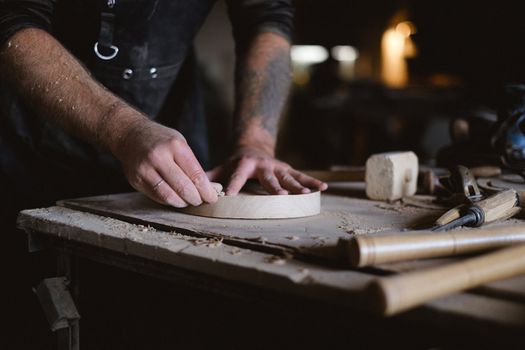
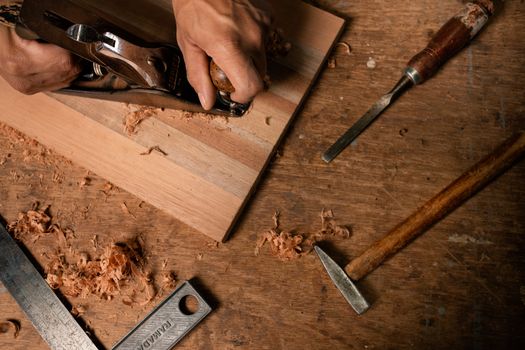
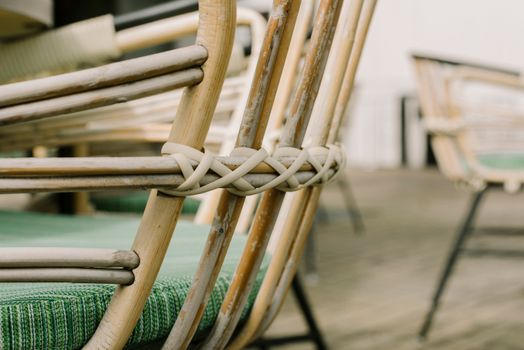
Handmade outdoor furniture stands out for its individuality and character. No two pieces are exactly alike—each bears the mark of its maker, with subtle variations in grain, finish, and construction. Unlike mass-produced furniture, handmade pieces are often created by skilled artisans using traditional joinery methods and quality materials. This results in furniture that not only looks distinctive but also tends to be more robust and long-lasting.
In 2023, the global handmade furniture market was valued at approximately $7.5 billion, with a 6.2% annual growth rate projected through 2028. Outdoor segments are a key driver of this growth, as homeowners increasingly invest in unique spaces for relaxation and entertaining.
.png)
Choosing handmade furniture allows you to support local artisans and sustainable practices, while also enjoying products designed to withstand the rigors of outdoor living. From rustic benches to intricate mosaic tables and sculptural loungers, handmade pieces offer a rare opportunity for self-expression and functional artistry in your garden or patio.
Assessing Materials: What Works Best Outdoors?
The choice of materials is perhaps the most crucial factor when selecting handmade outdoor furniture. Not all woods, metals, or fabrics are created equal—each has unique strengths and weaknesses in the face of sun, rain, and temperature fluctuations.
Common materials for handmade outdoor furniture include:
- Teak: Renowned for its natural oils and dense grain, teak resists water, insects, and rot. It can last up to 50 years outdoors with minimal maintenance and develops a silvery patina over time. - Cedar: Lightweight and aromatic, cedar contains natural oils that deter pests. It’s less dense than teak but remains a popular option for outdoor benches and tables. - Wrought Iron: Offers timeless appeal and exceptional durability, but requires occasional repainting to prevent rust. - Aluminum: Lightweight, rust-resistant, and easy to move, though sometimes less sturdy than iron. - Reclaimed Wood: Eco-friendly and full of character, provided it’s properly treated for outdoor use.Here’s a comparative overview of popular outdoor furniture materials:
| Material | Durability (Years) | Maintenance | Weather Resistance | Eco-Friendliness |
|---|---|---|---|---|
| Teak | 30-50 | Low | Excellent | Good (if responsibly sourced) |
| Cedar | 15-20 | Medium | Good | Excellent |
| Wrought Iron | 25-35 | Medium-High | Very Good | Moderate |
| Aluminum | 10-15 | Low | Excellent | Good (recyclable) |
| Reclaimed Wood | 10-25 | Medium | Depends on treatment | Excellent |
When evaluating handmade furniture, ask the artisan about wood sourcing, finishing methods, and any treatments applied to withstand the elements. For regions with high humidity or rainfall—like the Pacific Northwest—opt for the most water-resistant options. In sunny, arid climates, focus on UV resistance and heat tolerance.
Evaluating Craftsmanship: Signs of Quality and Durability
Not all handmade furniture is created with equal skill or attention to detail. To ensure your investment stands the test of time, look for evidence of high-quality craftsmanship.
Key indicators include:
- Joinery: Mortise-and-tenon or dovetail joints are stronger and more durable than simple screws or nails. - Sanding and Finishing: Surfaces should be smooth, with no rough edges or splinters. Finish should be even and weather-appropriate. - Fasteners: Stainless steel or brass hardware resists rust far better than standard steel. - Stability: Try gently rocking chairs or tables—there should be no wobbling, creaking, or uneven legs. - Weight: Quality outdoor furniture often has a solid, reassuring weight, indicating dense wood or sturdy metalwork.Ask for photos or samples of previous work, and if possible, visit the workshop or studio in person. In a 2022 survey, 68% of buyers reported higher satisfaction with handmade furniture after meeting the artisan and discussing their methods. Don’t hesitate to request references or testimonials from previous clients.
Matching Functionality to Your Lifestyle
Handmade outdoor furniture isn’t just about aesthetics—it should fit seamlessly into your daily routine and the way you use your outdoor space. Before making a purchase, consider:
- Seating Needs: Do you entertain large groups, or is your garden a quiet retreat for two? Modular benches, extendable tables, or stackable chairs can offer flexibility. - Storage: Some handmade pieces can double as storage, such as benches with lift-up seats for cushions or garden tools. - Mobility: If you rearrange your outdoor setup frequently, lightweight materials like aluminum or folding designs may be preferable. - Multi-Season Use: Pieces with removable, washable cushions or weatherproof covers allow for year-round enjoyment.Think about how each piece will be used: Will your dining table host summer barbecues? Do you need shade—perhaps a handmade pergola or canopy? Prioritize features that enhance comfort and convenience, such as built-in drink holders, adjustable backs, or integrated planters.
Design Considerations: Harmonizing with Nature and Architecture
Handmade furniture offers nearly limitless design possibilities. To create a cohesive, inviting outdoor space, consider the following:
- Color Palette: Natural wood tones often blend beautifully with gardens, while painted finishes can add a vibrant pop. Choose hues that complement your home’s exterior and the surrounding landscape. - Scale and Proportion: Oversized furniture can overwhelm a small balcony, while delicate pieces may look lost in a sprawling yard. Measure the available space carefully and select pieces that fit comfortably, leaving room for movement. - Style: From rustic farmhouse to sleek modern minimalism, handmade artisans can craft furniture in virtually any style. Align your choices with your home’s architecture for a harmonious flow. - Customization: Many makers offer bespoke options, from engraved details to tailored dimensions and upholstery. In a 2021 survey, 72% of buyers valued the ability to personalize their outdoor furniture.Don’t be afraid to mix and match materials—combining wood and metal or stone and fabric can add texture and interest to your setup. Use handmade accessories like planters, lanterns, or side tables to pull the look together.
Long-Term Care: Maintaining Your Handmade Outdoor Furniture
Even the most durable handmade furniture requires periodic care to maintain its beauty and function. Here are some best practices:
- Regular Cleaning: Use a soft brush or cloth and mild soap to remove dirt, pollen, and bird droppings. Avoid harsh chemicals that can damage finishes. - Seasonal Protection: Invest in quality furniture covers for the off-season, especially in regions with harsh winters. Store cushions indoors when not in use. - Annual Maintenance: Reapply protective oil or sealant to wooden pieces each year to enhance water resistance and prevent cracking. - Rust Prevention: For metal furniture, check for chips in the paint and touch up promptly to deter rust. Stainless steel and aluminum require less attention. - Inspect Joints and Fasteners: Tighten screws and check for signs of wear or loosening every few months.With proper care, well-made handmade furniture can last decades, developing a rich patina and character unique to your outdoor space.
Final Thoughts on Selecting Handmade Furniture for Outdoor Spaces
Choosing handmade furniture for your outdoor areas is an investment in quality, sustainability, and personal style. By considering materials, craftsmanship, functionality, and design, you can curate a collection that not only endures the elements but also elevates your living space. Support for local artisans and eco-friendly practices adds another layer of satisfaction to the process. With thoughtful selection and regular maintenance, your handmade pieces will become beloved fixtures, transforming your patio, garden, or balcony into a welcoming retreat for years to come.