The Rising Popularity of Handcrafted Furniture
In an age dominated by mass production, the charm and unique appeal of handcrafted furniture are making a significant comeback. This trend is driven by a consumer shift towards sustainability, quality, and the desire for a personal connection with the items that furnish their living spaces.
Why Handcrafted Furniture is Gaining Popularity
.png)
- Unmatched Quality:
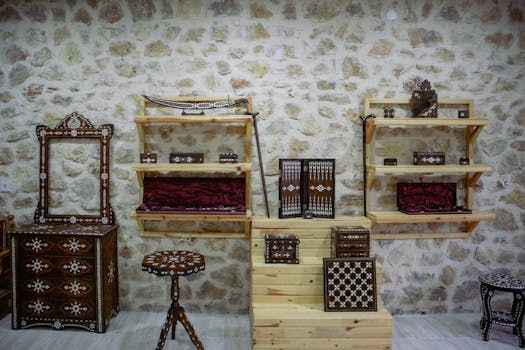
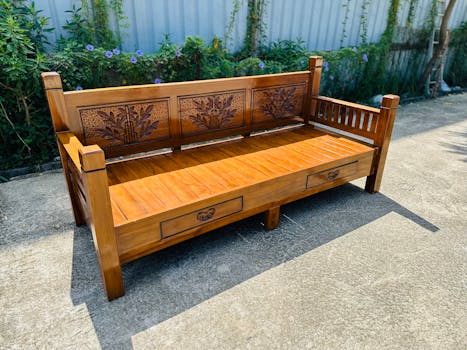
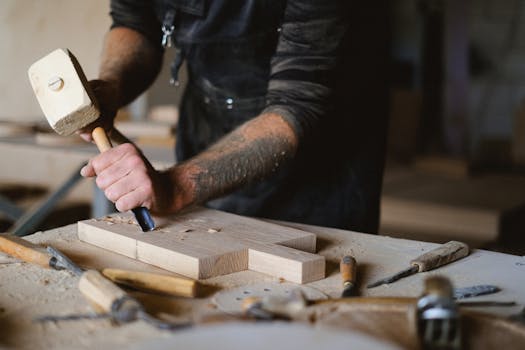
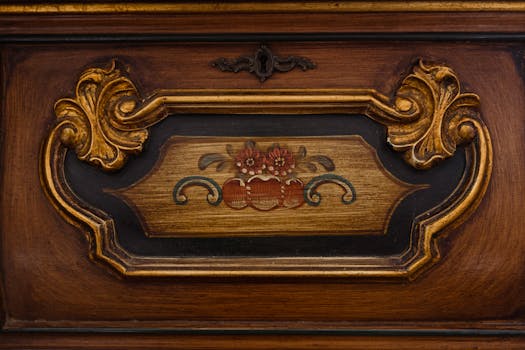
Handcrafted furniture stands out for its superior craftsmanship. Artisans invest considerable time and effort into each piece, selecting high-quality materials that are built to last. This results in furniture that often surpasses mass-produced items in both durability and functionality.
- Sustainability:
Environmental concerns are at the forefront of consumer minds, making the sustainable nature of handcrafted furniture highly appealing. Artisans frequently use locally sourced materials, which not only supports local economies but also reduces the environmental impact of transportation. Additionally, the production techniques employed are generally more eco-friendly than those used in large-scale manufacturing.
- Uniqueness and Personalization:
Each piece of handcrafted furniture is unique, imbued with the individual style and skill of the artisan. This uniqueness allows consumers to express their personal style more freely compared to standard, off-the-shelf products. Moreover, handcrafted furniture offers extensive customization options, catering to specific needs and preferences, which is particularly valuable in urban settings where space and functionality are crucial.
- Emotional Connection:
There is a special kind of attachment that forms when purchasing handcrafted furniture. Knowing that an artisan has put their heart and skill into making a piece tailored possibly to personal specifications creates a sense of appreciation and value that mass-produced items seldom provide.
Challenges and Considerations
Despite its appeal, handcrafted furniture comes with certain challenges. The meticulous process of crafting furniture by hand means these pieces can be more expensive than factory-made alternatives. Additionally, the production time and limited availability can be a hurdle for those needing immediate solutions.
Market Growth and Accessibility
The market for handcrafted furniture has seen substantial growth, facilitated by online platforms that connect artisans with a global customer base. Social media plays a pivotal role, allowing craftsmen to showcase their work and engage with a community that values and supports their craft. This has helped in making these unique pieces more accessible to a broader audience, further fueling the trend.
Conclusion
The preference for handcrafted furniture reflects a broader consumer shift towards products that are not only functional and beautiful but also sustainable and personally meaningful. As this trend continues to grow, it not only benefits the artisans and small businesses but also promotes a more thoughtful and environmentally responsible approach to decorating our living spaces. The future looks promising for the artisanal furniture industry, as more people choose quality and sustainability over convenience and cost.