Title: The Timeless Appeal of Handcrafted Furniture and Wood Carving in Modern Interiors
In the realm of home decor, the enduring charm of handcrafted furniture and wood carving continues to captivate, offering a seamless fusion of traditional artisan skills and contemporary design aesthetics. This combination not only enriches the visual experience of living spaces but also carries forward a legacy of craftsmanship enriched with modern creativity.
Quality and Uniqueness of Handcrafted Furniture
.png)
Handcrafted furniture is celebrated for its exceptional quality and durability. Crafted with meticulous attention to detail, each piece embodies the dedication and passion of the craftsman, ensuring that no two items are exactly alike. This distinctiveness provides a character to handcrafted furniture that mass-produced items cannot match, making each piece a personal statement in a home.
The Art of Wood Carving
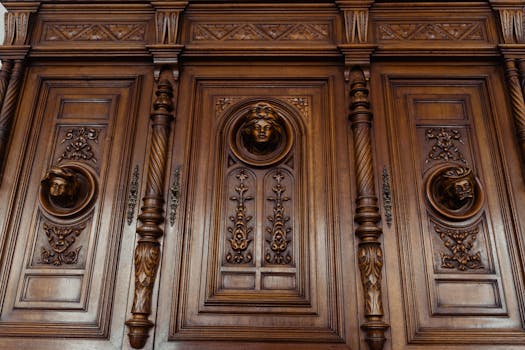
Wood carving, a core element of traditional furniture making, is a craft handed down through generations. It involves detailed and skilled work, where craftsmen use various tools to etch designs inspired by natural elements, historical motifs, or abstract forms. This art not only demands technical expertise but also an in-depth knowledge of wood properties, which varies significantly across different types.
Innovative Design Integration
Today, there is a growing interest in integrating modern design trends with traditional wood carving techniques. Designers are innovatively blending materials such as metals and glass with wood, crafting furniture that suits contemporary spaces while retaining the essence of age-old craftsmanship. This approach not only revitalizes traditional methods but also appeals to modern design sensibilities.
Sustainability and Eco-Friendliness
Sustainability is a compelling aspect of handcrafted furniture. Artisans typically source wood from responsibly managed forests and use eco-friendly finishes, making these pieces more environmentally sustainable compared to their factory-produced counterparts. The longevity of handcrafted furniture also means it can be passed down through generations, reducing the environmental impact associated with frequent furniture replacement.
Supporting Local Economies and Crafts
The creation of handcrafted furniture and wood carvings supports local artisans and small businesses. By sourcing materials locally and purchasing from craftsmen, consumers contribute to preserving cultural heritage and promoting a sustainable economic model that benefits local communities.
Versatility in Interior Design
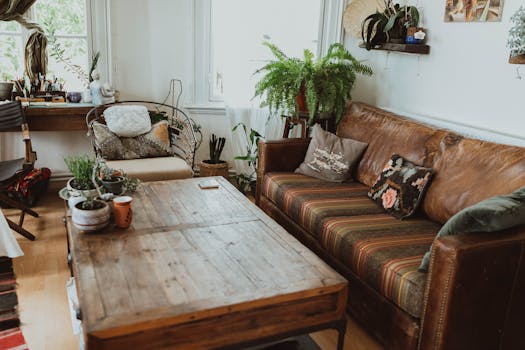
Handcrafted furniture is incredibly versatile, aligning well with various decor styles from rustic to modern minimalist. For example, a hand-carved wooden coffee table can become the focal point in a modern living room, adding a touch of sophistication with its intricate details. Similarly, a bespoke wooden bed frame can introduce warmth and rustic charm to a contemporary bedroom setting.
Emotional Connection and Artistic Value
Owning handcrafted furniture goes beyond aesthetic and functional value; it is about possessing a piece of art that has a story and history. The knowledge that each piece was made with expert care and attention adds an emotional dimension, enhancing the value of the furniture beyond mere utility.
Exploring and Purchasing Handcrafted Pieces
For those interested in integrating handcrafted furniture into their homes, it is advisable to explore local workshops or galleries to gain insight into the craftsmanship processes and the stories behind the creations. Additionally, many artisans now showcase their work online, providing an accessible platform for purchasing authentic handcrafted pieces globally.
Conclusion
Handcrafted furniture and wood carving are not merely elements of decor but are expressions of artistic tradition melded with modern design. They offer a unique alternative to ubiquitous factory-made furniture, bringing uniqueness, sustainability, and a profound cultural connection into our homes. As appreciation for such craftsmanship grows, it continues to elegantly bridge the old with the new, enriching our living spaces in deeply meaningful ways.