The convergence of function and art in handcrafted furniture not only elevates the aesthetic dimension of interiors but also imbues them with a distinctive, personal touch that factory-produced items seldom achieve. This article delves into the intricate dance between utility and aesthetics in bespoke furniture crafting, illustrating why these pieces are treasured in contemporary decor.
Craftsmanship and Individuality
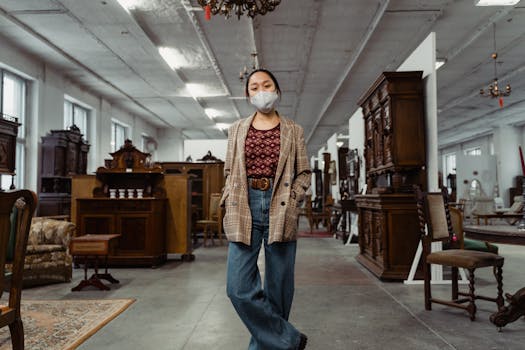
At the heart of handcrafted furniture is the expertise of artisans who often employ age-old techniques inherited from previous generations. Each piece of furniture is distinct, reflecting the personal style and meticulous attention to detail of the craftsman. This uniqueness is a primary allure of handcrafted furniture, turning each item into a standalone masterpiece.
.png)
Artistic Expression Through Wood Carving
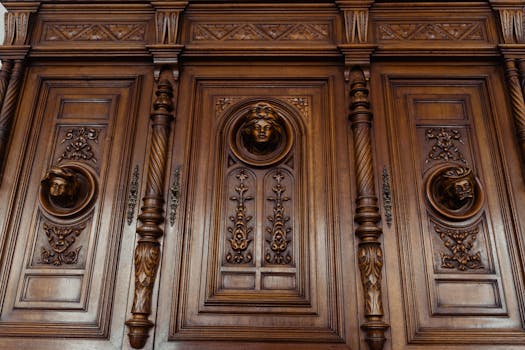
Wood carving plays a crucial role in furniture making, allowing artisans to infuse pieces with ornamental patterns or figurative sculptures. The complexity of these carvings can range from minimalistic designs to elaborate scenes and motifs that embody cultural stories or values. Such detailed work not only enhances the visual appeal but also adds narrative depth, transforming basic functional items into captivating art pieces.
Enhancing User Experience with Aesthetics
The amalgamation of art and functionality in furniture is not purely for visual delight; it also aims to forge a deeper connection between the piece and its user. Handcrafted furniture is built for everyday use, its elegance elevating routine experiences, making ordinary moments feel extraordinary. A hand-carved table or chair, for instance, combines comfort with visual pleasure, enriching its surroundings and the user's interaction with the space.
Sustainability and Economic Impact
Handcrafted furniture often incorporates locally sourced materials, lessening the environmental impact associated with long-distance transportation of supplies. These pieces are generally more durable than mass-produced alternatives, contributing to decreased waste and promoting sustainable consumption practices. Furthermore, the creation of such furniture supports local economies, often benefiting small-scale industries and family-owned businesses that depend on community patronage.
Challenges and Market Dynamics
Despite its appeal, crafting handcrafted furniture comes with its set of challenges. The intensive labor and time required to create each piece can make them costlier than commercially produced items. Moreover, the dependence on traditional crafting methods may restrict production capabilities, making it tough to satisfy large orders. Nonetheless, the demand for such unique, high-quality pieces continues to surge as consumers increasingly value the craftsmanship and environmental ethos they embody.
Digital Influence and Future Prospects
The digital era has amplified appreciation for handcrafted furniture, enabling artisans to showcase their creations worldwide and access new markets via online platforms and social media. Yet, these pieces are regarded not merely as functional items but as potential heirlooms, embodying personal and cultural narratives that are cherished and passed down through generations.
Conclusion
The integration of function and art in handcrafted furniture transcends mere trendiness, representing a profound celebration of human ingenuity and craftsmanship. This fusion not only beautifies living spaces but also enhances them with utility and personal significance, a reminder of the enduring value of handcrafted, personal touches in our increasingly digital world. As we look ahead, this blend of aesthetics and practicality will continue to enchant and inspire, reinforcing the importance of craftsmanship in enriching our daily lives.