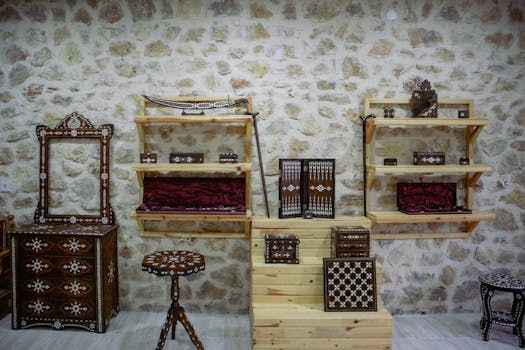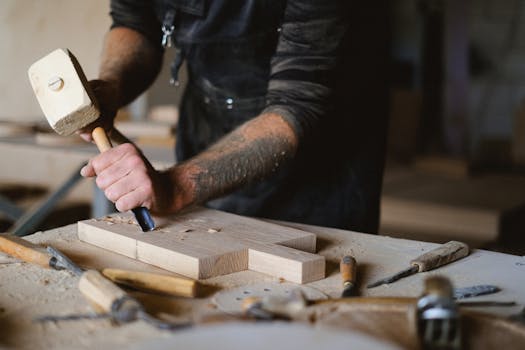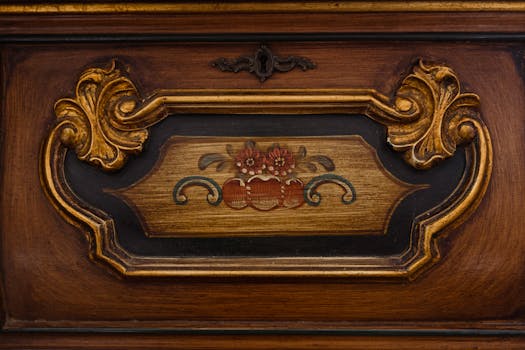
The realm of handmade furniture and wood carving is not just surviving in the modern era; it's thriving, propelled by a blend of age-old craftsmanship and innovative new practices. This fusion is leading to the creation of pieces that are both functional and artistically captivating, ensuring that this traditional art form remains relevant and cherished in today's design world.
Sustainable and Reclaimed Materials
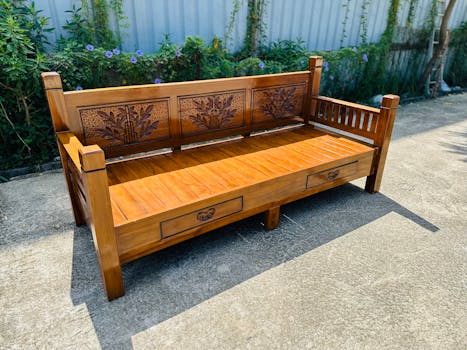
One of the most significant shifts in handmade furniture is the increasing use of sustainable and reclaimed materials. Artisans are sourcing wood from old buildings, fallen trees, and other non-traditional sources. This not only helps to preserve natural resources but also imparts a piece of history and uniqueness to each item. Furniture made from reclaimed wood carries a distinct character, often featuring rustic finishes and a patina that new materials can't replicate. This practice is appealing not only for its environmental benefits but also for the stories these materials can tell, making each piece a conversation starter.
.png)
Minimalism and Functionality
Modern handmade furniture is also characterized by a minimalist aesthetic that emphasizes clean lines and uncluttered forms. This simplicity in design underscores the natural beauty of the wood and showcases the artisan's skill. Moreover, such designs tend to be versatile, fitting seamlessly into various interior styles from traditional to contemporary. Functionality is key, with furniture often designed to serve multiple purposes or to fit into compact spaces, reflecting the demands of modern living.
Technological Integration in Craftsmanship
While handmade traditionally means crafted by hand, modern artisans are not shy about incorporating technology into their processes. The use of CNC routers, laser cutters, and 3D printing technology allows for precision and intricacy that manual techniques cannot achieve alone. These technologies are used to create complex geometric patterns, intricate lace-like carvings, and even sculptural forms that challenge the conventional boundaries of wood furniture.
Innovative Use of Mixed Materials
Today's wood artisans are breaking the mold by integrating materials like metal, glass, and resins into their creations. This not only diversifies the textures and colors available but also enhances the structural integrity of the furniture. For instance, metal inlays can be used to reinforce stress points in a wooden chair, while epoxy resins can be used to fill voids in wood, creating visually stunning effects and making use of otherwise unusable pieces of timber.
Customization and Personalization
In a world where mass-produced furniture is the norm, the demand for personalized and customizable pieces is growing. Consumers value items that reflect their personal style and fit their specific needs. Artisans are responding by offering bespoke services, where buyers can specify everything from the type of wood and finish to the dimensions and design features. This trend not only caters to the consumer's desire for individuality but also enhances the bond between maker and buyer, adding a personal touch that is often lost in commercial manufacturing.
Conclusion
The resurgence and evolution of handmade furniture and wood carving are testaments to the enduring appeal of craftsmanship and the human touch in an increasingly industrialized world. By embracing new materials, technologies, and trends, artisans are reinventing traditional practices, making them relevant for contemporary consumers while preserving the artistic heritage of wood crafting. As this field continues to evolve, it promises to bring more innovative, beautiful, and sustainable options to the forefront of design.