The resurgence of handmade furniture reflects a deeper appreciation for craftsmanship, sustainability, and personalized design in modern homes. This movement isn't just a return to traditional techniques; it's a response to the impersonal nature of mass production and a step towards more conscious consumerism.
Why Handmade Furniture is Gaining Popularity
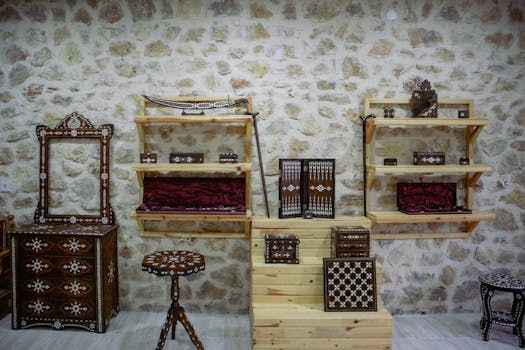
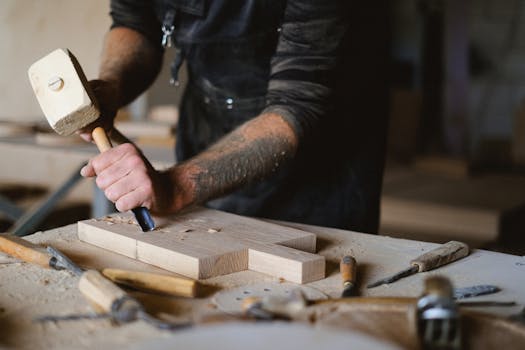
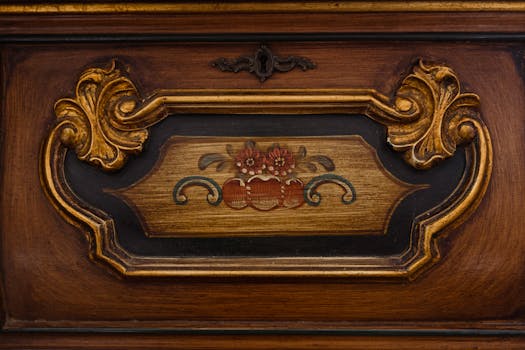
- Unique Design and Craftsmanship: Each piece of handmade furniture is unique, infused with the personal touch and skill of its creator. These pieces stand out for their craftsmanship and detail, which are often lacking in mass-produced furniture.
- Sustainability and Eco-Friendliness: Handmade furniture makers often use locally sourced materials, reducing the environmental impact of their products. The longevity of these pieces also means less waste, as they are not replaced as often as cheaper, mass-produced alternatives.
- Support for Local Economies: Buying handmade furniture directly supports artisans and small businesses, contributing to local economies. This aspect is particularly appealing to consumers who are increasingly looking to make ethical purchasing decisions.
- Customization Options: Unlike standard, off-the-shelf options, handmade furniture can be customized to specific tastes and requirements. This level of personalization is highly prized in contemporary interior design, where space optimization and personal style are key.
- Quality and Durability: Handcrafted furniture is built to last, using time-honored techniques and quality materials that stand up over time. This durability makes handmade furniture a cost-effective option in the long run, despite the higher initial investment.
Integrating Handmade Furniture in Modern Homes
.png)
Integrating handmade furniture into modern homes goes beyond just choosing a piece; it's about creating a narrative within your living space. Here are some tips on how to blend these pieces seamlessly with contemporary decor:
- Mix and Match: Combine handmade pieces with modern elements to create a balanced look. For example, a rustic wooden table can be paired with sleek, modern chairs for a dynamic dining room setup.
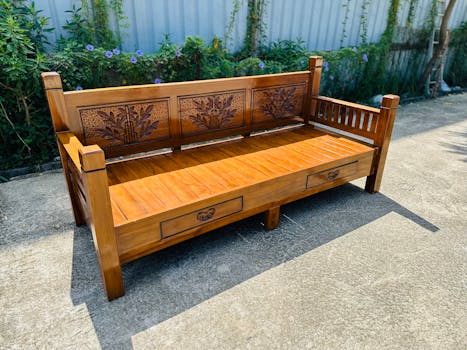
- Focus on Statement Pieces: Let a handmade piece be the focal point of a room. A beautifully crafted bookshelf or a bespoke wooden bed can serve as a centerpiece around which other elements of the room can be coordinated.
- Add Texture and Warmth: Handmade furniture often brings texture and warmth to a space, qualities that are sometimes missing in modern design. Use these pieces to add a cozy, inviting feel to your home.
- Consider the Scale: Ensure that the scale of the furniture complements the size of your space. Handmade furniture can be custom-made to fit specific dimensions, which is a significant advantage for both large and small spaces.
Challenges and Considerations
While the benefits are numerous, there are some challenges to consider when opting for handmade furniture:
- Cost: The cost of handmade furniture can be higher than that of mass-produced items due to the labor and skill involved in its creation. However, the investment is often justified by the superior craftsmanship and longevity of the pieces.
- Lead Time: Custom pieces take time to create. Potential buyers should be prepared for longer wait times compared to buying ready-made furniture off the shelf.
In embracing handmade furniture, modern homeowners are not only enhancing their living spaces but also making a positive impact on the environment and their local economies. This movement towards handcrafted items is a testament to the growing desire for more thoughtful, sustainable, and personalized interior design in today’s homes.