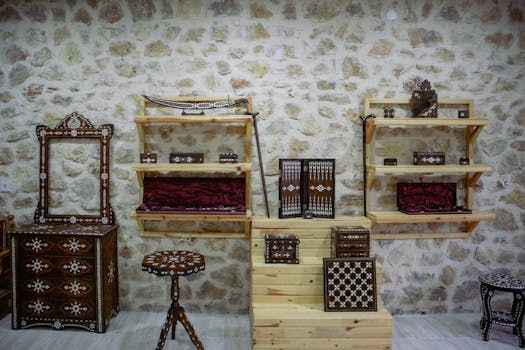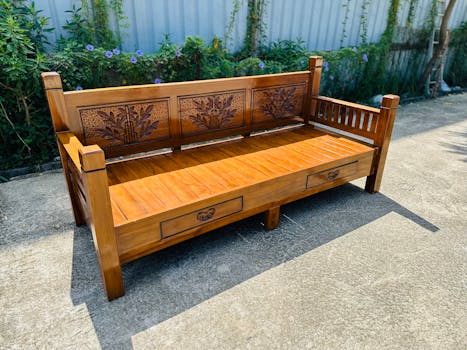
Handmade furniture and wood carving boast a timeless appeal that resonates deeply in the world of interior design. These items transcend their functional roles, serving as profound expressions of artistic endeavor and a bridge to cultural heritage. This article delves into the significance of these crafted pieces, their creation process, and their enduring value in contemporary settings.
The Heritage of Handmade Furniture and Wood Carving
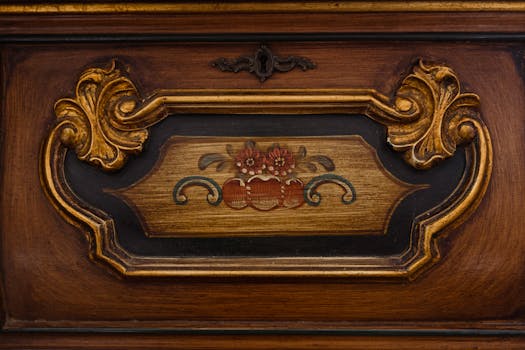
The tradition of wood carving and furniture making stretches back millennia, with each era and region contributing its flavor and techniques. Ancient Egyptian artisans crafted intricate furnishings for their pharaohs, while medieval European craftsmen honed their skills to decorate stately homes and religious institutions. The Renaissance period, in particular, saw a flourishing of artistic expression in wood, with elaborate motifs and figures carved into everyday items, turning them into works of art.
.png)
Crafting Process: A Labor of Love
Creating handmade furniture and wood carvings is an intricate process demanding not only technical skill but also an artistic touch. It starts with selecting the appropriate wood, considering factors like grain, color, and durability. Popular choices include:
- Oak: Known for its strength and beautiful grain.
- Maple: Durable and with a fine, consistent texture.
- Cherry: Prized for its rich color and smooth grain.
- Mahogany: Favored for its beauty and longevity.
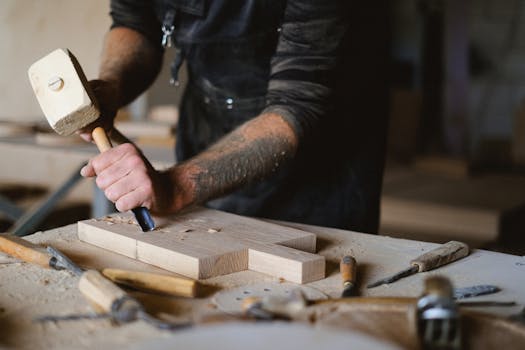
Designers and craftsmen then move on to sketching designs, often drawing inspiration from the wood's natural properties or specific themes. Modern tools may assist in cutting and shaping, but traditional instruments like chisels and mallets are indispensable for detailed work. The carving itself requires patience and precision, as artisans etch intricate patterns and figures into the wood.
The Finishing Touch
The final stage involves finishing the piece to enhance its beauty and ensure its durability. Techniques include sanding, staining, and applying sealants to protect the wood from moisture and wear. This not only beautifies the piece but also helps preserve it for future generations.
Sustainability and Uniqueness
Handmade furniture stands out not just for its aesthetics but also for its environmental sustainability. Artisans often source materials responsibly and use non-toxic finishes, contrasting sharply with the mass production methods that dominate modern furniture manufacturing.
Each handmade piece is unique, reflecting the individual quirks of its materials and the personal touch of its creator. This exclusivity adds to the allure, making each item a focal point in a room and a topic of conversation.
Emotional Resonance and Legacy
Beyond their beauty and utility, handmade furniture pieces forge a personal connection with their owners. They often become cherished heirlooms, imbued with memories and history, passed down through generations. This emotional depth adds a layer of value that factory-made items cannot replicate.
Conclusion: Celebrating Craftsmanship
The world of handmade furniture and wood carving is a testament to the enduring human spirit of creativity and craftsmanship. In an age dominated by automated production, these artisanal pieces remind us of the value of the human touch and the profound impact of heritage on our living spaces. They are not merely objects of utility but symbols of beauty and continuity, connecting past, present, and future through the timeless art of woodcraft.