Title: How Handmade Furniture Elevates the Art of Craftsmanship
In an age where mass production is the norm, the allure of handmade furniture and wood carving shines through, offering a unique blend of authenticity and exceptional craftsmanship. This traditional practice not only highlights the talents and commitment of artisans but also exemplifies what true craftsmanship entails. This article delves into how handmade furniture and wood carving serve as the epitome of craftsmanship, enhancing both the aesthetic and functionality of our living spaces.
Superior Quality and Durability
.png)
Handmade furniture is highly esteemed for its durability and quality. Each piece is crafted with meticulous attention, incorporating the artisan's personal touch. The selection of materials is a careful process, with craftsmen opting for high-quality, sustainable wood. This choice not only ensures the longevity of the furniture but also promotes environmental sustainability. Different woods like oak and maple each bring their own unique properties and advantages that skilled craftsmen exploit to improve the end product.
The Meticulous Process of Creation
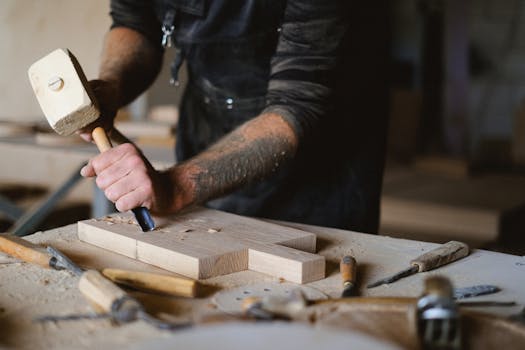
The making of handmade furniture is a detailed and methodical process involving multiple stages—designing, cutting, assembling, finishing, and polishing. Each step is critical and demands a profound understanding of the material and its intended use. Techniques such as dovetail or mortise and tenon joinery are employed not just for their utility in assembling wood but also for their contribution to the furniture's structural strength and visual appeal.
The Art of Wood Carving
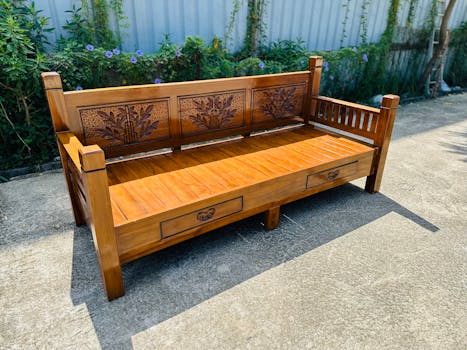
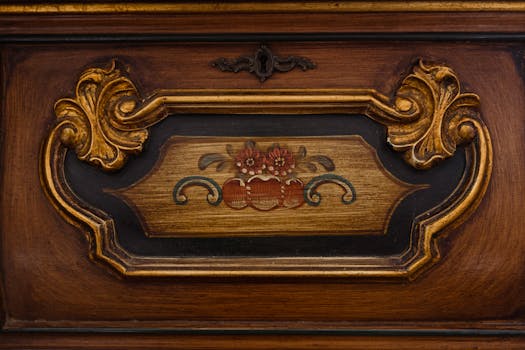
Wood carving, essential for crafting detailed and decorative furniture, showcases exceptional craftsmanship. This art necessitates not only technical skills and precision but also a creative vision. Carvers must be intimately familiar with the grain, texture, and properties of the wood to effectively realize their designs. The resulting motifs and patterns, ranging from simple borders to elaborate scenes, add a unique elegance and distinctiveness to the furniture.
Aesthetic Appeal
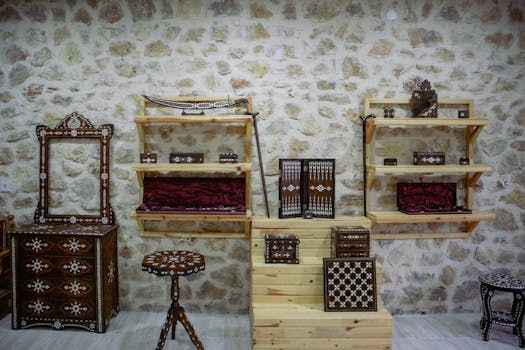
The beauty of handcrafted furniture is undeniable. Each piece narrates a story, evident in its design, the artisan's markings, and even in the finishing touches like oils or stains. These elements collectively transform a mere functional item into a piece of art. Admirers of handmade furniture often view their purchase as an investment in art and heritage, rather than just a transaction.
Sustainability and Social Impact
Handmade furniture and wood carving also underscore sustainability. In a world increasingly conscious of environmental impact, opting for handcrafted items made from responsibly sourced materials is a proactive choice for sustainable living. Artisans typically emphasize the use of local, renewable resources and non-toxic finishes, contributing to a healthier ecosystem.
Furthermore, supporting the handmade furniture industry has significant social implications. It helps preserve traditional skills and provides livelihoods for artisans, ensuring these age-old crafts are passed down through generations and remain vibrant.
Conclusion
Handmade furniture and wood carving transcend mere functionality; they are a higher expression of craftsmanship. They mirror the artisans' dedication, skill, and passion while embodying sustainability and cultural preservation principles. In a world gravitating towards uniformity, these pieces offer individuality and promise longevity, both stylistically and structurally. As we choose furnishings for our spaces, considering the profound impact of opting for handmade furniture can redefine our understanding of true craftsmanship.