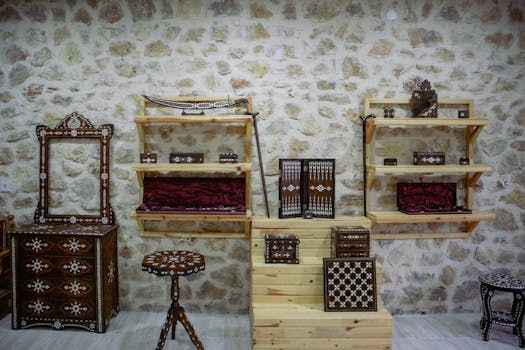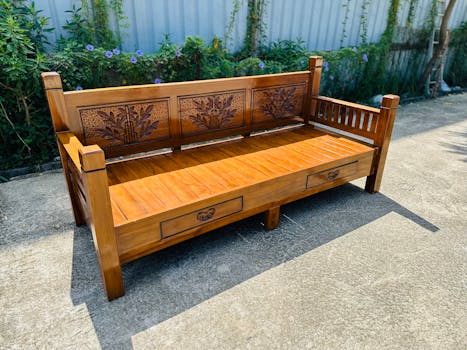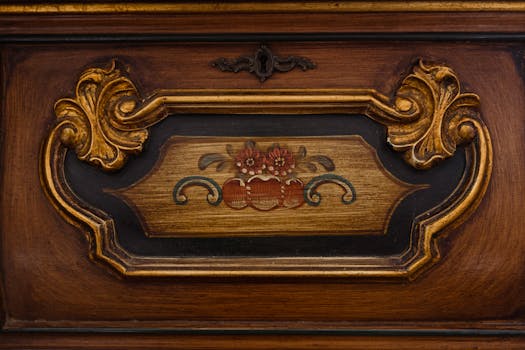
The art of handmade furniture and wood carving exemplifies a dedication to craftsmanship that transcends mere functionality, embedding each piece with a story, a slice of history, and a personal touch. These crafts not only furnish spaces but also enrich them with a timeless aesthetic and enduring quality that mass-produced items seldom match.
Techniques in Handmade Furniture Making
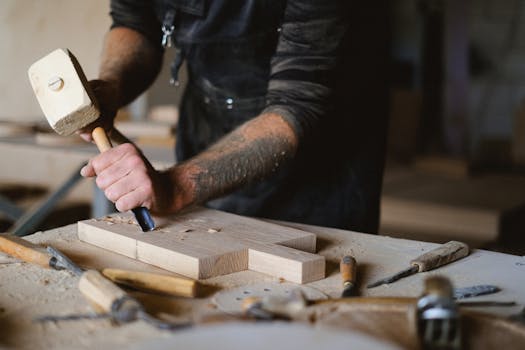
The techniques used in handmade furniture making are as varied as they are complex. From the initial wood selection to the final finish, each step involves a deep understanding of material properties and a meticulous approach to design. Techniques like steam bending, woodturning, and inlaying are also part of some craftsmen's repertoire, allowing for a broad range of styles—from rustic to contemporary.
.png)
Influence of Wood Carving Across Cultures
Wood carving varies significantly across different cultures, each adding its own unique touch to the craft. For example, the intricate Jali carvings of India provide not only aesthetic beauty but also ventilation within architectural designs. African tribal carvings, which often serve spiritual or ceremonial purposes, tell tales of ancestral lineage and cultural myths. Balinese wood carving is deeply intertwined with the island’s religious and artistic traditions, famously seen in intricate sculptures and furniture that adorn temples and homes.
The Value of Handmade
One of the most compelling aspects of handmade furniture and wood carvings is their inherent value. This value is not only monetary but also cultural and environmental. Handcrafted pieces are typically more durable, made from high-quality materials that age beautifully. Financially, while the upfront cost may be higher than that of factory-made items, the longevity and timeless design of handcrafted furniture ensure that it often becomes a family heirloom, passed down through generations.
Supporting Local Artisans
Choosing handmade furniture and wood carvings also supports local artisans and small businesses, providing economic benefits to communities and helping to keep traditional crafts alive. Many artisans are part of cooperatives or family-run businesses that rely on the sale of their goods to sustain their art and livelihoods.
Sustainability in Craftsmanship
Sustainability is another crucial element of handmade furniture. Artisans are increasingly using reclaimed or responsibly sourced wood, minimizing waste by maximizing the use of each piece of timber. The slow production processes associated with handcrafting furniture align with eco-friendly practices, contrasting sharply with the fast-paced, waste-laden procedures typical of mass production.
Conclusion
The art of handmade furniture and wood carving is a profound expression of human creativity and environmental stewardship. It reflects a commitment to quality and sustainability that is more important than ever in our rapidly industrializing world. By choosing handmade, consumers invest in not just a piece of furniture, but a piece of art that holds meaning, history, and a promise of longevity. As we continue to value these timeless crafts, we ensure that they remain vibrant and cherished components of our cultural landscape and daily lives.