Exploring the Craftsmanship and Heritage of Wood Carved Furniture
Wood carving, an ancient craft, has been shaping simple wood pieces into stunning works of art for centuries. This technique is particularly valued in the creation of handcrafted furniture, where it introduces unparalleled aesthetic depth and a personal touch that factory-produced items simply cannot match. This article delves into the techniques, tools, and cultural importance of wood carving, highlighting its relevance in producing both beautiful and enduring furniture.
Techniques of Wood Carving
.png)
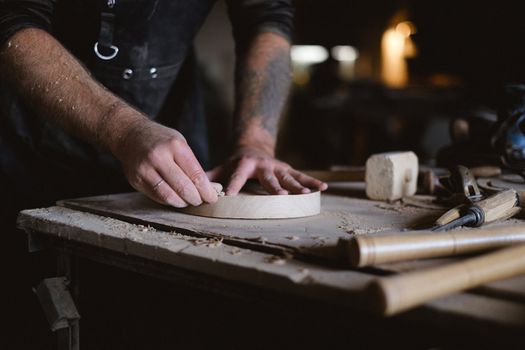
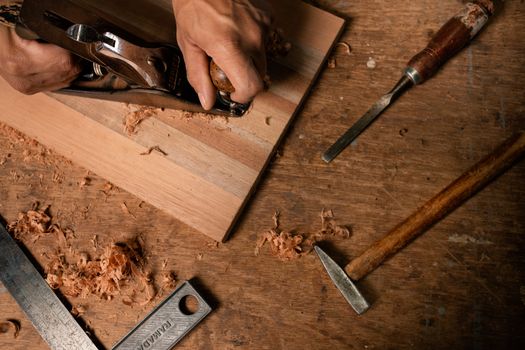
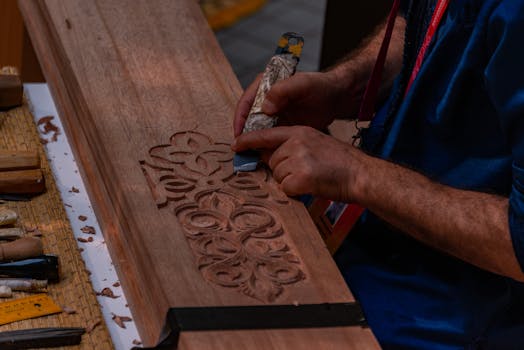
Wood carving is a meticulous process that involves removing material from wood to achieve the desired design. The complexity of the designs can range from basic patterns to complex scenes, reflecting the carver's skill and artistic vision. The primary techniques in wood carving include:
- Chip Carving: Utilized mainly for adding intricate geometric patterns to smaller furniture pieces. This technique involves chipping away small pieces of wood to create elaborate designs, often used to adorn borders or accentuate details on items like cabinets and chairs.
- Relief Carving: This technique offers a three-dimensional appearance by carving figures that stand out from the background. Suitable for larger furniture items such as wardrobes and grand tables, relief carving allows for varied depths which produce captivating light and shadow effects on the wood.
- Intaglio Carving: Unlike relief carving, intaglio involves engraving into the wood, creating a recessed pattern. This detailed work is less common in large furniture but is often seen in artistic pieces and detailed inlays.
Selecting the Right Wood
The choice of wood is pivotal in carving, with different woods suited to various carving techniques and furniture types. Hardwoods like oak, mahogany, and walnut are favored for their longevity and the exquisite finishes they afford. Softer woods like pine, while easier to carve for intricate designs, are generally used for practice or less durable pieces.
Functionality Meets Aesthetics
Wood carved furniture isn't only about visual appeal. These pieces are engineered to be robust and functional. The joints and connections in carved furniture are meticulously crafted, emphasizing durability just as much as the visual design, ensuring the furniture’s functionality and longevity.
Cultural Significance
Wood carving holds profound cultural significance across various cultures, serving as a medium for storytelling and historical preservation. Furniture carvings may depict mythological narratives, historical events, or scenes from daily life, acting as a narrative vessel that conveys traditions and stories across generations.
The Value of Handcrafted Furniture Today
In today's market, where mass-produced furniture predominates, handcrafted, carved furniture stands out for its distinctiveness and the craftsmanship it entails. These pieces are often viewed as valuable investments or heirlooms, appreciated for their artistry and the personal histories they carry.
Integrating Carved Furniture into Modern Homes
For those considering adding wood carved furniture to their home decor, it's important to match the furniture’s style with the room's existing aesthetic. Whether it's a standout piece or several harmonizing items, wood carved furniture can significantly enhance a room's character. Proper care, including regular dusting and occasional polishing with suitable wood care products, is essential to maintain the furniture’s beauty and integrity over time.
Conclusion
Wood carving in furniture is more than an art form; it is a fusion of functionality, beauty, and history. Each carved piece tells a story, offers unique flair, and brings unmatched character to home interiors. For enthusiasts of traditional craftsmanship or those looking to enrich their living spaces with distinctive pieces, wood carved furniture presents an extraordinary choice that transcends basic utility.