The Emotional Connection to Handcrafted Wooden Furniture and Carvings
There’s something undeniably special about handcrafted wooden furniture and carvings. Beyond their practical use or decorative allure, these items evoke a powerful emotional response. People often find themselves inexplicably drawn to a hand-carved chair, an intricately detailed wooden table, or a delicate sculpture — but why? The answer lies in the deep and multifaceted emotional connection we forge with objects shaped by human hands, especially when wood is the medium. This article delves into the reasons behind this connection, blending psychology, history, and modern insight to uncover why handcrafted wooden pieces resonate so deeply with us.
The Psychology of Touch: Why Handcrafted Wood Feels Special
The sense of touch plays a critical role in our emotional relationship with wooden objects. Studies have shown that people experience a unique sense of comfort and warmth when touching wood. In a 2017 study published in the journal Frontiers in Psychology, researchers found that natural wood surfaces reduced participants’ stress levels significantly compared to synthetic materials such as plastic or metal. The tactile feedback of wood — its grain, temperature, and texture — triggers positive emotional responses, often associated with safety and well-being.
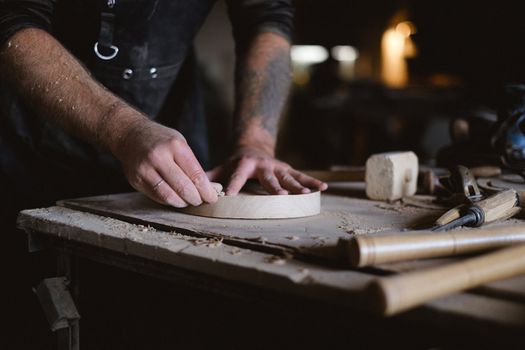
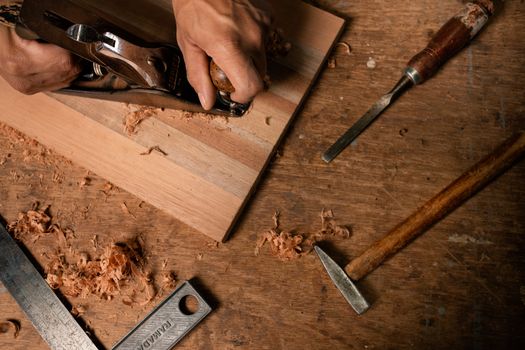
Handcrafted wooden furniture amplifies this effect. The subtle imperfections, the gentle curves shaped by a craftsman, and the visible tool marks all serve as reminders of the human effort involved. Unlike mass-produced furniture, which can feel cold and impersonal, handcrafted pieces invite touch and interaction, creating a sense of intimacy between the user and the object.
.png)
Storytelling Through Craft: Every Piece Has a History
Every handcrafted wooden item has a story woven into its fibers — not just of the wood’s origin, but of the artisan’s journey, intention, and skill. This narrative quality is a key factor in the emotional bond we form with such pieces. When you acquire a hand-carved chest or a custom dining table, you’re not simply buying furniture; you’re inheriting a piece of someone’s artistic legacy.
Consider the popularity of heirloom furniture. Families treasure hand-carved armoires or rocking chairs passed down through generations, not only for their beauty but for the stories they carry. Each scratch, dent, or patina is a chapter in the object’s life, connecting current owners to their ancestors and to a broader human tradition of craftsmanship.
This sense of continuity is hard to replicate with machine-made items, which often lack the unique marks and tales of their handcrafted counterparts. According to a 2022 survey by the American Craft Council, 68% of respondents said they felt a stronger emotional attachment to handmade wooden items due to their perceived history and individuality.
Symbolism and Meaning: Wood as a Cultural Touchstone
Wood holds profound symbolic value across cultures and centuries. It is associated with life, growth, and resilience — all qualities that resonate on a deeply human level. Handcrafted wooden furniture and carvings tap into these associations, often becoming more than mere functional items.
For example, in Scandinavian design, the use of local woods and traditional carving techniques is a way to honor heritage and foster a sense of belonging. In Japan, the art of woodworking (known as “kumiko” or “tsumiki”) is revered not just for its aesthetic precision but for the spiritual qualities it imparts to a home. In many African and Indigenous cultures, wooden carvings serve as vessels for ancestral memory, ritual, and communal identity.
When individuals choose handcrafted wooden pieces for their home, they’re often seeking to bring these symbolic meanings into their everyday lives. This infuses their living spaces with a sense of purpose, grounding, and emotional depth that mass-produced furniture struggles to provide.
Comparison: Handcrafted Wooden Furniture vs. Mass-Produced Furniture
To better understand the emotional connection people feel towards handcrafted wooden furniture, it helps to compare their key attributes with those of mass-produced alternatives. The table below highlights several aspects that influence our attachment to these objects:
| Attribute | Handcrafted Wooden Furniture | Mass-Produced Furniture |
|---|---|---|
| Uniqueness | Each piece is one-of-a-kind, reflecting the maker’s hand and the wood’s natural variations | Standardized designs, often identical across thousands of units |
| Emotional Value | High — imbued with stories, memories, and personal significance | Lower — often seen as utilitarian or disposable |
| Longevity | Often built to last generations, with repairable construction | Generally designed for short-term use; repairs can be difficult or uneconomical |
| Sustainability | Frequently made with locally sourced, sustainable materials and minimal waste | Often relies on mass harvesting, composite materials, and higher carbon footprint |
| Tactile Experience | Warm, textured, and inviting to the touch | May feel cold, smooth, or artificial |
This comparison illustrates why handcrafted wooden furniture resonates more emotionally with consumers. The uniqueness, sense of story, and tactile qualities all contribute to a deeper, more personal connection.
Custom Creation: The Joy of Collaboration and Personalization
Another important aspect of the emotional bond with handcrafted furniture is the opportunity for customization and collaboration. When commissioning a piece, buyers often work directly with artisans to select wood types, shapes, finishes, and even design motifs. This collaborative process enhances the sense of ownership and personal meaning.
For example, a couple might commission a dining table from a local woodworker, choosing walnut for its rich color and adding a carved border that reflects their shared heritage. The resulting piece is not only functional but a tangible representation of their story. According to the 2023 Furniture Industry Report, commissioned furniture sales have grown by 22% over the past five years, indicating a rising desire for such personal connections.
This process stands in contrast to the impersonal experience of shopping for mass-produced items, where choices are limited and the buyer’s role is passive. With handcrafted wooden furniture, individuals become co-creators, investing emotion and intention into the very fabric of the item.
Healing and Mindfulness: The Therapeutic Value of Wood
Modern research has begun to uncover the therapeutic benefits of wooden furniture and carvings. The field of “biophilic design” — integrating natural elements into indoor spaces — is gaining traction as a way to improve mental health and well-being. Studies indicate that natural materials like wood can lower heart rates, reduce anxiety, and foster feelings of relaxation.
Handcrafted wooden pieces, with their organic shapes and natural finishes, amplify this effect. The act of caring for wood — polishing, oiling, or simply running one’s hand along its grain — can be meditative. Many people find that surrounding themselves with such items provides a daily reminder to slow down and appreciate the present moment.
A 2020 survey by the Wood for Good campaign revealed that 81% of respondents felt calmer and more content in rooms furnished with natural wood, compared to those with predominantly artificial materials. This suggests that the emotional connection to handcrafted wooden furniture goes beyond aesthetics, offering real benefits for psychological health.
Preserving Identity: Handcrafted Wood in a Digital Age
In an era dominated by rapid technological change and mass consumption, handcrafted wooden furniture and carvings serve as anchors to our sense of identity and values. Choosing handmade wooden pieces is often a deliberate act of resistance against the throwaway culture — a way to assert individuality, support local artisans, and prioritize quality over quantity.
This return to craftsmanship aligns with a broader cultural movement toward authenticity and sustainability. As people seek to create homes that reflect their uniqueness, handcrafted wooden objects become cherished symbols of who they are and what they value. In this sense, the emotional connection is as much about the future — the kind of world we want to build — as it is about nostalgia for the past.
Lasting Connections: Why We Cherish Handcrafted Wooden Furniture and Carvings
The emotional connection to handcrafted wooden furniture and carvings is complex, multi-layered, and enduring. From the satisfying feel of wood under our fingertips to the personal stories embedded in each piece, these objects enrich our lives in ways that mass-produced goods simply can’t match. They remind us of our roots, our values, and our capacity for creativity and care.
As our world becomes increasingly digital and fast-paced, the presence of something real, tangible, and lovingly made takes on even greater significance. Investing in handcrafted wooden furniture is about more than style or function — it’s about cultivating a deeper sense of belonging, purpose, and joy in our everyday spaces.