How to Properly Combine Handcrafted Furniture with Modern Interiors: A Complete Guide
The fusion of handcrafted furniture with sleek, modern interiors is one of the most exciting trends in contemporary home design. While modern interiors often favor clean lines, neutral palettes, and minimalist layouts, the inclusion of handcrafted pieces introduces warmth, character, and a sense of heritage. But striking the perfect balance between these two styles requires a thoughtful approach. Poor combinations can result in visual dissonance, but when done well, the juxtaposition creates a harmonious, inviting space that feels both current and timeless.
This comprehensive guide will walk you through the key principles, practical steps, and inspiring examples on how to properly combine handcrafted furniture with modern interiors—ensuring your space feels curated, cohesive, and uniquely yours.
The Appeal of Mixing Handcrafted Furniture with Modern Design
Why is this blend so sought after? Modern interiors, defined by simplicity and function, can sometimes appear stark or impersonal. Handcrafted furniture, on the other hand, offers rich textures, organic forms, and artisanal detail. According to a survey by the American Society of Interior Designers, 68% of homeowners believe that unique, handmade pieces add significant value and personality to modern homes.
.png)
Handcrafted pieces often tell a story: whether it’s a reclaimed wood dining table showing the marks of its past life, or a hand-forged metal lamp that reflects the artisan’s individual touch. These objects create meaningful focal points, break up uniformity, and inject soul into modern spaces.
Furthermore, mixing styles is not about simply placing an antique chair in a white room—it’s about thoughtful integration. When done right, the result is a home that feels curated rather than cluttered, intentional rather than accidental.
Principles for Achieving Balance: Harmony over Contrast
The secret to successfully combining handcrafted furniture with modern interiors lies in balance. Here are foundational principles to guide your design decisions:
1. Color Consistency: Choose a color palette that bridges both the handmade and modern elements. For example, if your modern space is dominated by cool grays and whites, select handcrafted pieces in complementary tones or natural woods that echo these shades. 2. Material Echoing: Repeat materials throughout the space. If your handcrafted coffee table is walnut, echo that finish in other accents like picture frames, shelves, or modern lighting fixtures. 3. Proportion and Scale: Modern interiors thrive on proportion. If your handcrafted piece is chunky or intricate, offset it with sleeker, lighter modern furniture. Conversely, a delicate handmade object can be anchored by a substantial modern sofa. 4. Limit Clutter: Showcase, don’t overwhelm. According to research by Houzz, living rooms with fewer than five major furniture pieces are rated as more inviting and functional by 80% of survey participants. Let each handcrafted item shine rather than competing for attention. 5. Purposeful Placement: Place handcrafted pieces where they’ll have the most impact, such as entryways, dining rooms, or as a focal point in an open-plan living area.Practical Ways to Integrate Handcrafted Furniture in Modern Spaces
Blending these two styles can be achieved through several design strategies. Here are some effective approaches:
- Accent Pieces: Start small by introducing a handcrafted side table, stool, or lamp into an otherwise modern room. This creates an immediate focal point without disrupting the room’s overall style. - Statement Furniture: Invest in one or two larger handcrafted pieces—like a dining table or media console—and build the rest of the room with modern, understated furnishings that let the handmade item take center stage. - Mixed Textures: Combine the tactile richness of handcrafted furniture (think rough-hewn wood, hammered metals, or hand-woven textiles) with sleek modern materials like glass, chrome, or lacquered finishes. - Layered Lighting: Use handcrafted pendant lights or ceramic table lamps to add warmth and contrast to modern spaces, which often rely heavily on recessed or linear lighting.For example, a minimalist living room with a low-profile sectional can be instantly warmed up by the addition of a hand-carved coffee table or a textile wall hanging created by a local artisan.
Real-Life Examples: Case Studies in Seamless Style
Let’s look at how designers and homeowners are successfully merging handcrafted furniture with modern interiors:
Case Study 1: The Urban Loft
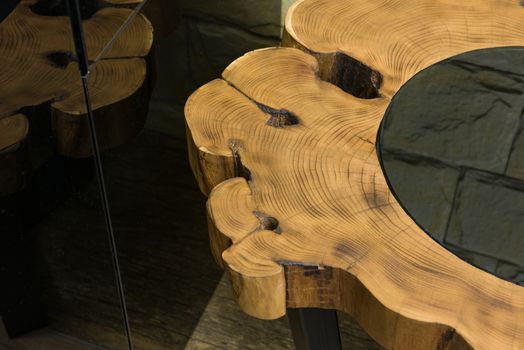
In a Chicago loft, designer Emily Johnson paired a set of mid-century modern chairs with a handcrafted live-edge walnut dining table. The table’s organic shape and visible grain stood in contrast to the clean lines of the chairs, but both pieces shared a similar wood tone, creating visual unity. The result? A dining area that feels both sophisticated and grounded.
Case Study 2: Scandinavian Minimalism Meets Artisan Detail
A Stockholm apartment featured a bright, white modern kitchen with smooth cabinets and minimalist hardware. The owners added a set of hand-thrown ceramic pendant lights and a custom, hand-painted tile backsplash. These handcrafted elements provided a tactile counterpoint to the otherwise sleek surfaces.
Case Study 3: Contemporary Living Room with Vintage Finds
In a San Francisco townhouse, a modern sectional in charcoal gray anchored the living room, while a reclaimed barnwood accent wall and a handcrafted Moroccan rug brought warmth and history. A wireframe coffee table—modern in form but handmade by a local metalworker—bridged the gap between old and new.
Comparing Handcrafted and Modern Furniture: Key Differences and How to Blend Them
Understanding the distinctions between handcrafted and modern furniture can help you identify where and how to integrate each style. Here’s a comparison:
| Feature | Handcrafted Furniture | Modern Furniture | Blending Tip |
|---|---|---|---|
| Materials | Natural, often wood, metal, or textiles | Engineered materials, glass, metals, plastics | Mix organic with industrial for contrast |
| Shapes | Organic, irregular, unique | Clean, geometric, minimalist | Pair flowing forms with straight lines |
| Color Palette | Earthy, natural, sometimes bold | Neutrals, monochrome, pops of color | Use a restrained palette for cohesion |
| Detailing | Visible joinery, hand-finished, unique marks | Minimal detailing, concealed hardware | Highlight craftsmanship as a focal point |
| Functionality | May prioritize artistry over uniformity | Often highly functional, space-saving | Ensure handcrafted pieces serve a clear function |
Color, Texture, and Arrangement: Advanced Styling Tips
Moving beyond the basics, here are advanced strategies to ensure your space feels both curated and cohesive:
- Color Blocking: Use bold, handcrafted pieces as color anchors in a neutral modern room. For instance, a brightly painted hand-carved cabinet can become a statement piece amid monochrome walls and floors. - Texture Play: Layer soft, hand-woven rugs with smooth modern sofas. Incorporate tactile baskets, throws, or cushions made by artisans to add depth to visually flat spaces. - Symmetry vs. Asymmetry: Modern design often leans on symmetry, while handcrafted pieces introduce intentional irregularity. Use this to your advantage by offsetting a perfectly arranged modern sofa with a slightly off-center handcrafted artwork or side table. - Gallery Displays: Arrange collections of small handcrafted objects—such as ceramics or wood carvings—on modern floating shelves for a curated ‘gallery’ effect.A study by the National Association of Home Builders found that 55% of homeowners who incorporated both handcrafted and modern elements reported greater satisfaction with their space’s ambiance, citing a sense of both order and creativity.
Creating an Enduring Home: The Emotional Connection
Beyond aesthetics and trends, integrating handcrafted furniture into modern interiors fosters an emotional connection to your environment. Each artisan-made piece carries a story—whether it’s the hands that shaped it, the materials sourced responsibly, or the cultural techniques employed.
This connection can enhance well-being and a sense of belonging. In fact, a 2022 survey by Furniture Today found that 72% of respondents felt more “at home” in spaces decorated with personal, meaningful items, especially those handmade or collected over time.
By thoughtfully combining handcrafted and modern pieces, you’re not just decorating a space—you’re building a narrative, celebrating craft, and creating a home that reflects your individuality.