The Journey from Timber to Treasure: Handmade Furniture and Carving
The transformation of raw timber into exquisite handmade furniture is a process that marries nature’s gifts with human ingenuity. Each handcrafted piece tells a story — of forests nurtured over decades, skilled hands honoring age-old techniques, and the subtle artistry that turns everyday wood into enduring treasures. In an age of rapid manufacturing and disposable culture, the journey from timber to treasure stands out as a testament to craftsmanship, sustainability, and the enduring human desire for beauty and meaning in our surroundings.
From Forest to Workshop: Selecting and Preparing the Timber
The journey of handmade furniture begins long before the chisel touches wood. It starts in the forest, where careful selection of timber shapes the character and quality of every finished piece. Only about 10% of harvested wood is considered suitable for fine furniture making, according to the American Hardwood Export Council. Craftsmen often seek slow-growing hardwoods like oak, walnut, maple, and cherry for their durability, grain patterns, and color.
Once a suitable tree is selected, responsible harvesting is essential to ensure forest sustainability. The logs are transported to sawmills, where they are cut into planks and left to season. Seasoning — either air-drying or kiln-drying — reduces the wood’s moisture content from over 60% to the optimal 6-8% required for fine furniture. This crucial step prevents future warping and cracking, ensuring that each piece remains stable for generations.
.png)
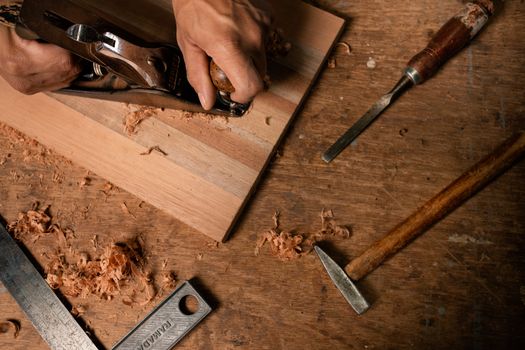
Preparation continues with planing, jointing, and cutting. Craftsmen inspect every plank for unique grain patterns, knots, or imperfections, carefully matching boards to highlight natural beauty. This attention to detail is a hallmark of handmade furniture, distinguishing it from mass-produced alternatives.
The Art and Science of Traditional Wood Joinery
One of the defining features of handmade furniture is the use of traditional joinery techniques. Unlike mass-produced pieces that often rely on metal fasteners or adhesives, skilled artisans use time-honored methods to create strong, seamless joints that can last centuries.
Mortise and tenon, dovetail, and finger joints are among the most revered techniques. For instance, the dovetail joint, recognizable by its interlocking wedges, has been found in furniture dating back to ancient Egypt and remains a benchmark of quality. These methods require precision and patience — a single chest of drawers can feature over 50 individual dovetail joints.
Traditional joinery is not only structurally superior but also aesthetically pleasing. The visible joints become part of the furniture’s design, proudly displaying the maker’s skill. According to a 2022 survey by the Fine Woodworking Guild, over 78% of buyers cited visible joinery as a sign of quality and authenticity in handmade pieces.
Hand Carving: Infusing Personality and Meaning
No other process captures the soul of handmade furniture quite like carving. While the structure provides form and function, carving adds personality — transforming timber into art. Unlike machine-made embellishments, hand carving allows for infinite variation and subtlety.
Carving styles are as diverse as the cultures they emerge from. In India, intricate floral motifs and latticework reflect centuries-old traditions, while Scandinavian furniture often features simple, geometric patterns. Modern artisans might blend influences, creating contemporary pieces with nods to the past.
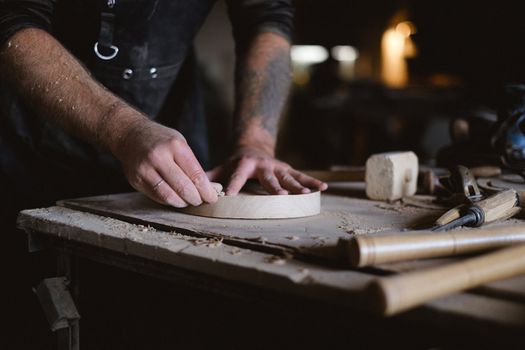
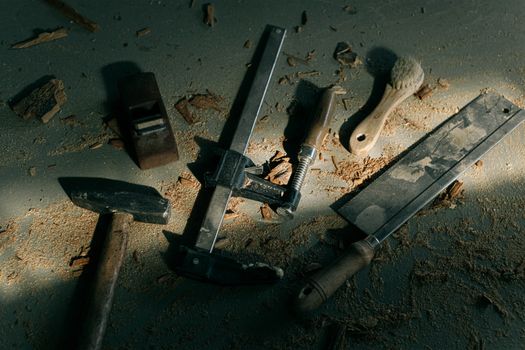
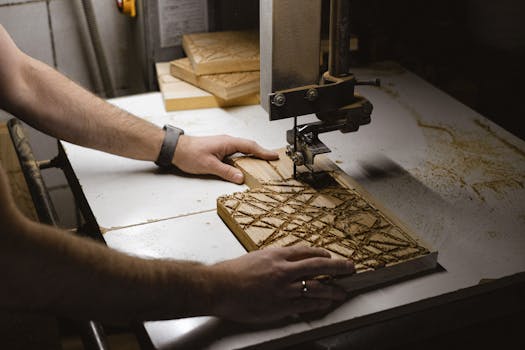
The carving process itself is meticulous. Artisans use chisels, gouges, and knives to shape, detail, and refine motifs. A single detailed panel can require upwards of 40 hours of dedicated labor. According to the UK-based Heritage Crafts Association, fewer than 1,500 professional wood carvers remain active in Europe, making each carved piece increasingly rare and valuable.
Beyond aesthetics, carving often carries symbolic meaning — family crests, local flora, or spiritual motifs. These details turn furniture into heirlooms, connecting generations and preserving stories in wood.
Finishing Touches: Surface Treatments and Preservation
Once construction and carving are complete, finishing transforms raw wood into a polished treasure. Finishing not only enhances beauty but also protects against wear, moisture, and sunlight.
Traditional finishes include natural oils (such as linseed, tung, or walnut oil), shellac, and beeswax. Each brings out the wood’s grain and color in unique ways. For example, Danish oil penetrates deeply, providing both a rich luster and lasting protection. Many artisans still favor hand-rubbed finishes, applying multiple coats and buffing to a soft sheen.
Modern finishes, such as polyurethane or lacquer, offer increased durability but can obscure wood’s natural character. The choice often depends on the piece’s intended use and the maker’s philosophy. In a 2023 survey of custom furniture buyers, 62% preferred traditional finishes for their tactile quality and environmental friendliness.
Finishing can also include subtle distressing, inlays, or staining to achieve a desired aesthetic. The final inspection is rigorous — every surface is checked for smoothness, consistency, and flawlessness before a piece is deemed complete.
Handmade vs. Mass-Produced Furniture: A Data Overview
The journey from timber to treasure is markedly different from the path of mass-produced furniture. Below is a comparison to illustrate key distinctions:
| Aspect | Handmade Furniture | Mass-Produced Furniture |
|---|---|---|
| TImber Selection | Individually selected for grain and quality; often local or sustainably sourced | Bulk-purchased, often lower-grade or engineered wood |
| Joinery | Traditional (dovetail, mortise & tenon), no visible screws | Metal fasteners, glue, or dowels; minimal traditional joinery |
| Carving & Detailing | Hand-carved, unique details; hours of labor per piece | Machine-made motifs, repetitive patterns |
| Finishing | Natural oils, hand-rubbed finishes, eco-friendly | Sprayed synthetic coatings, less attention to tactile quality |
| Lifespan | 50-200+ years; often heirloom pieces | 5-15 years; designed for disposability |
| Price Range | $1,500 - $10,000+ depending on complexity | $150 - $2,000, mass-market affordability |
This comparison highlights why handmade furniture is considered an investment — not just in function, but in artistry, longevity, and sustainability.
The Emotional Value of Handmade Furniture
Beyond the technical and visual differences, handmade furniture holds a unique emotional resonance. Each piece is shaped by a maker’s vision and hands, resulting in a one-of-a-kind creation. Owners often develop personal connections with these objects, appreciating the subtle imperfections, tool marks, and stories embedded in the wood.
Heirloom pieces, for example, are cherished across generations. According to the National Endowment for the Arts, 64% of families who inherit handmade furniture consider it among their most valued possessions, often recalling the memories associated with its maker or place in the home. This emotional value transcends trends and enhances well-being, as homes filled with meaningful objects foster a greater sense of belonging and comfort.
Furthermore, commissioning a custom piece allows buyers to participate in the creative journey — selecting woods, approving designs, and sometimes even visiting the workshop. This collaborative process deepens appreciation and ensures the final piece reflects personal taste and values.
Preserving Craft Traditions in a Modern World
The journey from timber to treasure is not just about furniture — it’s about preserving human heritage. As industrial production dominates the market, traditional woodworking faces the risk of being lost. Yet, there is a growing revival of interest in handmade crafts. In 2023, the US Bureau of Labor Statistics noted a 12% increase in small woodworking businesses, signaling renewed appreciation for artisanal quality.
Craft schools, online communities, and apprenticeship programs play crucial roles in passing on these skills. Makers are also embracing technology, using social media and e-commerce to reach new audiences and share their stories. By valuing handmade furniture, buyers support not only sustainable materials but also the continuation of craft traditions that enrich our cultural landscape.
Final Reflections: From Timber to Timeless Treasure
The journey from timber to treasure reveals the profound transformation that occurs when skilled hands and inspired minds work with nature’s bounty. Handmade furniture and carving are not merely about creating functional objects, but about honoring the materials, techniques, and stories that connect us to our past and future.
Choosing handmade is an investment — in quality, sustainability, artistry, and human connection. As each piece passes from forest to workshop to home, it becomes a living testament to the enduring value of craftsmanship. In a world of fleeting trends, these treasures invite us to slow down, appreciate beauty, and celebrate the timeless journey from timber to treasure.