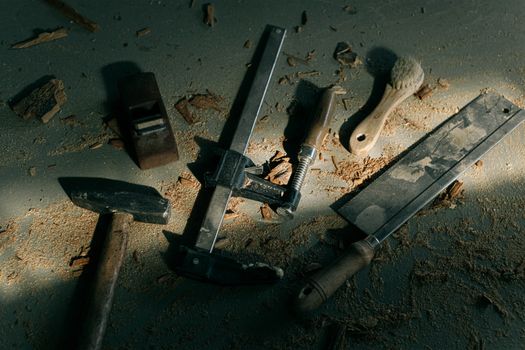
Preserving Heritage: The Art of Handcrafted Furniture and Wood Carving
The world today moves at a lightning-fast pace, with mass-produced goods dominating homes and showrooms. Yet, in the heart of many households, handcrafted furniture and intricate wood carvings continue to tell stories of culture, artistry, and generations-old techniques. The preservation of these crafts is not just about nostalgia—it is a conscious commitment to heritage, identity, and sustainable artistry. This article delves into the enduring significance of handcrafted furniture and wood carving, exploring the social, economic, and cultural factors driving their preservation, and highlighting the unique value these crafts bring to modern living.
The Cultural Tapestry Woven by Handcrafted Furniture
Handcrafted furniture is much more than functional decor; it is a vibrant thread in the tapestry of human culture. Across continents and centuries, woodworkers have passed down their skills through apprenticeships, family workshops, and guilds. In places like Italy’s Brianza region, India’s Saharanpur, and the American Midwest, entire communities have been shaped by the traditions of furniture making and carving.
Each region’s pieces are distinct. For example, the Scandinavian design tradition is celebrated for its minimalist forms and light woods, while Baroque French furniture bursts with ornate carvings and gilded accents. In Japan, the joinery of tansu cabinets reflects the country’s Zen-inspired philosophy of simplicity and utility. These styles are more than aesthetics—they are embodiments of local resources, beliefs, and historical influences.
.png)
Preserving handcrafted furniture means safeguarding these unique stories. When a family heirloom table is restored or a new artisan-crafted chair is commissioned, it sustains a lineage that stretches back centuries. According to the World Crafts Council, more than 300 million people worldwide are involved in craft production, showcasing its persistent relevance.
The Techniques Behind Timeless Wood Carving
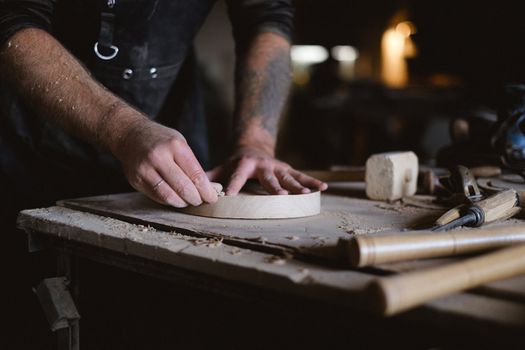
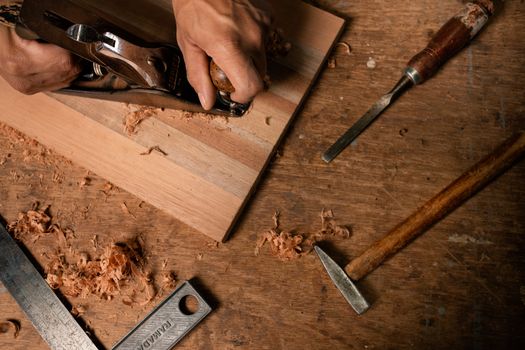
Wood carving is an art that requires years—sometimes decades—of practice. Unlike machine-made products, which often lack individuality, hand-carved furniture bears the unmistakable marks of its maker. Techniques such as chip carving, relief carving, and intaglio are passed from master to apprentice, with each requiring a unique set of tools and creative sensibilities.
For example, chip carving—a method common in Eastern Europe and Scandinavia—uses knives to create geometric patterns. Relief carving, found in traditional Chinese screens and church altars, involves sculpting figures that stand out from the surface. Intaglio, meanwhile, is a process where designs are incised into the wood, creating subtle, tactile motifs.
The time invested in each piece is significant. A single ornate chair back can take more than 50 hours of focused work. The patience and skill involved ensure that no two items are exactly alike, imbuing each with a sense of authenticity and soul.
Handcrafted vs. Mass-Produced: A Comparative Overview
The choice between handcrafted and mass-produced furniture goes beyond price and convenience. It encompasses factors like durability, environmental impact, and long-term value. The following table highlights key differences:
| Aspect | Handcrafted Furniture | Mass-Produced Furniture |
|---|---|---|
| Production Time | Weeks to months per piece | Hours to days per batch |
| Material Quality | Solid hardwoods, sustainably sourced | Engineered woods, veneers, composites |
| Customization | Highly customizable, unique designs | Limited options, standardized shapes |
| Durability | Often lasts 50-100+ years | Average lifespan: 5-15 years |
| Environmental Impact | Lower, due to local sourcing and longevity | Higher, due to mass production and shipping |
| Economic Support | Directly benefits local artisans | Mainly supports large corporations |
A 2022 study by the International Woodworking Fair found that 68% of buyers of handcrafted furniture cited longevity and uniqueness as their primary motivators, compared to only 22% who prioritized price alone.
Economic and Social Benefits of Preserving Traditional Woodcraft
The survival of wood carving and handcrafting traditions is not just a matter of cultural pride—it is an economic imperative for many communities. Large-scale furniture manufacturing often bypasses local job creation in favor of automated processes. In contrast, handcrafted furniture workshops typically employ local artisans and apprentices, fostering skill development and community cohesion.
In 2019, UNESCO estimated that traditional crafts contributed over $526 billion globally to the creative economy. In regions like Oaxaca, Mexico, and Bali, Indonesia, local woodcraft industries support thousands of families and attract cultural tourism. The ripple effect is substantial: every handcrafted piece sold helps sustain a network of wood suppliers, tool makers, finishers, and transporters.
Moreover, these industries often promote gender inclusivity and intergenerational learning. In areas such as southern India, nearly 40% of wood carving artisans are women. By preserving these crafts, communities not only retain their unique identity but also create pathways out of poverty and unemployment.
Sustainability: Handcrafted Furniture as an Eco-Conscious Choice
The environmental footprint of furniture production is substantial. The United Nations Environment Programme reports that the furniture sector accounts for approximately 3% of global deforestation annually. Mass-produced furniture often relies on fast-growing, low-quality woods and synthetic materials, many of which are not biodegradable.
Handcrafted furniture, by contrast, typically emphasizes responsible sourcing. Artisans often use sustainably harvested timbers such as walnut, cherry, or locally reclaimed woods. The extended lifespan of hand-crafted pieces further reduces the need for frequent replacements, diminishing landfill waste.
Some innovative workshops are integrating eco-friendly finishes and natural oils instead of harsh chemicals. In 2023, the Environmental Working Group noted that over 75% of artisan furniture makers in North America have shifted to non-toxic finishing materials. This evolution not only preserves trees but also ensures healthier indoor environments for families.
Modern Adaptations: How Today’s Artisans Keep Traditions Alive
Far from being relics of the past, handcrafted furniture and wood carving are experiencing a renaissance. The rise of digital marketplaces has enabled artisans to reach global audiences without sacrificing their traditional methods. Platforms like Etsy and bespoke furniture boutiques have reported a 40% uptick in demand for custom woodwork since 2020.
Contemporary makers are also blending traditional techniques with modern design sensibilities. For instance, Scandinavian-inspired minimalist tables may be joined with Japanese kumiko lattice work, or classic Victorian motifs may be incorporated into sleek, modular bookcases. This cross-pollination of styles appeals to a new generation of buyers who value both authenticity and innovation.
Workshops and community centers are increasingly offering classes in wood carving, drawing hobbyists and young people into the fold. These educational efforts are vital; without new apprentices, the continuity of these crafts would be at risk. By adapting to today’s tastes and technologies, artisans ensure that the heritage of woodcraft continues to evolve.
The Enduring Value of Handcrafted Furniture and Wood Carving
Preserving the art of handcrafted furniture and wood carving is more than an act of tradition—it is an investment in cultural resilience, environmental stewardship, and economic well-being. As global tastes shift back toward authenticity and sustainability, the demand for artisan-crafted pieces continues to grow. Each hand-sculpted detail, dovetail joint, and polished surface represents a bridge between the past and the future.
By choosing handcrafted furniture, consumers become stewards of heritage, supporting not only the livelihoods of skilled artisans but also the artistic narratives embedded in each creation. In a world of fleeting trends, these pieces endure—cherished today and handed down for generations to come.