The DIY Trend: How to Make Your Own Furniture from Recycled Wood
The world of interior design and home improvement has seen a remarkable shift toward sustainability and creativity in recent years. Among the most exciting developments is the surge in DIY furniture crafted from recycled wood. Driven by a desire to save money, reduce waste, and create truly unique pieces, more and more people are rolling up their sleeves and transforming discarded timber into stunning, functional furniture. This trend is not just about style or eco-friendly living; it’s a movement that empowers individuals to put their personal stamp on their homes while contributing to a circular economy.
Whether you’re a seasoned DIY enthusiast or a curious beginner, learning how to make your own furniture from recycled wood is a rewarding journey. This article will guide you through the essentials—where to find quality reclaimed wood, the tools and skills you’ll need, design inspiration, safety considerations, and a practical comparison of costs and environmental impact. Let’s explore how you can join the DIY recycled furniture revolution.
Why Recycled Wood Is the Star of DIY Furniture
Recycled wood, also known as reclaimed or salvaged wood, is timber that has been previously used in buildings, shipping pallets, barns, or even old furniture. Rather than ending up in a landfill, this wood is given a new purpose in creative hands.
.png)
There are several compelling reasons why recycled wood stands out in the world of DIY furniture:
- $1: According to the Environmental Protection Agency (EPA), over 12 million tons of wood waste end up in landfills every year in the U.S. alone. Using recycled wood helps reduce this figure significantly. - $1: Each piece of reclaimed wood carries its own history, with weathered textures, nail holes, and rich patinas that can’t be replicated with new timber. - $1: Older wood often comes from mature trees, making it denser and sometimes stronger than modern, fast-grown lumber. - $1: While some rare reclaimed wood can be pricey, many sources—like pallets and construction leftovers—are free or low-cost.In 2023, a survey by Statista revealed that 43% of DIYers cited sustainability as a key motivator in their project choices, with recycled wood projects growing by 29% compared to the previous year.
Where to Find Quality Recycled Wood for DIY Projects
The first step to making your own furniture from recycled wood is sourcing the right materials. Unlike walking into a hardware store and pulling fresh boards from a shelf, reclaimed wood requires a bit of hunting and creativity. Here are the top places to look:
- $1: These are treasure troves for beams, flooring, and paneling from old houses, barns, and factories. Salvage yards often allow you to pick and choose pieces with the best character. - $1: Shipping pallets are widely available and often discarded by warehouses, grocery stores, and construction sites. In 2022, the National Wooden Pallet & Container Association estimated that over 849 million pallets are in circulation in the U.S., with many available for reuse. - $1: Websites like Craigslist, Facebook Marketplace, and Freecycle are fantastic for finding people giving away or selling old wood, doors, and furniture at minimal cost. - $1: Check with local contractors or home renovation projects for offcuts, old floorboards, or cabinetry. - $1: If you live near a coast or wooded area, naturally fallen or washed-up wood can provide unique material—just be sure to check local regulations.When collecting recycled wood, always inspect for signs of rot, insect damage, or chemical treatment, especially if the wood will be used indoors.
Essential Tools and Preparation Techniques
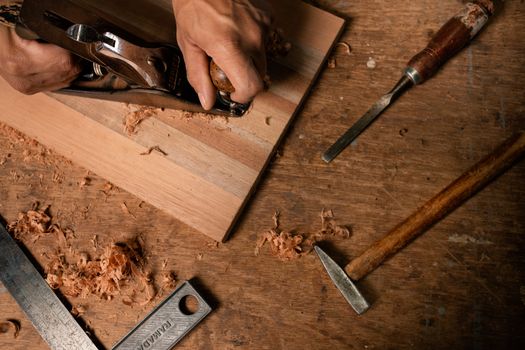
Working with recycled wood differs in several ways from handling new lumber. Old wood may contain nails, screws, or hidden metal fragments, and often requires extra cleaning and prep. Here’s what you’ll need for a safe and successful project:
1. $1: Always wear gloves, safety glasses, and a dust mask. Old paint or finishes may contain lead, especially in wood reclaimed from buildings pre-dating 1978. 2. $1: - Pry bar and hammer for dismantling pallets or removing old nails - Metal detector wand for scanning hidden fasteners - Saw (circular saw, jigsaw, or hand saw) - Power drill and screwdriver - Sander or sanding block (preferably with multiple grits) - Measuring tape, square, and pencil 3. $1: - Clean the wood thoroughly with a stiff brush and mild detergent. - Remove all metal fasteners to avoid damaging your tools. - Allow the wood to dry completely if it’s been stored outdoors. - Sand all surfaces to remove splinters and old finishes, but consider leaving some imperfections for character. 4. $1: Recycled wood can be joined using screws, dowels, biscuits, or even traditional woodworking joints. Wood glue is essential for added stability.According to a 2022 HomeAdvisor report, 67% of DIYers who used reclaimed wood said the prep work was the most time-consuming part of their project—but also the most satisfying when seeing the finished result.
Design Inspiration: Furniture You Can Make from Recycled Wood
The possibilities for DIY furniture with recycled wood are nearly endless. Here are some inspiring ideas, ranging from beginner-friendly to more advanced projects:
- $1: One of the most popular entry-level projects. Use stacked pallets, add caster wheels, and finish with a glass or sanded wood top. - $1: Use cut and sanded planks to create open shelving or rustic storage units. - $1: Salvaged floorboards or beams can be joined to form a sturdy tabletop, supported by simple legs or metal hairpin legs for a modern touch. - $1: Use wide planks from barn wood or old doors to craft unique beds or headboards that become the centerpiece of your bedroom. - $1: Build picnic tables, Adirondack chairs, or planter boxes using weather-resistant reclaimed wood.A 2023 Pinterest Trends Report noted a 65% increase in searches for “DIY pallet furniture ideas” and a 44% rise in “reclaimed wood table” inspiration pins—clear signs that these projects are more popular than ever.
Comparing DIY Recycled Wood Furniture to Store-Bought Alternatives
How does building your own furniture from recycled wood stack up against purchasing new, ready-made pieces? Let’s break it down:
| Factor | DIY Recycled Wood Furniture | Store-Bought Furniture |
|---|---|---|
| Cost (average per piece) | $30–$150 (mainly tools and materials) | $200–$800 |
| Environmental Impact | Low (reuses existing wood, reduces waste) | Moderate to High (new resources, manufacturing emissions) |
| Customization | Fully customizable, one-of-a-kind designs | Limited to available models/styles |
| Skill/Time Required | Medium to High (learning curve and labor) | Low (ready to use) |
| Durability | Often high (older, dense wood) | Varies (depends on materials and brand) |
A study by the Furniture Industry Research Association found that 75% of consumers felt more attached to furniture they built themselves, compared to just 23% for mass-produced pieces.
Safety and Sustainability in DIY Recycled Wood Projects
While making your own furniture from recycled wood is rewarding, it’s essential to consider safety and sustainability at every step.
- $1: Old wood, especially pallets, may have been treated with chemicals (look for the “HT” stamp for heat-treated pallets, which are safer). - $1: Sanding or cutting painted wood from older buildings may release lead dust. Use a lead test kit or consult with a professional if in doubt. - $1: Choose eco-friendly stains, oils, or water-based varnishes to protect your creation without introducing harmful chemicals. - $1: Any offcuts or leftover pieces can be turned into smaller items like picture frames, coat racks, or decorative wall art.In 2021, the Global E-Waste Monitor reported that up to 90% of DIYers reused leftover materials from one project in another, maximizing sustainability and creativity with minimal waste.
Final Thoughts: The Joy and Impact of Creating Furniture from Recycled Wood
Embracing the DIY trend and making your own furniture from recycled wood is more than just a hobby—it’s a statement of creativity, environmental responsibility, and personal expression. Every dent, knot, and grain in reclaimed wood tells a story, and by crafting your own pieces, you become part of that narrative.
The journey from salvaging wood to assembling a finished table or shelf involves learning new skills, overcoming challenges, and experiencing the deep satisfaction of building something with your own hands. You’ll not only save money and reduce waste but also enjoy furniture that reflects your style and values.
Whether you’re transforming a single pallet or resurrecting the beams of a historic barn, DIY furniture from recycled wood offers endless possibilities. So gather your materials, fire up your imagination, and start building—your next family heirloom might be just a project away.