The Luxury of Handmade Wooden Furniture and Carving: A Deep Dive into Artistry, Value, and Experience
Handmade wooden furniture has long been synonymous with luxury, but in an era of mass production and fleeting trends, its allure has only grown stronger. The intricate art of wooden carving, paired with the warmth and sophistication of hand-finished timber, creates pieces that are not only functional but also works of art. These treasures, often passed down through generations, transcend mere utility to become statements of personal taste, heritage, and refined living.
What makes handmade wooden furniture and carving so luxurious isn’t just the price tag or exclusivity. It’s the marriage of artistry, individual craftsmanship, and natural materials that delivers a sensory and emotional experience unmatched by factory-made alternatives. Let’s explore the unique aspects that elevate handmade wooden furniture into the realm of true luxury, the factors contributing to its value, and why it remains the gold standard for discerning homeowners and collectors worldwide.
.png)
The Artistry Behind Handmade Wooden Furniture
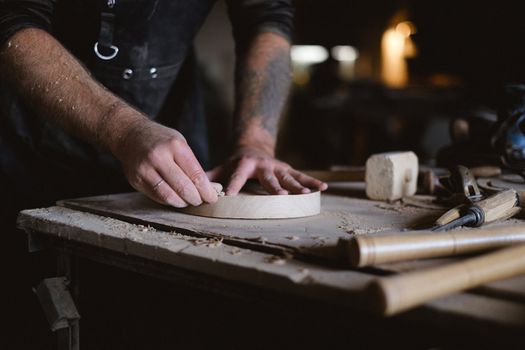
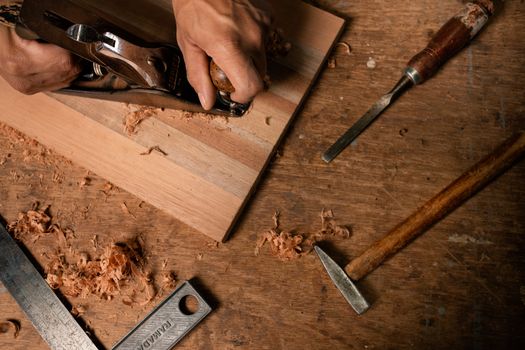
At the heart of every piece of luxury wooden furniture is the artisan’s touch. Unlike machine-manufactured products, handmade furniture involves a meticulous process where skilled craftsmen transform raw wood into beautiful, functional art. This process can take weeks or even months, depending on the complexity of the design and the level of carving involved.
Master woodworkers often spend years perfecting their craft, learning traditional joinery techniques, and understanding the unique properties of various wood species. For example, fine European oak, American walnut, and Indian rosewood are prized for their grain patterns and durability. Each wood brings distinct characteristics to the finished piece, influencing not just appearance but also texture and longevity.
Carving adds an extra dimension of luxury. Intricate motifs—be they floral, geometric, or inspired by historical styles like Rococo or Art Nouveau—showcase the artisan’s creativity and technical skill. A hand-carved headboard or armoire, for instance, can feature over 100 hours of labor, with every chisel stroke reflecting the maker’s vision and patience.
The Value Proposition: Why Handmade Woodwork Commands a Premium
The luxury of handmade wooden furniture and carving is reflected in its price, but it’s important to understand what buyers are truly paying for. Several factors contribute to the premium:
1. Labor-Intensive Craftsmanship: Unlike factory furniture, handmade items are not produced in bulk. Artisans may spend 50 to 300 hours on a single piece, ensuring every joint, inlay, and carving is perfect. 2. Material Quality: High-end makers select only the finest, sustainably sourced hardwoods. For example, a single slab of premium walnut or teak can cost $3,000 or more, and exotic woods like Macassar ebony are even pricier. 3. Customization: Each piece can be tailored to the client’s specifications, whether it’s size, finish, or a bespoke design element. 4. Longevity and Heirloom Value: Handmade wooden furniture can last centuries with proper care. Antique hand-carved pieces from the 18th and 19th centuries routinely fetch five- or six-figure sums at auction.Let’s compare the key differences between handmade luxury furniture and mass-produced alternatives:
| Feature | Handmade Luxury Furniture | Mass-Produced Furniture |
|---|---|---|
| Craftsmanship | Artisan, labor-intensive, unique details | Automated, uniform, minimal handwork |
| Materials | Premium solid wood, often exotic or rare | Engineered wood, veneers, lower-grade lumber |
| Customization | Fully customizable, bespoke options available | Limited customization, standard sizes and finishes |
| Durability | Lifetime to centuries with proper care | 5–15 years on average |
| Value Retention | High; can appreciate with age | Loses value quickly |
| Environmental Impact | Often sustainable, less waste, longer lifespan | Higher waste, disposable culture |
| Average Price (Dining Table) | $5,000–$25,000+ | $300–$2,000 |
The Sensory Experience of Luxury Woodwork
One of the most overlooked aspects of handmade wooden furniture is the sensory journey it provides. The experience begins with touch: the smoothness of hand-sanded wood, the subtle variations in grain, and the delicate ridges of carved motifs invite fingers to linger. The scent of natural wood—whether the spicy aroma of cedar or the rich fragrance of mahogany—adds another layer of luxury, often absent in mass-produced pieces finished with synthetic coatings.
Visual appeal is equally important. Hand-applied finishes, such as French polish or natural oils, enhance the wood’s natural beauty and depth. The play of light on a finely carved surface can change throughout the day, bringing the piece to life in different ways as the sun moves.
Acoustics, too, play a role. Real wood absorbs and diffuses sound differently from engineered alternatives. A solid oak cabinet doors closing with a gentle thud contrasts sharply with the hollow clack of MDF. For many, these subtle details elevate daily living and contribute to a sense of well-being at home.
Handmade Carving: Tradition Meets Modern Luxury
Wood carving is an ancient craft, with roots stretching back thousands of years to ancient Egypt, China, and India. Today, contemporary artisans blend time-honored techniques with modern aesthetics to create pieces that are both timeless and on-trend.
For example, a modern luxury home might feature a minimalist walnut dining table with a single, dramatic hand-carved element—a nod to tradition without overwhelming the space. Some artisans specialize in recreating historical styles, such as Baroque or Chippendale, while others take inspiration from nature, creating organic forms that mimic leaves, waves, or animal figures.
In 2023, the global market for luxury handmade furniture was estimated at $27 billion, according to Statista. Demand is particularly strong in North America, Europe, and parts of Asia, where discerning buyers seek out unique, investment-grade pieces rather than “fast furniture.”
Artisans are also embracing technology to enhance, not replace, their work. Computer-aided design (CAD) allows for precise planning, while hand tools are still used for the final carving and finishing. This fusion of old and new ensures that each piece can be both structurally sound and artistically expressive.
Sustainability and Ethical Luxury in Wood Furniture
Today’s luxury isn’t just about opulence—it’s also about responsibility. Many makers of handmade wooden furniture are committed to sustainable sourcing and ethical practices. This includes using FSC-certified woods, supporting reforestation initiatives, and minimizing waste by repurposing offcuts.
The environmental impact of handmade furniture is often far lower than mass-produced equivalents. For example, a single handmade piece can last five times longer than a flat-pack item, reducing landfill waste and the need for replacements. Some workshops even use traditional, non-toxic finishes—like beeswax or tung oil—eliminating harmful chemicals from the production process.
By investing in handmade wooden furniture, consumers play a role in supporting small-scale artisans, preserving traditional skills, and promoting a more sustainable future. As luxury buyers become more values-driven, these ethical considerations are increasingly seen as essential components of true luxury.
Personalization and Bespoke Experiences: The Ultimate Indulgence
Perhaps the greatest luxury of all is personalization. While mass-produced furniture offers limited choices, handmade pieces can be fully tailored to the buyer’s preferences. This includes not only dimensions and wood species, but also the style of carving, type of joinery, and even hidden features—such as secret drawers or personalized inscriptions.
For instance, a family might commission a dining table featuring a hand-carved border that tells their story, or a bed frame with symbols meaningful to their heritage. The collaborative process between client and artisan creates a sense of ownership and connection that simply can’t be replicated by off-the-shelf items.
Some luxury workshops offer immersive experiences, inviting clients to visit the studio, select their wood, and watch as their piece is crafted. This journey—from raw timber to finished masterpiece—becomes a story in itself, adding to the value and significance of the furniture.
Refined Living: The Enduring Appeal of Handmade Wooden Furniture
In a world where technology and convenience often overshadow quality, the luxury of handmade wooden furniture and carving stands as a testament to the enduring value of artistry, tradition, and personal connection. Each piece is an investment—in beauty, sustainability, and legacy. Whether displayed as a statement centerpiece or used in daily life, these creations enrich homes and lives in ways that no mass-produced item ever could.
For those seeking to elevate their living spaces, handmade woodwork offers not just functionality, but an ongoing experience of artistry, comfort, and meaning. It’s a luxury that transcends trends, bringing the best of nature and human creativity into harmony.