The Art of Crafting Handmade Furniture and Wood Sculptures: Techniques, Trends, and Timeless Appeal
Handmade furniture and wood sculptures possess a magic that mass-produced items simply cannot replicate. Every grain, curve, and joint tells a story — a narrative of skill, patience, and artistry passed down through generations or innovated in a modern studio. As global demand for unique, sustainable, and meaningful home décor rises, the art of crafting handmade furniture and wood sculptures is experiencing a renaissance. This article explores the fascinating world of handcrafting wood: from time-honored techniques and material selection to contemporary trends and the emotional impact of truly bespoke pieces.
The Heart of the Craft: Techniques Behind Handmade Woodwork
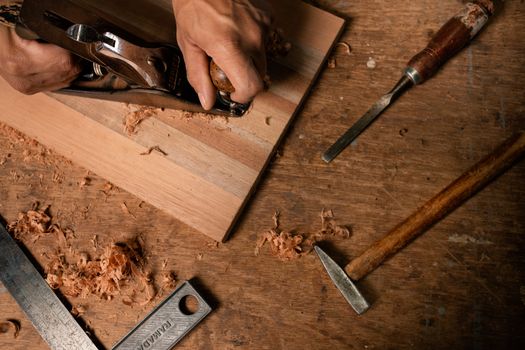
The process of creating handmade furniture and wood sculptures is a dance between tradition and innovation. Unlike factory production lines, artisans use a combination of classic joinery, carving, and finishing techniques that require years to master.
.png)
One foundational method is mortise-and-tenon joinery, used for thousands of years. In this method, a protruding tenon fits precisely into a mortise hole, creating a strong bond without the need for nails or screws. Dovetail joints, recognized by their interlocking fan-shaped cuts, are another staple, especially in drawer construction for their durability and resistance to pulling apart.
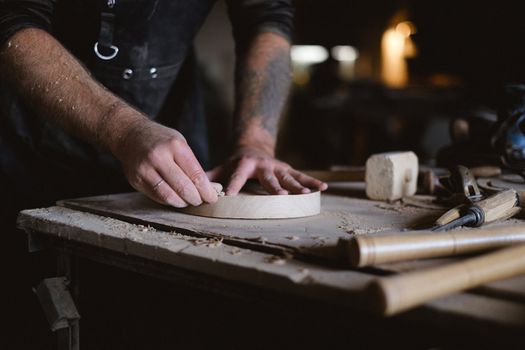
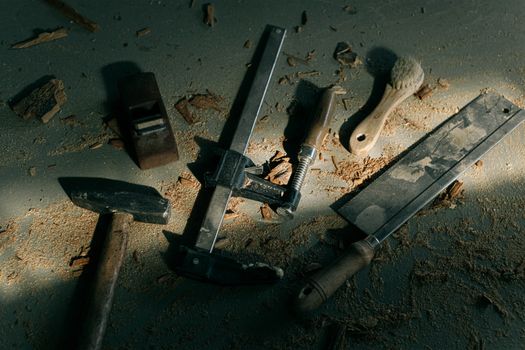
For wood sculptures, the journey often begins with roughing out the basic shape using chisels or gouges. Artists then employ finer tools — rifflers, rasps, and knives — for intricate details and finishing. Power tools, like rotary carvers or sanders, may complement hand tools but never replace the tactile feedback an artisan gets from working with their hands.
According to the American Craft Council, over 65% of master woodworkers still rely primarily on hand tools for critical steps, believing this direct connection with the material enhances both quality and artistry.
Selecting the Perfect Wood: Material Matters
The choice of wood is crucial — it determines not just the appearance but also the longevity and character of the final piece. Each species has unique properties, influencing workability, strength, and aesthetic appeal.
For instance, walnut is prized for its rich, chocolate hues and fine grain, making it a favorite for both furniture and sculptures. Oak, with its visible grain and robustness, is synonymous with enduring traditional pieces. Maple offers a lighter color palette and smooth finish, perfect for modern minimalist designs.
Sustainability is an increasing concern. A 2023 report by the Forest Stewardship Council stated that demand for FSC-certified woods grew by 28% in the last five years, reflecting a consumer shift toward eco-conscious products. Many artisans now source reclaimed wood, celebrating its imperfections and history — a beam from an old barn might become the centerpiece of a new dining table, its nail holes and patina speaking volumes.
Here is a comparative overview of popular woods used in handmade furniture and sculpture:
| Wood Species | Color & Grain | Durability | Common Uses | Sustainability |
|---|---|---|---|---|
| Walnut | Dark brown, straight/fine grain | High | Luxury furniture, carving | Moderate (regional availability) |
| Oak | Light to medium brown, pronounced grain | Very high | Tables, cabinetry, chairs | High (FSC options common) |
| Maple | Pale cream, subtle grain | Moderate to high | Modern furniture, kitchenware | High |
| Cherry | Reddish-brown, smooth grain | High | Fine furniture, sculpture | Moderate |
| Reclaimed Wood | Varies, often weathered | Variable | Rustic furniture, art | Very high |
From Workshop to Home: The Journey of a Handmade Piece
The creation of a handmade furniture piece or wood sculpture is an intimate, often weeks-long process. It typically begins with conceptual sketches or clay models, followed by careful wood selection. Artisans may spend hours evaluating boards for unique grain patterns or color consistency.
Once the design is finalized, the actual crafting takes place — cutting, joining, carving, and assembling. Attention to detail is paramount; even a millimeter’s difference in a joint can affect the overall stability and appearance. Sanding and finishing are equally critical. Natural oils or waxes are preferred over synthetic finishes, allowing the wood to breathe and age gracefully.
One notable example is the annual Philadelphia Furniture Show, where over 100 artisans exhibit bespoke pieces. In 2023, a hand-carved walnut sideboard took home top honors, with judges praising its seamless joinery and tactile surface, achieved through 100 hours of hand sanding and oil finishing.
The final stage is delivery and installation. Many artisans personally oversee this, ensuring the piece fits perfectly in its new environment and offering aftercare advice to maintain its beauty for generations.
Modern Trends: Blending Old-World Skills with New Aesthetics
While the heart of handmade woodwork remains rooted in tradition, contemporary artisans are increasingly blending classical techniques with modern design sensibilities. Minimalism, with its clean lines and emphasis on function, is a dominant trend, as is the fusion of wood with materials like metal, glass, or stone.
Digital technology also plays a role. Computer-aided design (CAD) allows for precise modeling, helping artisans visualize complex forms before ever touching a tool. However, the actual making is still hands-on, with machines used only to augment, not replace, craftsmanship.
Environmental consciousness has shaped both materials and finishes. Water-based stains, natural oils, and upcycled hardware are now standard in many workshops. The result is a piece that not only looks beautiful but aligns with the owner’s values.
Bespoke commissions are on the rise. According to Statista, the global custom furniture market was valued at $28 billion in 2022 and is projected to grow 6.5% annually through 2028. Homeowners increasingly seek one-of-a-kind items that reflect their personal taste and lifestyle — a far cry from the uniformity of mass production.
The Emotional Impact: Why Handmade Furniture and Sculptures Endure
Beyond aesthetics and function, handmade furniture and wood sculptures evoke emotion. Each piece is imbued with the artisan’s intention, the slow rhythm of hand tools, and the unique quirks of natural wood. Owners often describe a deep connection to these objects, which become family heirlooms, conversation starters, or sources of daily inspiration.
The Japanese philosophy of wabi-sabi — finding beauty in imperfection and transience — is frequently cited by woodworkers. A knot, a subtle warp, or a color shift is not a flaw but a testament to the material’s organic origin. Over time, the piece acquires a patina, deepening the sense of history and belonging.
Numerous studies support the idea that handcrafted surroundings enhance well-being. A 2021 survey conducted by the Craft Council UK found that 78% of respondents felt more “at home” and relaxed in spaces decorated with handmade elements, compared to those furnished with mass-produced items.
Preserving Craftsmanship for Future Generations
As technology advances and consumer habits evolve, the future of handmade furniture and wood sculpture depends on education, mentorship, and appreciation. Many master artisans now teach workshops or apprenticeships, ensuring traditional skills are passed on. Organizations like the Furniture Society and the International Sculpture Center offer grants, residencies, and exhibitions to promote the craft.
Moreover, digital platforms and social media have enabled a new generation of woodworkers to share their process, reach global audiences, and connect with clients who value authenticity. Instagram hashtags such as #handmadefurniture and #woodsculpture now showcase hundreds of thousands of creations, inspiring both amateurs and professionals.
Investing in a handmade piece is, in many ways, a vote for sustainability, tradition, and individuality. It’s a partnership between maker and owner, rooted in respect for materials and the human touch.