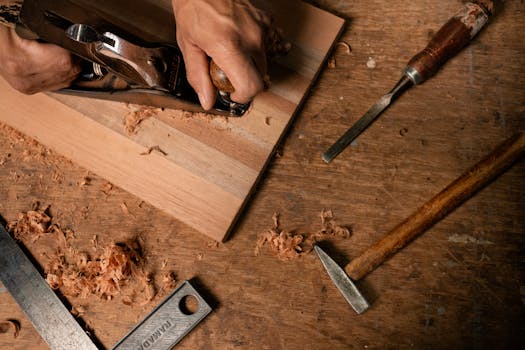
Handmade furniture stands as a testament to human ingenuity, creativity, and a relentless pursuit of perfection. While mass-produced pieces dominate the market with their affordability and uniformity, it is the intricate details of handmade furniture that truly captivate connoisseurs and everyday homeowners alike. Each piece tells a story of craftsmanship, personality, and tradition. This article explores the subtle nuances, hidden complexities, and unique characteristics that distinguish handmade furniture from anything churned out by machines.
The Human Touch: Imperfections as Signatures
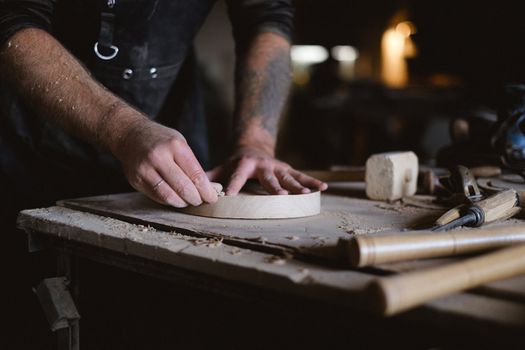
One of the most compelling aspects of handmade furniture is the presence of the maker’s touch. Unlike mass-produced items, where machines ensure every corner and edge is identical, handmade pieces bear the subtle imprints of their creators. These can include slight variations in carvings, delicate tool marks, and gentle undulations in the finish.
For instance, a 2023 survey by the American Craft Council found that 87% of buyers of handmade furniture reported noticing small irregularities that enriched the character of their pieces. These imperfections are not flaws but rather signatures—unique identifiers that authenticate the item’s handmade origin. In many cultures, artisans intentionally leave such marks as a celebration of the human element involved.
.png)
Moreover, these nuances ensure that no two pieces are ever truly alike, even if crafted by the same artisan following the same design. A dovetail joint on one drawer may have a slightly different angle than its neighbor, or a hand-carved motif might reveal a variance in depth. Such details are subtle reminders of the time, care, and skill invested in each creation.
Material Selection: The Art of Choosing Wood
Handmade furniture makers are meticulous about their materials, often choosing wood based on grain patterns, color variations, and structural integrity. Unlike factories that may use engineered wood or lower-grade lumber to cut costs, artisans frequently select premium hardwoods such as walnut, cherry, or oak.
According to the National Hardwood Lumber Association, over 60% of handmade furniture in the United States is crafted from solid hardwood, compared to just 23% for mass-produced items. The choice of wood affects not only the look and feel of the furniture but also its longevity and resilience.
Artisans often let the natural characteristics of the wood guide their design. A knot or swirl in the grain might become a focal point rather than a blemish, and color differences between boards can be highlighted rather than hidden. This respect for the material’s innate beauty results in furniture that feels organic and alive, with every inch telling a part of its story.
Joinery: The Backbone of Lasting Quality
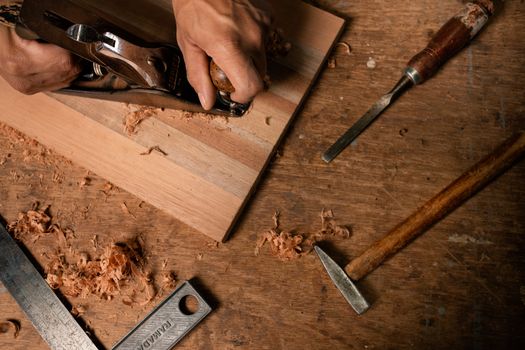
The construction techniques employed in handmade furniture are often what set it apart from factory-made counterparts. Traditional joinery methods—such as mortise and tenon, dovetail, and finger joints—are labor-intensive but provide unparalleled strength and durability.
Consider the dovetail joint, frequently found in handmade drawers. Its interlocking design provides a mechanical advantage that resists pulling apart, making it ideal for pieces that will endure years of daily use. A study by Furniture Today revealed that handmade dovetail joints can withstand up to 200 pounds of force, compared to just 90 pounds for stapled or screwed joints commonly found in mass-produced furniture.
These joints are not only functional but also decorative. Many artisans leave them exposed as a celebration of their skill. The precision required to execute such techniques speaks to years of training and a keen eye for detail.
Personalization and Custom Features
Perhaps the most alluring aspect of handmade furniture is the opportunity for personalization. Artisans frequently collaborate with clients to incorporate custom features, from built-in compartments to bespoke dimensions and finishes. This process transforms each piece into a reflection of its owner’s tastes, needs, and lifestyle.
For example, a client might request a dining table with a specific inlay pattern using different species of wood, or a bookshelf with hidden drawers for valuables. In 2022, a survey by the Custom Furniture Guild indicated that nearly 70% of handmade furniture orders included at least one personalized feature.
Personalization can also include the application of unique stains, oils, or waxes. Some artisans use traditional finishing techniques—such as French polishing or hand-rubbed oils—that require hours or even days to complete. The result is a tactile surface that not only looks exquisite but also feels inviting to the touch.
Comparison Table: Handmade vs. Mass-Produced Furniture
| Aspect | Handmade Furniture | Mass-Produced Furniture |
|---|---|---|
| Material Quality | Premium hardwoods, carefully selected | Engineered wood, veneers, lower-grade lumber |
| Joinery | Traditional (dovetail, mortise & tenon, etc.) | Mechanical fasteners (staples, screws, glue) |
| Uniqueness | Each piece is one-of-a-kind | Identical, uniform pieces |
| Personalization | Highly customizable | Limited options |
| Longevity | Often lasts generations | Typically lasts 5-10 years |
| Production Time | Weeks to months | Hours to days |
Decorative Techniques: Carving, Inlay, and Beyond
Handmade furniture is a canvas for artistry, frequently featuring decorative techniques that elevate it from functional object to work of art. Wood carving, marquetry, inlay, and pyrography are just a few of the methods artisans use to embellish their creations.
Carving, for example, can range from simple grooves along a table’s edge to elaborate reliefs depicting nature, mythology, or geometric patterns. Inlay work—where contrasting materials such as mother of pearl, brass, or exotic woods are set into the surface—adds depth and visual interest. According to a 2021 report by the International Association of Woodworkers, over 40% of handmade furniture pieces feature at least one decorative technique.
Even finishes can be decorative. Hand-applied stains or painted motifs, particularly in folk or regional styles, contribute to a piece’s individuality. These methods require patience, a steady hand, and often years of practice to master.
The Story and Soul Embedded in Every Piece
Beyond tangible features, handmade furniture carries an intangible quality: its story. Each piece is the result of countless decisions—some planned, others spontaneous—made by the artisan as they work. These might include changes in design to accommodate the unique features of the wood, or creative solutions to unexpected challenges.
Many artisans document their process, sharing photos or journals with clients to provide insight into the creation of their piece. Some even sign or date their work, transforming it into a future heirloom. According to Home Design Trends, 55% of buyers of handmade furniture said the backstory and connection to the maker were major factors in their purchase decision.
Owning handmade furniture is not just about utility; it is about preserving a connection to artistry, heritage, and the hands that brought it to life.
Conclusion
The intricate details of handmade furniture—visible and invisible—are what make every piece truly unique. From the subtle marks left by the maker’s tools to the careful selection of materials, from masterful joinery to personalized touches, each element contributes to a final product that is as individual as its owner. While mass-produced furniture can fill a room, only handmade pieces can transform a space with their character, history, and soul. In a world that often values speed and uniformity, the decision to invest in handmade furniture is a celebration of craftsmanship, individuality, and enduring beauty.