Furniture from Recycled Materials: What are the Advantages and Disadvantages?
The modern world is facing an ever-increasing demand for sustainability, and the furniture industry is no exception. As more consumers seek eco-friendly options, furniture made from recycled materials has surged in popularity. But what exactly does this mean for homeowners, businesses, and the environment? This article explores the advantages and disadvantages of choosing furniture crafted from recycled materials, providing a balanced look at the benefits and challenges associated with these innovative products.
The Rise of Furniture from Recycled Materials
In recent years, the furniture market has witnessed a significant shift toward sustainability. According to a 2023 report by Statista, nearly 35% of consumers in North America and Europe expressed a preference for eco-friendly furniture. As a result, manufacturers have begun to experiment with various recycled materials, including reclaimed wood, recycled plastics, metal scraps, and even repurposed textiles.
These materials are sourced from waste streams such as construction debris, discarded consumer goods, and industrial by-products. For instance, recycled wood often comes from old barns, demolished buildings, or shipping pallets, while recycled plastics are salvaged from bottles, packaging, and ocean waste. This trend not only diverts waste from landfills but also presents new design opportunities for creative furniture makers.
.png)
Advantages of Furniture Made from Recycled Materials
There are several compelling benefits to choosing recycled-material furniture, both for individuals and for society at large.
Environmental Impact Reduction
One of the most significant advantages is the positive effect on the environment. By reusing existing materials, manufacturers decrease the demand for virgin resources. For example, producing furniture from recycled aluminum uses 95% less energy compared to making it from raw materials, according to the Aluminum Association. Recycled wood furniture helps preserve forests and reduces carbon emissions associated with logging and transportation.
Waste Diversion and Circular Economy
Furniture made from recycled materials plays a crucial role in the circular economy. In 2022, the EPA reported that recycling and composting efforts in the United States alone diverted over 94 million tons of waste from landfills. When furniture is built using recycled components, it gives a second life to materials that might otherwise contribute to landfill overflow or environmental pollution.
Unique Aesthetic and Character
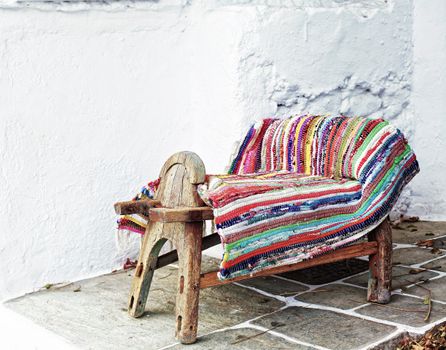
Recycled-material furniture often features a distinctive look, with variations in texture, color, and finish that can’t be replicated with new materials. For example, reclaimed wood may display unique knots, grain patterns, or even remnants of old paint, lending each piece a one-of-a-kind story. This appeals to consumers seeking furniture with character and history.
Cost Savings in Some Cases
Depending on the material and manufacturing process, recycled furniture can sometimes be less expensive than pieces made from new, high-quality materials. For instance, recycled plastic furniture, especially when produced in bulk, may offer cost savings of up to 20% compared to virgin plastic equivalents.
Disadvantages and Challenges of Recycled Furniture
Despite its benefits, furniture made from recycled materials is not without its drawbacks. It’s important to weigh these challenges before making a purchase decision.
Potential Durability Issues
Not all recycled materials are created equal. Some may have undergone physical or chemical changes during their previous lifecycle that can affect their strength and longevity. For example, some types of recycled plastics can become brittle over time, and reclaimed wood may harbor hidden defects such as rot or insect damage. This can limit the lifespan of certain recycled-material furniture pieces.
Inconsistent Quality and Appearance
While the uniqueness of recycled furniture can be a selling point, it also introduces unpredictability. Variations in color, grain, or texture may not be suitable for every setting, especially if you’re seeking a uniform look across multiple pieces. Additionally, inconsistencies in material quality can lead to manufacturing challenges and may require more skilled craftsmanship, potentially increasing the price.
Limited Availability and Higher Upfront Costs
Despite the growing demand, high-quality recycled materials are sometimes harder to source in large quantities. This can make certain types of recycled furniture more expensive or difficult to find. For example, reclaimed hardwood from historic buildings is highly sought after, and its rarity can drive up prices. According to a 2022 survey by the Sustainable Furnishings Council, 27% of consumers cited limited availability as a key barrier to purchasing recycled furniture.
Maintenance and Care Requirements
Recycled materials, particularly wood and metal, may require specialized care. Reclaimed wood furniture, for instance, often needs regular sealing or oiling to maintain its structural integrity and appearance. Some recycled plastics can fade or degrade if exposed to UV light or harsh weather, limiting their use for outdoor furniture.
Popular Types of Recycled Materials Used in Furniture
Manufacturers utilize a variety of recycled materials to create sustainable furniture. Here are some of the most common:
Reclaimed Wood
Sourced from old buildings, barns, and shipping pallets, reclaimed wood is valued for its durability and unique appearance. It’s commonly used for tables, chairs, shelving, and decorative accents.
Recycled Plastics
Plastics are collected from post-consumer waste (like bottles and packaging) and industrial sources, then processed into boards, panels, or woven fibers. This material is particularly popular for outdoor furniture, such as benches and patio sets.
Recycled Metals
Aluminum, steel, and iron can be endlessly recycled without losing quality. Recycled metals are used in frames, legs, and hardware for a wide variety of furniture pieces.
Upcycled Textiles
Old clothing, industrial offcuts, or even discarded sails can be transformed into upholstery, cushions, and decorative elements, reducing textile waste and offering creative design options.
Glass and Composites
Recycled glass is sometimes incorporated into tabletops, countertops, or decorative inlays, while composites made from a blend of recycled fibers and resins provide strength and versatility.
Environmental and Economic Comparison: Recycled vs. Virgin Materials
How do recycled materials stack up against their virgin counterparts in terms of energy use, emissions, and cost? The table below offers a snapshot of key differences.
| Material | Energy Use (vs. Virgin) | CO2 Emissions | Average Cost Difference |
|---|---|---|---|
| Recycled Aluminum | 95% less | 90% reduction | 10–15% lower |
| Recycled Wood | 60% less | 50% reduction | 10–20% higher (due to processing) |
| Recycled Plastic | 70% less | 60% reduction | Up to 20% lower |
| Virgin Material | Baseline | Baseline | Standard market price |
This overview highlights the significant environmental benefits of recycled materials, though cost advantages can vary depending on processing and availability.
Who Should Consider Furniture from Recycled Materials?
Furniture made from recycled materials isn’t just for eco-enthusiasts. It can appeal to a wide range of consumers and organizations:
- Homeowners seeking unique, character-filled pieces that tell a story. - Businesses and offices looking to bolster their sustainability credentials. - Educational institutions and public spaces aiming to set an example for environmental stewardship. - Designers and architects interested in innovative, customizable materials.However, it’s important to assess your own needs and expectations. If you require highly uniform products for a large commercial project, recycled materials may pose sourcing and consistency challenges. On the other hand, if personalization and sustainability are top priorities, recycled furniture offers compelling advantages.
How to Choose High-Quality Recycled Furniture
If you’re considering adding recycled-material furniture to your space, keep these tips in mind:
- Ask about material sourcing: Reputable manufacturers can provide details about the origin and processing of their recycled materials. - Inspect build quality: Look for signs of robust construction, such as reinforced joints and smooth finishes, especially in reclaimed wood pieces. - Consider warranties and certifications: Some recycled furniture products come with warranties or third-party certifications (like FSC or Cradle to Cradle) that attest to their environmental credentials. - Evaluate maintenance needs: Be prepared to follow care instructions specific to the material, whether it’s oiling reclaimed wood or protecting recycled plastic from harsh weather.Balancing Sustainability, Style, and Practicality with Recycled Furniture
Furniture made from recycled materials offers a powerful way to support sustainability goals, reduce waste, and introduce unique style elements into your home or workspace. While there are challenges to consider—such as durability concerns, potential cost premiums, and maintenance requirements—the environmental and aesthetic benefits often outweigh the drawbacks for many consumers.
As technology and supply chains continue to improve, expect recycled-material furniture to become even more accessible and versatile. For those willing to invest the time to source high-quality pieces and care for them properly, recycled furniture is an excellent choice that combines ethics, creativity, and practicality.