Handcrafted furniture stands as a testament to creativity, skill, and tradition. Yet, beneath its surface beauty lies a deeper narrative—one that revolves around the ethical considerations of material sourcing, utilization, and respect for both nature and the artisans themselves. As consumer consciousness grows, understanding the ethics of handcrafted furniture becomes ever more crucial. This article explores why respecting materials is foundational to ethical craft, how it shapes the industry, and what it truly means for buyers, makers, and the environment.
The Foundation of Ethical Handcrafted Furniture
Ethics in handcrafted furniture goes far beyond the end product. At its heart is a profound respect for the materials—often wood, but also metal, textiles, and more—that shape every piece. Ethical craft considers not just what is made, but how and from what it is made.
One of the primary ethical concerns is the source of raw materials. According to the World Wildlife Fund, illegal logging accounts for up to 30% of global timber trade, contributing to deforestation, loss of biodiversity, and harm to indigenous communities. Ethical artisans intentionally avoid such sources, opting instead for certified woods, reclaimed materials, or responsibly managed forests. The Forest Stewardship Council (FSC) reports that as of 2023, over 220 million hectares of forest worldwide are certified, offering alternatives for responsible sourcing.
.png)
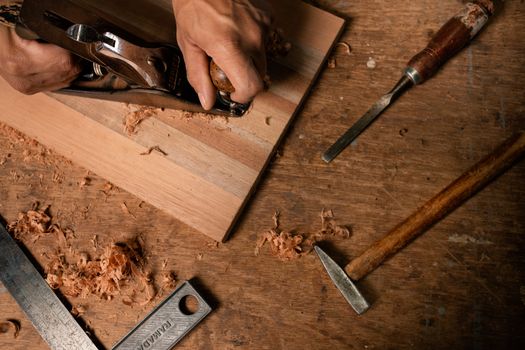
Furthermore, the process of handcrafting furniture inherently values the raw material. Unlike mass production, which often prioritizes quantity over quality and can result in significant waste, handcrafted methods are designed to maximize use and minimize discard. This philosophy is summed up by the Japanese concept of “mottainai” – a sense of regret over waste.
Material Sourcing: Transparency and Responsibility
Sourcing materials ethically is the first and perhaps most crucial step in the journey of handcrafted furniture. The impact of this decision is felt throughout the lifecycle of each piece, influencing its environmental footprint, social effects, and even its longevity.
Transparency is central to responsible sourcing. Many ethical furniture makers provide detailed information about where their materials come from, sometimes down to the specific forest or community supplier. For instance, some Scandinavian workshops exclusively use locally grown, slow-growth timbers, which have a denser structure and are harvested under strict environmental controls. This not only reduces the carbon footprint of transportation but also supports regional economies.
In addition, reclaimed wood—salvaged from old buildings, barns, or even river beds—is increasingly popular. Not only does this repurpose existing resources, but it also gives new life to wood that may be centuries old. For example, the Environmental Protection Agency (EPA) estimates that reusing wood can save up to 11 million tons of material annually in the US alone.
The table below compares different material sourcing strategies and their ethical implications:
| Material Type | Environmental Impact | Social Responsibility | Typical Use in Handcrafted Furniture |
|---|---|---|---|
| Certified New Wood (e.g., FSC-certified) | Low (if sustainably managed) | Supports legal, fair trade practices | High-end, heirloom-quality pieces |
| Reclaimed Wood | Very low (reuse, minimal new resources) | Preserves historical value, reduces landfill | Rustic, unique furniture |
| Non-certified New Wood | Potentially high (risk of illegal logging, deforestation) | Can harm local communities, biodiversity | Mass-produced, inexpensive furniture |
| Bamboo & Rapidly Renewable Materials | Low (fast growth, less land use) | Supports ecological balance | Modern, eco-conscious designs |
Respect in Craft: The Art of Material Utilization
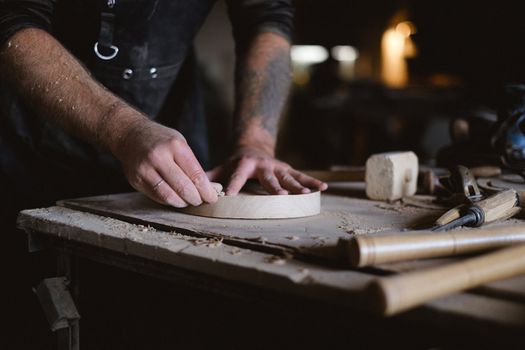
Beyond sourcing, true respect for materials is evident in the way artisans work with them. Handcrafted furniture makers often adapt their designs to fit the inherent character of the wood or other raw substances, rather than forcing the material to conform to a predetermined template. This results in pieces that celebrate the natural grain, color variation, and even imperfections—turning what might be considered “flaws” in mass production into focal points of beauty.
This approach dramatically reduces waste. According to a 2022 study by the National Wood Flooring Association, artisanal woodworking operations waste up to 70% less material compared to industrial-scale furniture manufacturers. By integrating offcuts into smaller pieces, using wood shavings for animal bedding or fuel, and avoiding toxic glues or finishes, ethical craftsmen create a more circular system.
Moreover, respecting materials also means considering their lifespan. Durable, well-constructed pieces are meant to last generations, reducing the demand for replacement and the overall consumption of resources. In contrast, the “fast furniture” industry is notorious for producing items with an average lifespan of just 5-7 years, resulting in millions of tons of landfill waste annually.
The Human Element: Ethics and the Artisan
The conversation about ethics in handcrafted furniture extends to the people behind each creation. Respecting materials goes hand-in-hand with respecting the labor and expertise of artisans. Fair wages, safe working conditions, and opportunities for skill development are integral to an ethical practice.
According to a 2021 report by the International Labour Organization, over 60% of global furniture is produced in Asia, often under conditions that do not meet international labor standards. In contrast, many small-scale workshops in Europe and North America adhere to strict codes of conduct, ensuring that artisans are not only compensated fairly but also have a voice in the creative process.
Supporting ethical handcrafted furniture means supporting communities and traditions. Many workshops are family-run, passing skills down through generations. Others collaborate with indigenous craftspeople, helping to preserve endangered techniques while ensuring that profits are equitably shared. For example, in Mexico’s Michoacán region, community woodworking cooperatives have revived traditional designs, boosting local incomes and cultural pride.
Consumer Choices: How to Identify Ethical Handcrafted Furniture
As awareness grows, so does the demand for ethical handcrafted furniture. Yet the market is rife with misleading claims and greenwashing. For consumers, distinguishing truly ethical pieces requires vigilance and a willingness to ask questions.
Here are some practical tips for identifying ethical handcrafted furniture:
1. Certification: Look for independent certifications like FSC, PEFC, or Rainforest Alliance, which verify responsible sourcing. 2. Transparency: Ethical makers are open about where their materials come from and how their pieces are made. 3. Craftsmanship: Inspect for signs of careful, skilled workmanship—dovetail joints, hand-planed surfaces, and visible wood grain all indicate a craftsman’s touch. 4. Durability: Heirloom-quality pieces are designed to last, not to be disposed of after a few years. 5. Community Impact: Research whether the brand supports local artisans, fair wages, and traditional skills. Consumers can also ask retailers direct questions: - Where is the wood sourced from? - Are any finishes or adhesives used non-toxic and environmentally friendly? - Who made this furniture, and under what conditions? - Is this piece designed to be repairable and long-lasting?By supporting ethical makers, buyers become part of a positive cycle—encouraging better practices and helping shift the industry toward sustainability.
Why Material Respect Shapes the Future of Furniture
The ethics of handcrafted furniture are not just a matter of personal preference—they are integral to the future of design, sustainability, and social justice. As the global population grows and resources become increasingly scarce, the need to respect materials has never been more urgent.
The United Nations Environment Programme estimates that wood consumption could double by 2050 if current trends continue. Without a shift to sustainable, respectful use, the planet’s forests—and the communities that depend on them—face grave risks. Handcrafted furniture, when made ethically, offers a model for how to use natural resources wisely, honor tradition, and create objects of lasting value.
Ultimately, respecting materials is about seeing the bigger picture: recognizing that every piece of wood, every hand-forged joint, and every finished surface represents a web of ecological, cultural, and human connections. By choosing handcrafted furniture made with ethical intent, we honor not only the materials but also the planet and the people who shape our living spaces.