The Intricacies of Handcrafted Wooden Furniture and Wood Carving: Craft, Culture, and Timeless Value
Handcrafted wooden furniture and wood carving stand as testaments to human ingenuity, artistry, and the enduring appeal of natural materials. Unlike the uniformity of mass-produced pieces, every handcrafted item tells a story—of the wood’s journey, the artisan’s vision, and the cultural traditions woven into its design. In an era dominated by automation and synthetic materials, the world of woodcraft is experiencing a renaissance, captivating collectors, homeowners, and design enthusiasts alike. What makes handcrafted wooden furniture and wood carving truly unique, and why are they cherished across generations? Let’s explore the intricate processes, cultural significance, and lasting value behind these beautiful creations.
The Art of Handcrafting: More Than Just Furniture
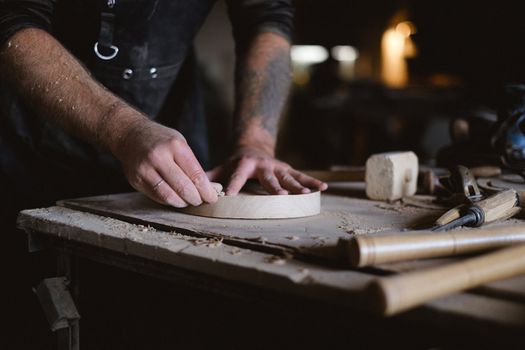
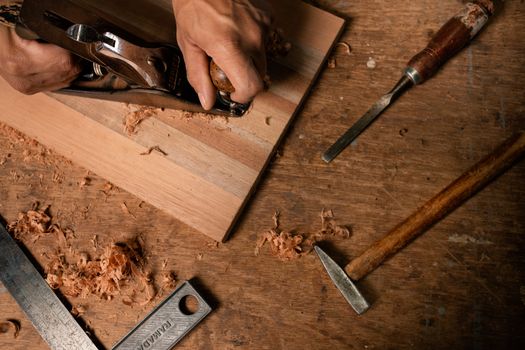
Handcrafted wooden furniture is more than just a functional object; it represents the harmonious blend of skill, patience, and creativity. Unlike factory-made alternatives, each piece is individually constructed using time-honored techniques such as mortise and tenon joints, dovetailing, and hand-planing. These methods require years of practice to master and result in furniture that is not only beautiful but also structurally superior.
.png)
According to the American Craft Council, handcrafted furniture can take anywhere from 80 to 400 hours to complete, depending on complexity. For example, a hand-carved oak dining table may require over 150 hours of labor, from the initial wood selection to the final polish. This investment of time ensures that each piece is unique, with subtle variations in grain, finish, and carving detail.
Wood carving, a specialized subset of woodworking, brings an extra dimension to furniture and décor. From intricate reliefs on cabinet fronts to three-dimensional sculptures adorning bedposts, the art of carving transforms simple wood into storytelling masterpieces. In many cultures, carved motifs symbolize protection, prosperity, or spirituality, adding cultural depth to the physical object.
Material Matters: Choosing the Right Wood
The choice of wood is a crucial factor in both furniture-making and wood carving. Different species offer distinct characteristics in grain, hardness, workability, and aesthetic appeal. For instance, maple is prized for its fine grain and resilience, making it ideal for detailed carving, while walnut boasts a rich, dark hue favored in luxury furniture. Oak’s strength and visible grain lend themselves to robust, statement pieces.
Sustainability is another key consideration. With growing awareness of environmental impact, many artisans now source their timber from responsibly managed forests. The Forest Stewardship Council (FSC) certifies wood that meets rigorous environmental and ethical standards. In 2023, over 220 million hectares of forest worldwide were FSC-certified, ensuring that the beauty of handcrafted woodwork does not come at the expense of future generations.
Selecting the appropriate wood also affects the longevity of the furniture. Teak and mahogany, for example, are naturally resistant to pests and moisture, making them suitable for outdoor or heirloom pieces. Pine and cedar, while softer, are easier to carve and lend themselves to rustic or folk-inspired designs.
Techniques and Traditions: From Joinery to Ornamental Carving
The techniques employed in handcrafted wooden furniture and wood carving are as diverse as the cultures that developed them. Traditional joinery methods, such as dovetails and mortise and tenon joints, provide exceptional strength without the need for nails or screws. These joints can be found in centuries-old furniture that is still functional today—a testament to their durability.
Carving techniques vary widely:
- Relief carving, where designs are raised above the background, is commonly seen in decorative panels and architectural elements. - Chip carving involves removing small chips of wood to create geometric patterns, often used in Scandinavian and Eastern European folk art. - Sculptural carving transforms blocks of wood into fully three-dimensional figures, from religious icons to abstract forms.Japanese woodworking, for instance, is renowned for its precision and minimalist beauty. The sashimono technique uses seamless joinery and delicate inlays, while Indian artisans often employ deep relief carving and complex floral motifs.
Many contemporary woodworkers blend traditional methods with modern tools—such as CNC routers or laser cutters—to achieve unprecedented detail and efficiency. However, the heart of the craft remains the artisan’s hands and eyes, guiding each cut and curve.
Handcrafted vs. Mass-Produced: A Comparative Overview
The differences between handcrafted and mass-produced wooden furniture extend far beyond aesthetics. Below is a comparative table highlighting key distinctions:
| Aspect | Handcrafted Furniture | Mass-Produced Furniture |
|---|---|---|
| Production Time | 80–400 hours per piece | 1–5 hours per piece |
| Material Quality | Solid wood, often locally or sustainably sourced | Plywood, MDF, or composite materials |
| Uniqueness | Each item is one-of-a-kind | Identical, mass-produced units |
| Durability | Decades to centuries | 5–15 years on average |
| Environmental Impact | Often lower, especially with FSC-certified wood | Higher, due to synthetic materials and waste |
| Price Range | Higher—reflects labor and materials | Lower—optimized for cost and speed |
This table illustrates why handcrafted wooden furniture is often considered an investment. While the initial cost may be higher, the item’s longevity, character, and minimal environmental impact yield value that far surpasses mass-produced alternatives.
Cultural Significance and Symbolism in Wood Carving
Wood carving has played a vital role in the cultural heritage of societies around the globe. In Africa, carved stools and masks are imbued with symbolic meaning and used in rituals and ceremonies. In Europe, Gothic cathedrals feature elaborate wooden altars and choir stalls, each telling biblical stories through carved figures and scenes.
In Asia, particularly in India and China, wood carving is both an artistic and spiritual pursuit. Ancient Buddhist temples in Thailand and Myanmar are adorned with intricate wooden reliefs depicting mythological tales. In Japan, the practice of netsuke—miniature carved toggles—showcases astonishing attention to detail and whimsical storytelling.
Modern artisans often draw upon these traditions, blending them with contemporary styles. For example, a custom-made sideboard might feature motifs inspired by Native American symbolism or Art Nouveau floral patterns, connecting the owner to a broader cultural narrative.
The Lasting Value and Legacy of Handcrafted Woodwork
Handcrafted wooden furniture and carved objects often become cherished heirlooms, passed down through generations. Their durability is not just physical but emotional—imbued with memories of family gatherings, milestones, and everyday life.
From a financial perspective, handcrafted woodwork can appreciate in value over time. According to a 2022 report by the Art Market Research, the value of fine wood furniture at auction has increased by an average of 4.5% annually over the past decade. This steady growth is driven by rising demand for authenticity and craftsmanship in a disposable world.
Furthermore, owning handcrafted wooden furniture fosters a deeper connection to the environment. As each piece is made from a living material, it reminds us of the forests and ecosystems that sustain human creativity. Many artisans even offer customization, allowing clients to choose wood species, finishes, and design elements that reflect personal taste and ethical values.
Why Invest in Handcrafted Wooden Furniture and Carvings?
Choosing handcrafted wooden furniture and wood carvings is more than a design decision—it is a commitment to quality, sustainability, and cultural preservation. Whether you are furnishing a home, collecting art, or seeking a meaningful gift, these items offer unmatched character and longevity.
With global interest in craftsmanship on the rise, now is an ideal time to explore the world of woodwork. Seek out local artisans, visit craft fairs, or commission a custom piece that will become part of your own story. As you do, you’ll not only support skilled makers but also help keep centuries-old traditions alive for future generations to appreciate.