Choosing the right color for handcrafted furniture is both an art and a science. Unlike mass-produced pieces, handcrafted furniture offers a unique invitation: you’re not just picking a color—you’re curating a statement that echoes your personality, complements your living space, and highlights the masterful work of an artisan. But with infinite hues and finishes available, how do you confidently select a color that feels timeless, practical, and inspiring?
In this guide, we’ll explore key considerations, offer practical tips, and share inspiration to help you choose the perfect color for your handcrafted furniture. Whether you’re customizing a dining table, revitalizing an heirloom chair, or commissioning a brand-new piece, these insights will empower you to make a choice that’s both beautiful and enduring.
The Role of Color in Handcrafted Furniture: More Than Meets the Eye
Color transforms handcrafted furniture from mere objects into focal points of your home. According to a 2023 Houzz survey, 73% of homeowners say the color of their furniture deeply influences the mood and function of a room. When thoughtfully chosen, color can:
.png) - Accentuate the craftsmanship and wood grain
- Set the emotional tone (cozy, vibrant, serene, etc.)
- Integrate seamlessly with existing décor
- Increase the longevity of your furniture’s appeal
- Accentuate the craftsmanship and wood grain
- Set the emotional tone (cozy, vibrant, serene, etc.)
- Integrate seamlessly with existing décor
- Increase the longevity of your furniture’s appeal
Handcrafted furniture, unlike factory pieces, often showcases unique grains, textures, and joinery. The right color can highlight these details or, conversely, subdue them for a minimalist look. It’s important to remember that color isn’t just about style—it’s about how you interact with and feel about your space every day.
Factors to Consider Before Choosing a Color
Selecting a color for handcrafted furniture isn’t just about picking your favorite shade. Consider these essential factors before making a decision:
1. $1 Light colors can make a small room feel larger and brighter, while dark colors add drama and warmth to spacious areas. Natural and artificial lighting also affect how colors appear—what looks perfect in a sunlit showroom may appear entirely different under your home’s lighting. 2. $1 High-traffic pieces (like dining tables) benefit from colors that camouflage scratches and wear. Accent pieces offer more freedom for bold or unconventional hues. 3. $1 Consider the colors of your walls, floors, rugs, and other furnishings. Do you want your handcrafted piece to blend in or stand out? Tools like color wheels or online visualizers can help you preview combinations. 4. $1 Different woods absorb stains and paints uniquely. For instance, oak’s open grain takes on a rustic, textured look when stained, while maple appears smooth and even. The same stain can look dramatically different across wood species. 5. $1 Are you inspired by Scandinavian minimalism, mid-century modern warmth, or bold contemporary statements? While trends come and go, selecting a color that resonates with your personal taste ensures long-term satisfaction.Popular Color Choices for Handcrafted Furniture: Pros, Cons, and Inspiration
To help you navigate the spectrum of options, here’s a comparison of popular handcrafted furniture color approaches:
| Color Approach | Pros | Cons | Best For | Example |
|---|---|---|---|---|
| Natural/Transparent Finish | Showcases wood grain, timeless, easy to match | Less color variety, may highlight imperfections | Heirloom and classic pieces | Walnut dining table with clear oil finish |
| Light Stain (e.g., blonde, honey) | Brightens space, modern look, hides dust | Shows stains more, may fade in sunlight | Scandinavian or contemporary style | Maple coffee table in natural stain |
| Dark Stain (e.g., espresso, mahogany) | Elegant, hides scratches, adds drama | Can darken rooms, dust more visible | Traditional or formal spaces | Cherry sideboard in rich mahogany finish |
| Paint (solid colors) | Unlimited color options, can cover flaws | May obscure wood grain, chips over time | Accent furniture, artistic pieces | Turquoise painted accent chair |
| Two-Tone/Color Blocking | Unique, highlights design features | Requires skillful execution, may date quickly | Modern, eclectic interiors | Tabletop in natural oak, legs in navy blue |
A 2022 survey by Furniture Today revealed that 61% of custom furniture buyers favored natural or lightly stained finishes, while 27% opted for bold paint colors to make a statement. Your choice can be classic or creative—the key is intentionality.
How to Test and Visualize Color Choices
Before committing to a color, it’s wise to test and preview your options. Here’s how:
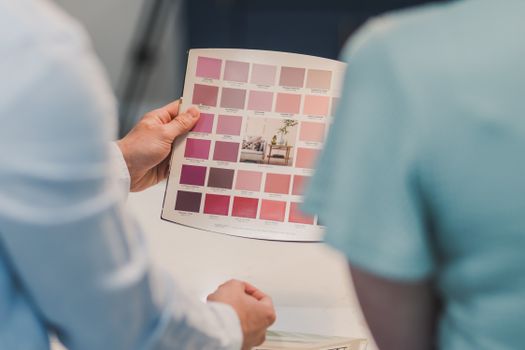
- $1 Most paint and stain suppliers offer small sample pots or swatches. Apply these to a discreet area or a sample board of the same wood species. Observe how the color changes throughout the day and under various lighting conditions. - $1 Brands like Sherwin-Williams and Benjamin Moore offer online tools to preview colors on furniture models. Some artisan furniture makers even provide digital mockups to help you visualize custom finishes. - $1 Gloss, semi-gloss, satin, and matte finishes each affect color perception and durability. For example, matte finishes give a modern, understated look, while gloss can make colors pop but may show fingerprints. - $1 Place fabric, rug, or curtain samples next to your color swatches. This holistic approach ensures your new furniture harmonizes with the rest of your décor.Practical Tips for a Flawless Finish
Once you’ve chosen your color, the finishing process plays a crucial role in the final appearance and longevity of your handcrafted furniture. Here are some practical tips:
1. $1 Allow the natural beauty of the wood to guide your color application. For example, open-grain woods like oak benefit from grain-filling before staining, while closed-grain woods like cherry take stains more evenly. 2. $1 Sand the surface thoroughly and clean away dust. Any imperfections become more visible after staining or painting. 3. $1 Whether staining or painting, several thin coats yield a smoother, richer finish than a single thick one. Allow ample drying time between coats. 4. $1 Use a protective topcoat (such as polyurethane, oil, or wax) to safeguard against spills, scratches, and fading. This is especially important for tabletops and frequently used items. 5. $1 If you’re working with a custom furniture maker, tap into their expertise. Artisans often have deep knowledge about how certain colors and finishes behave on specific woods and can offer invaluable, tailored advice.Drawing Inspiration: Color Trends and Timeless Combinations
While it’s wise to choose a color that suits your personal taste, looking at current trends and timeless pairings can spark creativity.
- $1 According to the 2024 Milan Furniture Fair, earthy greens, deep blues, and muted terracottas are taking center stage in handcrafted furniture. These colors evoke a sense of calm and connection to nature, perfect for creating a welcoming home environment. - $1 Natural wood tones paired with off-white or soft gray paint create a classic, versatile look. Black accents add sophistication without overwhelming the piece. - $1 Don’t be afraid to experiment. For example, a deep navy base with a walnut top can be both bold and elegant, while a rich emerald green dresser becomes a stunning focal point in a neutral room.Remember, handcrafted furniture is about self-expression. Whether you draw inspiration from current trends or family heirlooms, the right color will make your furniture feel truly yours.
Final Thoughts: Creating a Cohesive and Personal Space
Choosing the right color for handcrafted furniture is a journey of discovery—one that balances practicality, artistry, and personal flair. By considering your room’s needs, the furniture’s function, and your own style preferences, you can select a color that brings out the best in both the piece and your home.
Embrace the process of experimentation, consult with artisans, and trust your instincts. The color you choose today will shape the stories and memories your handcrafted furniture holds for years to come.