From Log to Love Seat: The Art of Handmade Furniture
There’s something undeniably captivating about a piece of handmade furniture. Unlike mass-produced items that roll off assembly lines by the thousands, a handcrafted chair, table, or love seat tells a story—of patient hands, raw materials, and skill passed down through generations. The journey from a rugged log to a charming love seat is a testament to human creativity, resourcefulness, and respect for nature. In this article, we’ll explore the fascinating process, artistry, and significance behind handmade furniture, tracking each step from forest floor to finished heirloom.
The Journey Begins: Selecting the Perfect Log
Every handmade furniture piece starts its journey in the forest. Woodworkers, often called artisans, take great care in choosing the right logs for their projects. The selection process isn’t just about picking a tree; it involves understanding the unique properties of different wood species and how they influence the final product.
For instance, oak is prized for its strength and beautiful grain, making it ideal for sturdy love seats and tables. Cherry wood, with its rich, warm hues, is favored for fine indoor furniture. According to the United States Forest Service, the U.S. alone harvests over 11 billion board feet of hardwood annually, but only a fraction is chosen for artisan furniture due to strict quality standards.
.png)
Artisans look for logs that are straight, free from disease, and have minimal knots. The moisture content is also crucial: freshly felled logs contain as much as 60% water by weight, which must be reduced to 6-8% for indoor furniture. This drying process, called seasoning, can take months or even years and is essential to prevent warping or cracking.
Transformation in the Workshop: From Log to Lumber
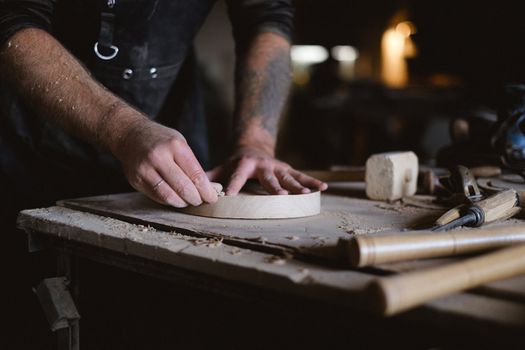
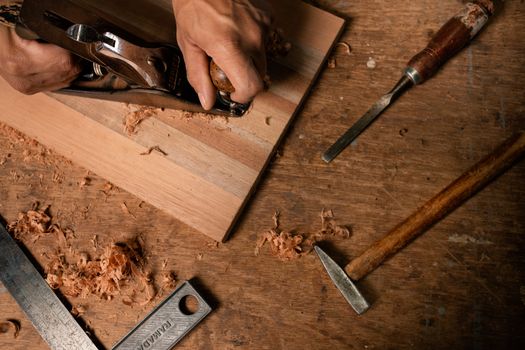
Once a suitable log is selected and seasoned, the transformation begins. The log is cut into planks or slabs using sawmills or, in some workshops, traditional hand tools. Each cut is made with careful consideration of the wood’s grain pattern, which will define the beauty and integrity of the finished piece.
After cutting, the wood is planed and milled to precise dimensions. This stage is where a craftsman’s knowledge truly shines—understanding how wood moves and how to minimize waste. According to the Woodworking Network, handmade furniture production typically yields about 65-75% usable lumber from each log, compared to less than 50% in industrial settings.
The next steps involve jointing and assembling. The mortise and tenon joint, a technique dating back over 7,000 years, is still favored for its strength. Dovetail joints, often used in drawers, are another hallmark of quality craftsmanship. These methods require meticulous handwork and are a far cry from the screws and nails found in flat-pack furniture.
Design Philosophy: Marrying Form and Function
What truly sets handmade furniture apart is the attention to design. Every curve, angle, and join is deliberate, balancing aesthetics with utility. Craftsmen often draw inspiration from nature, architecture, or historical styles, but the best pieces also bear the unmistakable imprint of their maker’s personality.
The love seat, for example, embodies this blend of artistry and function—it’s cozy enough for two, yet stylish enough to anchor a room. Many artisans customize the seat’s proportions, armrests, and backrest to fit the client’s needs and the wood’s natural character.
A 2021 survey by the American Home Furnishings Alliance found that 68% of consumers value furniture that is both beautiful and enduring, a hallmark of well-designed handmade pieces. Unlike factory-made furniture, each handmade item is unique; even two love seats from the same log will have subtle variations in color, grain, and shape.
Finishing Touches: Bringing Out the Wood’s Natural Beauty
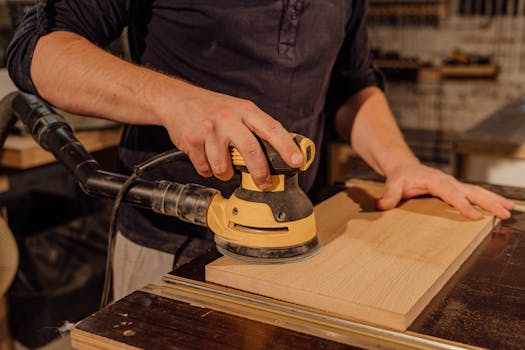
The final stage in the journey is finishing—sanding, staining, and sealing the wood to protect it and enhance its natural charm. Finishing isn’t just about looks; it also guards against moisture, sunlight, and everyday wear.
Many artisans use natural oils and waxes, such as tung oil or beeswax, rather than synthetic varnishes. These finishes penetrate the wood, highlighting its depth and character while remaining environmentally friendly. Some even use age-old techniques like hand-rubbed shellac, which gives wood a lustrous, tactile sheen.
Attention to detail is paramount: hours can be spent sanding a single armrest to a silky smoothness. Hardware, such as brass hinges or hand-forged handles, is often chosen to complement the wood’s tone and style. The result is a piece that feels as good as it looks—a love seat that invites you to linger.
Handmade vs. Mass-Produced Furniture: A Comparison
To appreciate the true value of handmade furniture, it helps to compare it with the mass-produced alternatives that dominate today’s market. The differences go far beyond price:
| Aspect | Handmade Furniture | Mass-Produced Furniture |
|---|---|---|
| Material Selection | Carefully chosen, often solid wood | Engineered wood, veneers, or composites |
| Construction Techniques | Traditional joinery (mortise & tenon, dovetail) | Mechanical fasteners (screws, nails, glue) |
| Durability | Decades to generations | 5-10 years on average |
| Customization | Made to order, unique designs | Standardized models, limited options |
| Environmental Impact | Sustainable practices, often local sourcing | High waste, long supply chains |
| Price Range | $800-$2,500 for a love seat | $250-$800 for a love seat |
This table illustrates why handmade furniture, although more expensive, is valued for its longevity, sustainability, and individuality. According to a 2023 study by Statista, 42% of U.S. consumers are willing to pay more for sustainably made furniture—an area where handcrafting excels.
The Emotional Value: Stories Embedded in Wood
Beyond technical differences, handmade furniture carries emotional and cultural weight. Each piece is a physical record of its maker’s choices—where to highlight a knot, how to carve a curve, what finish to use. For many owners, a handmade love seat isn’t just a place to sit; it’s a family heirloom, a memory holder, and a conversation starter.
In a recent survey by Furniture Today, 61% of respondents said they felt a stronger personal connection to handmade furniture than to mass-produced pieces. Some even commission artisans to incorporate wood from a meaningful tree—perhaps one that grew on family land or survived a storm—making the piece a living memento.
Handmade furniture also sustains traditions: techniques like Shaker simplicity, Arts and Crafts joinery, or Scandinavian minimalism are kept alive by today’s craftspeople. Each new piece is both an innovation and a tribute to centuries-old artistry.
The Future of Handmade Furniture: Challenges and Opportunities
While the demand for unique, handcrafted furniture is growing, the industry faces significant challenges. The number of skilled woodworkers in the U.S. has declined by 30% over the past two decades, according to the Bureau of Labor Statistics. Rising costs for quality wood and competition from mass-market brands also pose hurdles.
Yet, there are reasons for optimism. The rise of online marketplaces and social media has allowed artisans to reach global audiences. Younger generations, concerned about sustainability and authenticity, are embracing handmade goods. Workshops and maker spaces are reviving old skills and fostering new ones.
Collaboration is another trend: some furniture makers partner with local designers, metalworkers, or textile artists to create innovative pieces. Others experiment with new materials, such as reclaimed wood or bamboo, to reduce environmental impact.
The future of handmade furniture lies in its ability to adapt—to blend tradition with innovation, and to connect people not just with beautiful objects, but with the stories and skills behind them.
Final Reflections: Why Handmade Furniture Endures
From the forest’s edge to the heart of your home, the journey of handmade furniture is one of transformation, dedication, and art. Each love seat, table, or cabinet reflects hours of skilled labor and years of accumulated knowledge. Unlike fleeting trends, handmade furniture is built to last—physically, emotionally, and culturally.
When you choose a handmade love seat, you’re not just buying a piece of furniture; you’re investing in a tradition of craftsmanship, a sustainable future, and a story that will be told for generations. In a world of assembly lines and shortcuts, the art of turning logs into love seats reminds us of the enduring value of patience, passion, and the human touch.