Handcrafted Furniture: An Essential Element in Sustainable Living
In an era where sustainability shapes our choices, the furniture we bring into our homes can make a remarkable difference. With fast furniture dominating the market—offering low prices but often at a high environmental cost—handcrafted furniture emerges as a critical antidote. But what makes handcrafted furniture so essential to sustainable living? Beyond its timeless beauty and unique artistry, handcrafted furniture addresses urgent environmental and social issues, supporting responsible consumption and ethical production. This article delves into why and how handcrafted furniture stands at the intersection of style, sustainability, and conscious living.
The Environmental Impact of Mass-Produced vs. Handcrafted Furniture
The global furniture industry is a massive contributor to environmental degradation. In 2021, the world produced over $509 billion worth of furniture, with the majority coming from large-scale manufacturers. These mass-produced items often use synthetic materials, toxic glues, and finishes. They are designed for rapid turnover, resulting in approximately 9.7 million tons of furniture waste each year in the United States alone, according to the Environmental Protection Agency.
.png)
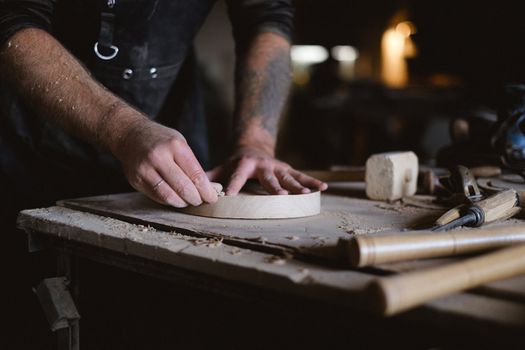
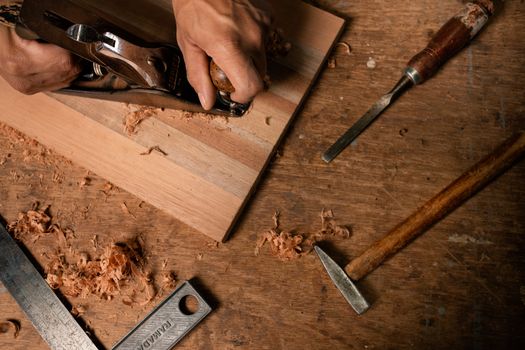
Handcrafted furniture, on the other hand, is built to last. Crafted from responsibly sourced wood, reclaimed materials, or upcycled components, these pieces leave a far smaller carbon footprint. Skilled artisans typically use natural finishes and fewer toxic chemicals. The energy consumption in small workshops is significantly lower compared to industrial factories, reducing greenhouse gas emissions.
| Aspect | Mass-Produced Furniture | Handcrafted Furniture |
|---|---|---|
| Average Lifespan | 5-10 years | 25-100+ years |
| Primary Materials | MDF, particleboard, plastics | Solid wood, reclaimed materials |
| Annual Waste (US) | 9.7 million tons | Minimal, often repurposed |
| Production Energy Use | High (factories, machinery) | Low (workshops, hand tools) |
| End-of-life Disposal | Mostly landfill | Often repaired or passed down |
This comparison highlights the stark differences in environmental impact, underlining why handcrafted furniture is a cornerstone of sustainable living.
Handcrafted Furniture and Circular Economy Principles
Sustainable living isn’t just about reducing resource use—it’s about creating systems where materials are reused, repaired, and recycled. The concept of a circular economy emphasizes keeping products and materials in use for as long as possible, reducing waste to a minimum.
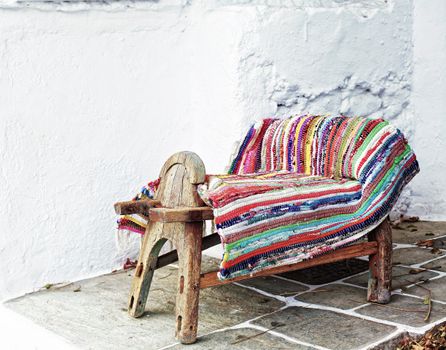
Handcrafted furniture naturally aligns with these principles. Artisans often source reclaimed wood from old barns, demolished buildings, or fallen trees, breathing new life into materials that might otherwise be discarded. Each piece is designed for longevity—joints are crafted for strength, finishes are chosen for durability, and timeless styles ensure relevance across generations.
When a handcrafted chair or table reaches the end of its life, it’s far more likely to be restored, refashioned, or recycled than a mass-produced counterpart. This model not only reduces landfill waste but also conserves resources, as fewer raw materials are required over time.
For example, a 2020 study from the Ellen MacArthur Foundation found that furniture crafted with circular economy principles can reduce lifecycle emissions by up to 40%. In the context of climate change, this is a significant advantage.
Supporting Local Economies and Ethical Labor
Sustainable living extends beyond the environment—it also encompasses social responsibility. Mass-produced furniture is often manufactured overseas, where labor standards may be low, wages minimal, and working conditions poor. The race to cut costs can result in exploitative practices and a loss of traditional craftsmanship.
Handcrafted furniture, conversely, is typically made by local artisans or small workshops. By choosing handcrafted, consumers support local economies and preserve valuable skills. In the United States, the craft furniture industry provides employment for over 100,000 artisans and small business owners. These jobs are often rooted in communities, helping to sustain local economies and keep traditional skills alive.
Moreover, handcrafted furniture businesses are more likely to pay fair wages and maintain safe working conditions. This ethical approach to labor is a vital part of true sustainability—one that values people as much as the planet.
Personalization, Emotional Value, and Reduced Consumption
One often overlooked aspect of sustainability is the emotional connection we build with our possessions. When furniture is mass-produced, it’s often designed to be disposable—easily replaced as trends change. This encourages a culture of overconsumption and waste.
Handcrafted furniture tells a different story. Each piece is unique, often made to order or customized to the buyer’s preferences. This personal investment fosters a sense of attachment, making owners less likely to discard or replace their furniture. According to a 2022 survey by the American Home Furnishings Alliance, 67% of consumers who purchased handcrafted furniture kept their pieces for more than 15 years, compared to just 23% for mass-produced items.
This emotional value leads to more mindful consumption. Instead of cycling through cheap, short-lived furniture, people invest in a few meaningful pieces that are designed to last generations. This shift not only reduces waste but also encourages appreciation for craftsmanship and materials.
Handcrafted Furniture’s Role in Healthy Indoor Environments
Sustainable living also encompasses the health and safety of our homes. Mass-produced furniture frequently contains volatile organic compounds (VOCs) from synthetic adhesives, laminates, and finishes. These chemicals can off-gas for months or even years, contributing to indoor air pollution and posing health risks.
Handcrafted furniture is generally made from solid woods and finished with natural oils or waxes. Artisans are mindful of the materials they use, often choosing non-toxic, low-VOC options. For families with children or individuals with allergies or sensitivities, these choices make a tangible difference in indoor air quality.
The World Health Organization reports that indoor air pollution is responsible for over 3.2 million deaths annually worldwide, underscoring the importance of toxin-free environments. By choosing handcrafted pieces made with natural, safe materials, consumers can protect their health while supporting sustainability.
Handcrafted Furniture as a Statement of Sustainable Values
Every piece of furniture tells a story—not just about its maker, but about the values of its owner. Handcrafted furniture is more than a functional object; it’s a statement of commitment to sustainability, quality, and ethical living.
Incorporating handcrafted furniture into your home is a visible way to advocate for responsible consumption. It sends a message to family, friends, and visitors that you value longevity, artistry, and environmental stewardship. This can inspire others to rethink their own purchasing habits and consider the broader impacts of their choices.
Moreover, as awareness of sustainability grows, handcrafted furniture retains or even increases in value. Unlike mass-produced items that depreciate rapidly, quality handcrafted pieces are often considered heirlooms, passed down through generations and cherished for their history.
Final Thoughts: Integrating Handcrafted Furniture into Sustainable Lifestyles
Embracing handcrafted furniture is a powerful step toward a more sustainable lifestyle. Its benefits are broad and profound: reducing environmental impact, supporting local economies, fostering ethical labor, enhancing well-being, and promoting mindful consumption. In an age where our choices matter more than ever, handcrafted furniture stands as an essential element for those committed to living sustainably.
By investing in quality over quantity, choosing local over global, and prioritizing materials and methods that respect both people and the planet, we can transform our living spaces—and our world—for the better. Sustainable living isn’t just about what we do; it’s about the legacy we leave behind, beautifully embodied in every handcrafted piece.