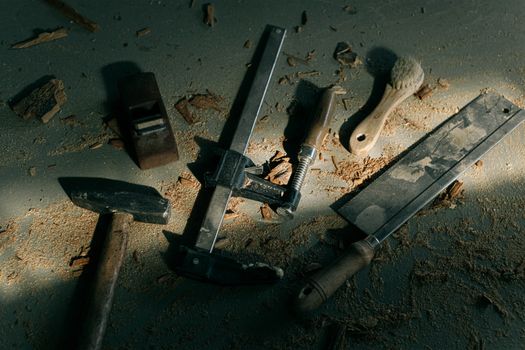
Handcrafted wooden furniture and sculptures have transcended their status as mere decorative or functional objects; they are now central to conversations about sustainability, ethical consumption, and responsible resource management. As climate concerns grow and consumers search for products that align with their environmental values, the sustainability of handcrafted wooden furniture and sculptures has become a topic of both aesthetic and ethical significance. But what makes these pieces truly sustainable? And how do they compare to mass-produced alternatives in terms of ecological impact, longevity, and cultural value? This article delves deep into the factors that make handcrafted wooden items a sustainable choice, the challenges they face, and their role in shaping a greener future.
The Environmental Footprint of Handcrafted Wooden Furniture and Sculptures
The sustainability of any product starts with its environmental footprint—from raw material sourcing to final disposal. Handcrafted wooden furniture and sculptures, when made responsibly, typically have a lower ecological impact than their mass-produced counterparts.
First, consider the source of the wood. According to the Food and Agriculture Organization (FAO), about 30% of the planet’s land area is covered by forests, and responsible woodworkers often use timber harvested from sustainably managed forests. Certification systems like the Forest Stewardship Council (FSC) ensure that trees are replanted, biodiversity is protected, and local communities benefit from forestry practices. In 2023, over 220 million hectares of forests worldwide were certified by the FSC, providing a robust supply of responsibly managed wood for artisans.
.png)
Handcrafted processes also drastically reduce energy consumption. Where industrial furniture factories rely on heavy machinery and automation—which the U.S. Energy Information Administration estimates accounts for 24% of total manufacturing energy use—artisans use human skill, hand tools, and small-scale workshops. This reduces fossil fuel consumption and the associated greenhouse gas emissions. A 2018 study by the European Furniture Industries Confederation found that artisanal furniture production can generate up to 60% less CO2 emissions per unit compared to mass-manufactured equivalents.
Additionally, handcrafted wooden pieces often use natural finishes like beeswax or plant-based oils instead of chemical-laden varnishes, minimizing toxic runoff and indoor air pollution. Wood scraps from artisan workshops are more likely to be repurposed or composted, further reducing waste.
Durability, Longevity, and the Value of Repair
One of the most compelling arguments for the sustainability of handcrafted wooden furniture and sculptures is their extraordinary durability. Mass-produced furniture is often made from engineered woods or composites, which can deteriorate quickly and are challenging to repair. In contrast, handcrafted pieces are built to last for generations.
A report from the Ellen MacArthur Foundation indicates that over 10 million tons of furniture are discarded annually in the United States alone, with most ending up in landfills. Much of this waste is attributed to cheaply made, short-lifespan products that are difficult or impossible to repair. Handcrafted furniture, however, is constructed using traditional joinery methods like mortise-and-tenon or dovetails, which allow for repeated repairs and refinishing.
Sculptures carved from solid wood endure for centuries, as evidenced by historical artifacts found in museums worldwide. For example, ancient Egyptian wooden sculptures—dating back over 3,000 years—still survive today, testifying to wood’s longevity when properly cared for.
By investing in handcrafted goods, consumers promote a culture of repair rather than replacement. Many artisans offer restoration services, ensuring their creations can be revived multiple times over their lifespan, thus reducing the overall environmental impact.
Supporting Local Economies and Traditional Craftsmanship
The sustainability of handcrafted wooden furniture and sculptures is not limited to environmental factors; it extends to social and economic dimensions as well. Each handmade piece is the product of skilled labor, often supporting local craftspeople and small businesses.
The United Nations Conference on Trade and Development (UNCTAD) reports that the global crafts sector is worth over $500 billion and employs millions, particularly in rural and developing regions. By purchasing handcrafted woodwork, consumers help preserve traditional knowledge, foster local economies, and prevent the erosion of cultural identities.
Artisan workshops often source wood locally, minimizing transportation emissions. They also tend to operate on a smaller scale and are more likely to reinvest profits into their own communities, compared to large multinational furniture corporations.
Furthermore, handcrafted wooden sculptures and furniture often incorporate indigenous techniques and motifs, adding cultural and artistic value that mass-produced items cannot replicate. This cultural significance increases the likelihood that these pieces will be treasured, maintained, and passed down, further extending their useful life.
Comparing Handcrafted and Mass-Produced Wooden Furniture: A Sustainability Overview
To better understand the sustainability advantages of handcrafted wooden furniture and sculptures, it’s helpful to compare them directly with mass-produced alternatives across several key metrics.
| Aspect | Handcrafted Wooden Furniture & Sculptures | Mass-Produced Wooden Furniture |
|---|---|---|
| Material Sourcing | Often uses sustainably harvested, local wood; FSC-certified options common | Frequently uses composite woods, veneers, or non-renewable resources |
| Energy Use | Low, primarily manual labor and small-scale machinery | High, industrial manufacturing, automation, and long transport chains |
| Emissions | Lower CO2 footprint per unit (up to 60% less) | Higher carbon footprint due to large-scale production |
| Product Lifespan | Decades to centuries; designed for repair and restoration | Often less than 10 years; difficult to repair |
| Waste Generation | Minimal; offcuts repurposed, less landfill waste | High; significant landfill contribution |
| Socioeconomic Impact | Supports local artisans and preserves cultural heritage | Profits benefit large corporations; low support for local economies |
The data clearly shows that handcrafted wooden furniture and sculptures outperform mass-produced counterparts in nearly every sustainability metric.
Challenges and Limitations to Full Sustainability
While handcrafted wooden furniture and sculptures offer significant sustainability advantages, there are challenges to making the sector fully sustainable.
Sourcing sustainable wood can be difficult in regions affected by illegal logging or poor forestry management. Even the best certification systems, such as FSC, cover only about 12% of the world’s forests as of 2023. This means that not all wood used in handcrafted items is guaranteed to be sustainable.
Another challenge is scalability. Handcrafted production is inherently slower and more labor-intensive, which can limit the availability and increase the cost of sustainable pieces. While this exclusivity adds value, it can also put such products out of reach for some consumers.
Transportation can also be an issue, especially if artisans ship their work internationally. However, the overall carbon footprint is still generally lower than mass-produced items, particularly if customers support local makers.
Finally, not all handcrafted items are created equal. Some may use unsustainable finishes or adhesives, or fail to consider end-of-life recyclability. Educated consumers should look for certifications, ask questions about materials and finishes, and support artisans committed to eco-friendly practices.
Handcrafted Wooden Art in the Circular Economy
Handcrafted wooden furniture and sculptures are naturally suited to the principles of the circular economy—a model that aims to eliminate waste and keep materials in use for as long as possible.
In the circular economy, products are designed for durability, repair, and reuse rather than obsolescence. Handcrafted wooden items exemplify this: they can be refinished, repurposed, or restored, continually renewing their function and beauty. For example, an old wooden table can be transformed into a bench, or a damaged sculpture can be artistically repaired or used as inspiration for a new piece.
Some artisan collectives also offer take-back programs, allowing customers to return old items for refurbishment or recycling. This helps ensure that wood remains in the supply chain and out of landfills.
According to a 2022 report by the Ellen MacArthur Foundation, adopting circular economy principles in furniture manufacturing could reduce greenhouse gas emissions by up to 30% by 2030. Handcrafted wooden furniture and sculptures are uniquely positioned to lead this transition, combining artistry with environmental stewardship.
Preserving Nature and Heritage: The Future of Sustainable Handcrafted Woodwork
The sustainability of handcrafted wooden furniture and sculptures is more than a trend; it’s a movement that honors both nature and human creativity. By prioritizing responsible sourcing, durability, community support, and circularity, these pieces represent a holistic approach to sustainability.
As consumers become more informed and demand for ethical products rises, the handcrafted wood sector is poised to grow. Embracing new technologies—such as digital marketplaces for local artisans and eco-certification apps—can help overcome some limitations, making sustainable wooden art more accessible.
Ultimately, choosing handcrafted wooden furniture and sculptures means investing in a future where artistry, tradition, and environmental health are inseparable. Every purchase becomes a statement: that sustainability matters, and beauty and responsibility can coexist.