Turning Wood into Wonder: The Process of Handcrafted Furniture
The allure of handcrafted furniture lies in its blend of artistry, tradition, and the tactile connection between maker and material. Each piece carries a story, not just of aesthetics but of transformation—where a humble plank of wood evolves into a cherished heirloom. This journey is a testament to skilled craftsmanship and a deep respect for nature’s resources. In an age of mass production, understanding the intricate process behind handcrafted furniture fosters a deeper appreciation for the objects that fill our homes. Let’s trace the fascinating voyage of wood as it is turned into wonder through the hands of master artisans.
The Art of Wood Selection: The Foundation of Mastery
Every piece of handcrafted furniture begins with the careful selection of wood. This step is foundational, as the type, age, and condition of the wood directly influence the beauty and longevity of the finished product. Unlike factory-made furniture, where composite materials or veneers may be used, handcrafted pieces often employ solid hardwoods such as oak, walnut, cherry, or maple.
Artisans consider several factors: - $1 The natural patterns in the wood, such as curly, bird’s eye, or flame figuring, can dramatically enhance the visual impact of a piece. - $1 Different woods possess varying degrees of hardness, affecting both the ease of carving and the durability of the furniture. - $1 Increasingly, craftsmen seek out responsibly sourced or reclaimed wood, aligning their work with environmental stewardship. In 2022, the Forest Stewardship Council reported a 15% increase in certified sustainable wood used by small-scale furniture makers worldwide.The selection process is not merely technical—it’s an act of vision. A seasoned artisan can look at a rough-hewn board and see within it the future curves and lines of a chair or table, much like a sculptor glimpsing a statue in a block of marble.
.png)
From Timber to Form: Shaping the Structure
Once the wood is chosen, it undergoes a transformation that requires both precision and patience. This stage involves several key steps:
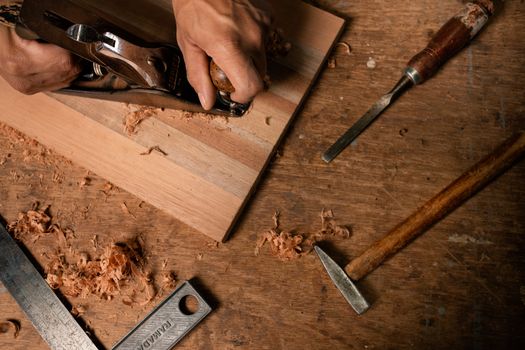
- $1 Freshly cut timber contains a high percentage of moisture—sometimes as much as 50%. If used immediately, this moisture can cause warping, cracking, or splitting over time. Therefore, wood is either air-dried or kiln-dried to reduce its moisture content to between 6% and 8%, ensuring stability and strength. - $1 Using hand tools such as saws, planes, and chisels, the artisan carefully mills the wood into boards or components. Each cut is deliberate, respecting the grain to prevent splintering and maximize strength. - $1 One of the hallmarks of handcrafted furniture is traditional joinery—methods of connecting wood without relying solely on nails or screws. Techniques like dovetail, mortise-and-tenon, or butterfly joints are not only structurally sound but also aesthetically pleasing. A well-made dovetail joint, for example, is a sign of master craftsmanship and can last for centuries.The process of shaping wood is both scientific and artistic. It demands an understanding of how wood behaves with changes in temperature and humidity—knowledge that only comes with years of hands-on experience.
Sculpting Details: The Role of Hand Tools and Techniques
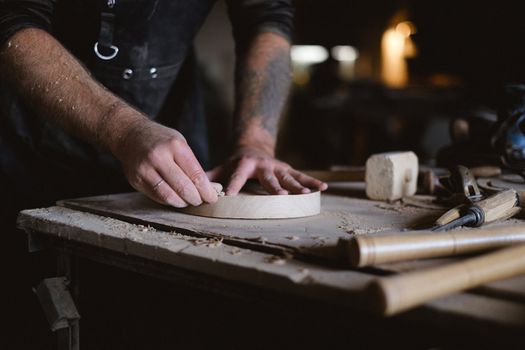
The soul of handcrafted furniture often lies in its details—the subtle curves, the tactile finishes, and the carved embellishments that set each piece apart. Unlike factory settings, where machines handle most of the work, handcrafting relies on a range of traditional tools and specialized techniques.
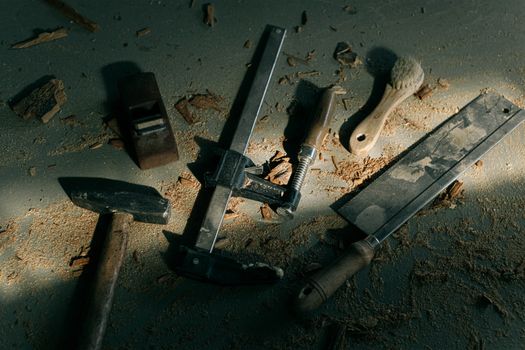
- $1 Chisels, gouges, spokeshaves, and rasps are used to create curves, edges, and intricate surface details. For example, a Windsor chair’s seat is often scooped out by hand, resulting in a comfortable ergonomic shape that machines struggle to replicate. - $1 Some artisans specialize in decorative techniques, such as embedding contrasting woods or materials into the surface to create patterns or images—a process known as marquetry. In a 2023 survey, 38% of buyers cited hand-inlaid designs as their top reason for choosing bespoke furniture. - $1 The tactile sensation of handcrafted furniture is achieved through painstaking sanding, scraping, and polishing. This not only brings out the wood’s natural luster but also prepares it for the final finishing stage.Each tool leaves a subtle signature—a slight variation, a unique curve—making every handcrafted piece a one-of-a-kind creation.
Finishing Touches: Protecting and Enhancing the Beauty
The finishing stage serves both functional and aesthetic purposes, sealing and protecting the wood while enhancing its natural appeal. Unlike mass-produced furniture, where finishes may be sprayed on in minutes, hand-finished pieces receive individual attention, often over several days.
- $1 Natural oils such as linseed or tung oil penetrate the wood, enriching its color and offering a soft, matte finish. Wax may be applied for additional sheen and tactile smoothness. - $1 Stain can be used to deepen the color or highlight the grain. Artisans apply stains by hand, allowing for subtle gradations and control that machines cannot match. - $1 For a more durable finish, multiple coats of lacquer or varnish are brushed or wiped on, with sanding between layers for a glass-like surface.This process is labor-intensive. According to the American Furniture Guild, hand-finishing can take up to 40% of the total time spent on a piece, but the result is a depth and character unmatched by automated processes.
Handcrafted vs. Mass-Produced Furniture: A Comparative Overview
The value of handcrafted furniture becomes clear when compared to its mass-produced counterparts. Beyond aesthetics, distinctions exist in quality, sustainability, and longevity.
| Aspect | Handcrafted Furniture | Mass-Produced Furniture |
|---|---|---|
| Materials | Solid hardwood, often locally or sustainably sourced | Engineered wood, veneers, or composites |
| Joinery | Traditional joints (dovetail, mortise-and-tenon) | Glue, nails, or mechanical fasteners |
| Production Time | 30-200+ hours per piece | 1-5 hours per unit |
| Customization | High—tailored to client’s needs | Low—standardized models |
| Longevity | 50-200 years (heirloom quality) | 5-20 years, depending on use |
| Environmental Impact | Lower, especially with sustainable sourcing | Higher, due to mass production and waste |
For instance, a handcrafted dining table may take an artisan over 100 hours to complete, but its lifespan can exceed a century, often becoming a treasured family heirloom. In contrast, many mass-produced tables are designed for affordability and rapid replacement.
The Human Element: Stories Carved in Wood
Perhaps the most remarkable aspect of handcrafted furniture is the human connection embedded in every piece. Artisans often spend years—sometimes decades—refining their skills. Their work is shaped by cultural traditions, regional styles, and even personal stories.
- $1 In many regions, woodworking skills are passed down through generations, with each craftsman adding their own touch to longstanding designs. - $1 Some artisans hide a small symbol, date, or initials within the joints or underside of their work, creating a tangible link between maker and owner. - $1 Handcrafted furniture often emerges from small workshops or collectives, supporting local economies and fostering a sense of community pride.This human element is difficult to quantify, but it adds a layer of meaning that mass production cannot replicate. As a result, handcrafted furniture is not just functional—it’s a celebration of heritage, creativity, and connection.
Final Reflections: Why Handcrafted Furniture Remains Timeless
The process of turning wood into wonder is a journey of transformation, patience, and artistry. Handcrafted furniture stands apart for its material integrity, attention to detail, and the personal investment of the maker. Each stage—from wood selection to finishing—reflects centuries of accumulated knowledge and a reverence for the natural world.
With growing interest in sustainability and authenticity, more people are seeking out handcrafted pieces for their homes. According to a 2023 report by the International Interior Design Association, demand for artisan furniture has grown by 22% over the past five years, signaling a renewed appreciation for quality over quantity.
In a fast-paced world, handcrafted furniture offers something enduring: a tangible reminder that beauty and meaning are found in the work of human hands. Whether as a focal point in a modern home or a cherished heirloom passed down through generations, these pieces invite us to slow down and savor the wonder embedded in wood.