A Journey Through Handmade Furniture and Wood Carving: Crafting Aesthetics and Preserving Tradition
Handmade furniture and wood carving have fascinated civilizations for centuries, blending artistic expression with practical utility. In a world increasingly dominated by mass production and automation, the allure of handcrafted woodwork stands out as a symbol of individuality, heritage, and meticulous craftsmanship. Each piece tells a unique story, reflecting the artisan’s vision, the natural character of the wood, and traditions passed down through generations. This article takes you on a journey through the intricate world of handmade furniture and wood carving, exploring the artistry, cultural significance, evolving techniques, and the enduring value these crafts bring to contemporary living.
The Origins and Evolution of Handmade Woodwork
The history of handmade furniture and wood carving is as old as civilization itself. Archaeological evidence shows that as early as 4000 BCE, ancient Egyptians were crafting wooden chairs, beds, and chests adorned with intricate carvings. In Asia, Chinese artisans from the Ming Dynasty became renowned for their elegant joinery and minimalist designs, while Indian craftsmen mastered ornate wood inlay techniques.
.png)
Europe experienced its own evolution in woodworking, with Gothic, Baroque, and Rococo styles each leaving their mark. By the 18th and 19th centuries, the Arts and Crafts movement emerged in Britain as a response to industrialization, emphasizing craftsmanship and natural materials. This movement spread across Europe and North America, championing the values of handmade artistry.
Today, handmade furniture and wood carving have experienced a renaissance. According to a 2021 report by Grand View Research, the global handcrafted furniture market was valued at $4.6 billion and is projected to grow at a compound annual growth rate (CAGR) of 6.9% through 2027. This resurgence is fueled by a desire for sustainable, unique, and durable home furnishings—qualities that mass-produced items often cannot match.
The Artistic Process: From Raw Timber to Functional Art
The journey from a rough plank to a finished piece of handmade furniture is a meticulous process that requires patience, skill, and a deep understanding of the medium. It typically involves several stages:
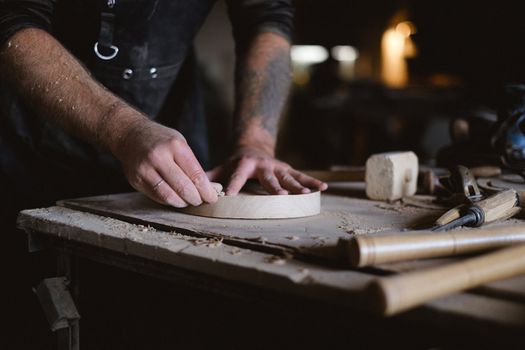
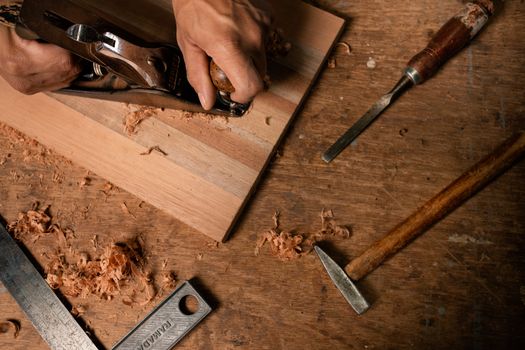
1. Wood Selection: The choice of wood is foundational. Hardwoods like oak, walnut, and cherry are prized for their durability and grain patterns, while softwoods like pine or cedar offer affordability and workability. 2. Design and Planning: Artisans sketch detailed plans, considering both function and aesthetics. This stage often involves custom requests, ensuring the final product aligns with the buyer’s vision. 3. Joinery and Construction: Unlike factory-made furniture, handmade pieces often utilize traditional joinery techniques—such as mortise and tenon, dovetail, or finger joints—that do not rely on nails or screws. This not only increases strength but also highlights the maker’s craftsmanship. 4. Carving and Detailing: Wood carving transforms plain surfaces into works of art. Techniques range from shallow reliefs to intricate three-dimensional sculptures. Popular motifs include foliage, animals, geometric patterns, and cultural symbols. 5. Finishing: Sanding, staining, and applying protective coatings enhance the wood’s natural beauty and ensure longevity. Finishes may be matte, glossy, or even colored, depending on the desired effect.For example, a single handcrafted dining table can require over 70 hours of labor, combining these steps to create a piece that is both beautiful and built to last.
Wood Carving Techniques and Styles Around the World
Wood carving is a global language of artistic expression, with every culture developing its own distinctive styles and motifs. Here are a few notable examples:
- Scandinavian Carving: Known for its simplicity and functionality, Scandinavian carving often features clean lines and natural motifs like leaves and flowers. The iconic “kubbestol” chair, carved from a single log, reflects this tradition. - African Wood Carving: In West and Central Africa, wood carving is integral to cultural rituals. Artists create masks, figurines, and stools using symbolic patterns and bold forms, often representing ancestral spirits. - Japanese Woodwork: Japanese artisans, or “shokunin,” are revered for their precision. Joinery techniques such as “kumiko” (intricate latticework) and “makie” (lacquer decoration) are hallmarks of Japanese wooden art. - Native American Carving: Totem poles and ceremonial masks from the Pacific Northwest are renowned for their storytelling and symbolism, carved from massive cedar logs. - European Ornamental Carving: Baroque and Rococo furniture from France and Italy feature elaborate carvings, scrolls, and gilded details, showcasing opulence and artistic flair.Each style is a testament to the local environment, beliefs, and social customs, making wood carving a living repository of cultural heritage.
Handmade vs. Mass-Produced Furniture: A Comparative Overview
Choosing between handmade and mass-produced furniture involves considering factors such as quality, price, sustainability, and uniqueness. The table below outlines key differences to help guide your decision:
| Aspect | Handmade Furniture | Mass-Produced Furniture |
|---|---|---|
| Craftsmanship | Highly skilled, unique techniques | Standardized, machine assembly |
| Materials | High-quality, solid wood (often locally sourced) | Engineered wood, veneers, or composite materials |
| Durability | Can last decades, often heirloom quality | Shorter lifespan, more prone to wear |
| Customization | Fully customizable to preferences | Limited options, standard sizes |
| Environmental Impact | Often sustainable, less waste | Higher waste, sometimes unsustainable sourcing |
| Price Range | $500–$10,000+ (depending on complexity) | $100–$2,000 (mass market range) |
According to the American Home Furnishings Alliance, 41% of consumers in 2023 expressed a willingness to pay more for sustainably sourced, handmade furniture, highlighting a growing appreciation for quality over quantity.
Modern Innovations: Blending Tradition with Technology
While the heart of handmade furniture remains rooted in tradition, artisans today are embracing modern tools and technology to expand creative possibilities. Computer-aided design (CAD) software, for instance, allows for precise planning and prototyping, minimizing waste and errors. Laser cutters and CNC routers can assist in complex carving tasks, freeing up artisans to focus on finishing and detail work.
Moreover, digital platforms have revolutionized the way makers connect with customers. Online marketplaces like Etsy, CustomMade, and 1stdibs have opened global markets to local woodworkers, enabling them to reach clients who value craftsmanship and originality.
Sustainability is another area where innovation shines. Many artisans now use reclaimed wood from old barns, ships, or urban trees destined for landfills. This not only reduces environmental impact but also gives each piece a story and character that new wood cannot match. For example, a coffee table made from reclaimed oak beams can save approximately 70 kg of CO2 emissions compared to manufacturing with newly harvested wood.
Cultural and Emotional Value: More Than Just Furniture
Handmade furniture and wood carving are more than just functional items—they are vessels of memory, emotion, and identity. A hand-carved rocking chair, passed down through generations, becomes a cherished family heirloom. Custom pieces designed for special occasions celebrate milestones and create legacy.
Moreover, the act of commissioning or creating a handmade piece fosters a connection between maker and owner. Many artisans document their process, sharing photos and stories about the wood’s origin and the inspiration behind the design. This narrative adds depth and meaning, transforming an object into a personal artifact.
Studies also show that environments filled with handcrafted elements contribute to well-being. According to a 2020 survey by the International WELL Building Institute, 62% of respondents reported feeling more relaxed and content in spaces featuring natural materials and artisanal décor.
The Enduring Impact of Handmade Furniture and Wood Carving
In a rapidly changing world, the enduring appeal of handmade furniture and wood carving lies in their ability to blend artistry, functionality, and sustainability. These crafts preserve cultural heritage, support local economies, and offer a meaningful alternative to disposable consumerism. As more people seek authenticity and connection in their living spaces, the journey through handmade woodwork promises to inspire, comfort, and endure for generations to come.