Handcrafted furniture is experiencing a remarkable resurgence in the world of home decor, carving out a unique space amid mass-produced alternatives. Its influence can be seen in the growing number of homes adorned with bespoke, artisan-crafted pieces—each telling a story of tradition, craftsmanship, and timeless beauty. But what exactly is driving the popularity of handcrafted furniture, and how is it shaping home decor trends in 2024 and beyond? In this deep dive, we explore the dynamic impact of handcrafted furnishings on the evolving landscape of interior design, from shifting consumer values to the rising demand for authenticity and personalization.
The Shift from Mass Production to Artisan Quality
For decades, mass-produced furniture has dominated the market, offering affordability and convenience. However, recent years have seen a significant pivot towards handcrafted alternatives. According to a 2023 survey by Statista, 38% of consumers in the United States expressed a preference for artisan-made furniture over factory-made options—a notable increase from 26% in 2018. This shift is largely attributed to a growing desire for higher quality, durability, and unique design elements.
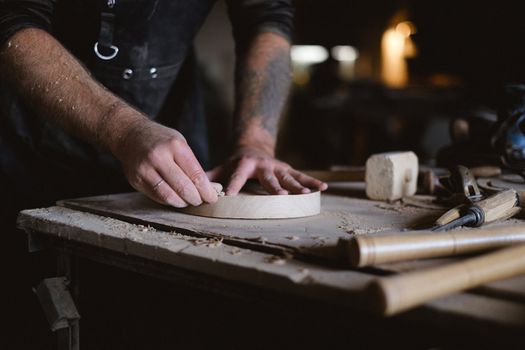
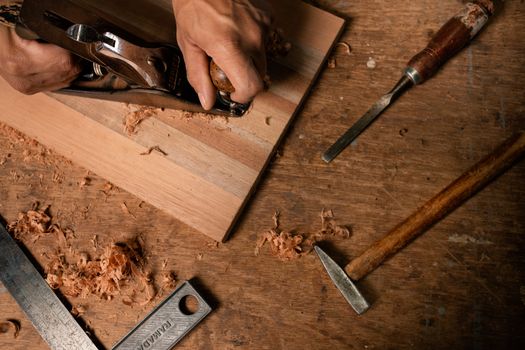
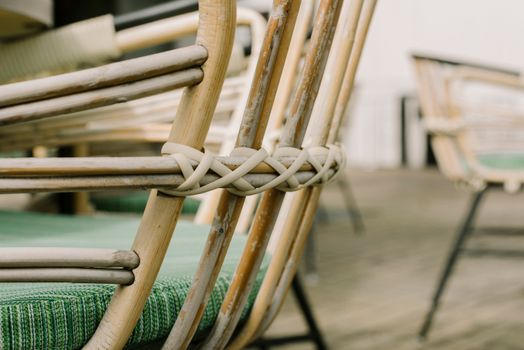
Unlike their mass-produced counterparts, handcrafted pieces are built with meticulous attention to detail. Artisans often use traditional joinery techniques such as dovetail or mortise-and-tenon joints, which can extend the lifespan of furniture by decades. For example, antique handcrafted wooden chairs from the early 20th century often remain functional and attractive today, a testament to the enduring value of skilled craftsmanship.
.png)
Personalization and Storytelling in Home Decor
One of the most profound impacts of handcrafted furniture on home decor is the move towards personalization. Today’s homeowners are increasingly seeking pieces that reflect their personalities, values, and histories. Unlike mass-market items, handcrafted furniture offers the opportunity for customization—be it a unique wood stain, a specific dimension, or a carved motif that holds personal significance.
Storytelling also plays a crucial role. Each handcrafted piece carries the narrative of the artisan, the materials, and the techniques used. For instance, a handcrafted dining table might be made from reclaimed barn wood, connecting the owner to sustainable practices and a sense of heritage. According to a 2022 Houzz trend report, 54% of homeowners who purchased handcrafted furniture cited the “story behind the piece” as a key reason for their choice.
This trend is influencing interior designers as well. Home decor magazines and influencers now frequently showcase homes centered around a few striking handcrafted pieces, creating focal points that invite conversation and admiration.
Handcrafted Furniture and Sustainable Living
The environmental impact of furniture choices is an increasing concern for many consumers. Handcrafted furniture supports sustainability in several ways, setting it apart from the fast-furniture industry, which is responsible for approximately 9.8 million tons of landfill waste annually in the United States alone (U.S. Environmental Protection Agency, 2022).
Artisans often use locally sourced, responsibly harvested, or reclaimed materials, minimizing transportation emissions and reducing the demand for virgin resources. Moreover, the longevity of handcrafted furniture means fewer pieces end up in landfills. A handcrafted solid wood table, for example, can last 50 to 100 years, compared to an average of just 7-15 years for many mass-market pieces.
Below is a comparison table highlighting the sustainability differences between handcrafted and mass-produced furniture:
| Feature | Handcrafted Furniture | Mass-Produced Furniture |
|---|---|---|
| Average Lifespan | 50-100 years | 7-15 years |
| Materials Sourcing | Local, reclaimed, responsibly harvested | Often imported, non-renewable resources |
| Production Scale | Small batch, artisan | Large-scale, industrial |
| Waste Generation | Minimal, often repurposed off-cuts | High, significant landfill contributions |
| Repairability | Easy, often designed for longevity | Limited, often cheaper to replace |
This clear environmental advantage is increasingly influencing home decor trends, as more people seek to reduce their ecological footprint without sacrificing style or comfort.
The Influence of Global Artistry and Cultural Heritage
Handcrafted furniture is not just about aesthetics and sustainability—it’s also a celebration of cultural heritage. Artisans around the world infuse their creations with techniques and motifs passed down through generations, creating pieces that are both functional and rich in cultural significance.
For example, Indian hand-carved wooden panels feature intricate floral and geometric designs that reflect centuries-old traditions. Scandinavian artisans are renowned for their minimalist yet highly functional wooden furniture, emphasizing clean lines and natural finishes. In Morocco, hand-inlaid bone and mother-of-pearl create dazzling statement pieces.
According to the World Crafts Council, global demand for culturally significant handcrafted furniture has grown by 27% since 2020. This trend is reflected in home decor, where eclectic mixes of handcrafted items from different countries are used to create spaces that are both globally inspired and deeply personal.
Interior designers often recommend combining a few key handcrafted pieces with more neutral, modern elements. This approach allows the unique artistry of each item to stand out, while maintaining a harmonious and contemporary feel.
Economic Impact: Supporting Artisans and Local Communities
Choosing handcrafted furniture is not just a design statement—it’s also an investment in people and communities. The handcrafted furniture sector employs millions of artisans globally, many of whom rely on this work to support their families and preserve traditional skills.
In the United States alone, the crafts sector—including furniture, textiles, and ceramics—accounts for an estimated $43 billion in annual economic activity (National Endowment for the Arts, 2023). Purchasing handcrafted furniture often means dealing directly with makers or small businesses, ensuring that a greater share of the final price goes to the creators rather than corporate middlemen.
This direct support is especially vital in rural or developing regions, where artisan crafts may be one of the few viable sources of income. As consumers become more aware of these impacts, their buying decisions are increasingly guided by social responsibility as well as aesthetics.
Handcrafted Furniture in Contemporary Design Movements
Handcrafted furniture is playing a starring role in several modern design movements. The “slow living” philosophy, which emphasizes mindfulness and intentional living, aligns perfectly with the values of handcrafted furnishings. In this context, furniture is seen not merely as decor, but as an investment in quality of life.
The popularity of the “Japandi” style—a fusion of Japanese minimalism and Scandinavian functionality—demonstrates how handcrafted pieces can bridge different design philosophies. This movement favors simple, well-made furniture crafted from natural materials, often by local artisans.
Moreover, the rise of “maximalism” in home decor, with its embrace of bold colors, patterns, and one-of-a-kind pieces, offers the perfect canvas for showcasing unique handcrafted furnishings. Homeowners are encouraged to express their individuality by mixing and matching vibrant, artisan-made items, turning their homes into personalized galleries.
Final Thoughts: The Enduring Allure of Handcrafted Furniture
The impact of handcrafted furniture on home decor trends is both profound and multifaceted. From championing sustainability and supporting local economies to fostering personalization and celebrating cultural heritage, handcrafted pieces offer far more than mere functionality. They bring depth, character, and meaning to living spaces—qualities that are increasingly valued in our fast-paced, digitized world.
As consumers continue to seek authenticity and connection in their homes, handcrafted furniture stands out as a lasting trend that bridges past and present, artistry and utility. Whether anchoring a contemporary loft or a cozy cottage, these pieces invite us to slow down, appreciate craftsmanship, and surround ourselves with items that truly matter.