Breathing Life into Wood: Handcrafted Furniture and Carving
There’s a quiet, almost magical transformation that occurs when a skilled artisan turns a raw piece of timber into a work of art. Handcrafted furniture and wood carving take what nature provides and, through vision and labor, breathe life into it—honoring wood’s inherent beauty while creating objects that speak to our senses, stories, and spaces. In a world dominated by mass production, the resurgence of handcrafted woodwork isn’t just a trend; it’s a testament to our longing for authenticity, individuality, and deeper connection to both craft and material. This article explores the artistry, tradition, and meaning behind breathing life into wood through handcrafted furniture and carving, illuminating what truly sets these pieces apart from their factory-made counterparts.
The Human Touch: The Soul Behind Every Piece
Unlike machine-stamped furniture, handcrafted pieces are infused with the personality and intention of their makers. Each artisan brings years—sometimes decades—of experience, intuition, and personal flair to their creations. This human touch is more than a romantic notion; it results in tangible differences.
According to a 2022 survey by the American Craft Council, 74% of buyers felt that handmade wooden furniture had a “noticeable warmth and uniqueness” compared to store-bought items. This is because small workshops or solo craftspeople can adapt their techniques to the natural quirks of every plank—working with knots, grain patterns, and natural imperfections to enhance, not hide, the wood’s character.
.png)
For example, in the Shaker tradition, simplicity and function are paramount, with visible joinery and careful grain alignment. Meanwhile, Scandinavian handcrafters often use lighter woods and fluid shapes, highlighting clarity and lightness. In Japan, joinery is an art form unto itself, with intricate interlocking pieces that require no nails or screws—an engineering marvel, but also a celebration of the wood’s inherent strength.
The Living Material: How Wood’s Nature Shapes Design
Wood is not a static medium. It breathes, shifts, and matures over time. Handcrafters understand this intimately, choosing each species for its unique traits—hardness, color, grain, scent, and durability. Oak, for instance, is prized for its strength and coarse grain; walnut for its deep, chocolate hues; cherry for its smooth finish and gradual darkening with age.
The artisan’s process always begins with a careful selection of timber. Sustainable sourcing is often a priority: In 2023, the Forest Stewardship Council reported that 61% of artisanal furniture makers in North America use FSC-certified woods, ensuring responsible forest management and minimizing environmental impact.
Moreover, the way wood is dried, stored, and even how it’s cut (quarter-sawn vs. plain-sawn) influences the final product. Quarter-sawing, for example, is more labor-intensive but yields boards with superior stability and striking grain patterns—a detail often found in heirloom-quality handcrafted furniture.
Hand-Carving: Storytelling in Relief and Sculpture
Carving is where wood truly comes alive, transcending utility to become art. From delicate reliefs adorning cabinet doors to full three-dimensional sculptures, wood carving is an ancient craft with roots in every culture.
The 2019 International Wood Culture Society survey found that over 2,000 distinct carving styles are still practiced worldwide, ranging from the bold geometric motifs of African stools to the intricate floral scrollwork of European Rococo chairs. In many cultures, certain motifs carry symbolic meaning: lotus flowers for purity, acanthus leaves for longevity, or the Celtic knot for unity.
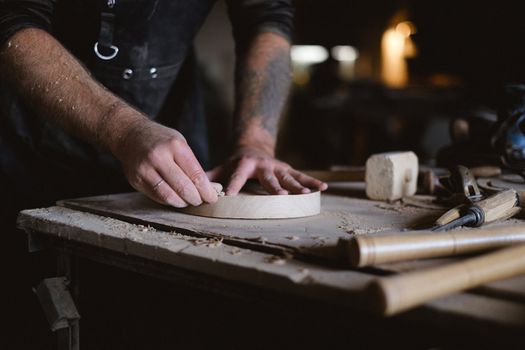
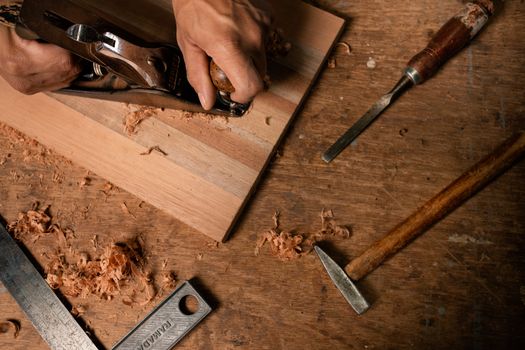
Modern carvers often blend tradition with innovation, using both hand tools (chisels, gouges, mallets) and contemporary power tools to achieve stunning detail. Notably, hand carving allows for “responsive design”—the artisan can adapt on the fly, following the wood’s contours and textures, making each piece truly one-of-a-kind.
Comparing Handcrafted and Mass-Produced Furniture: A Closer Look
The differences between handcrafted and mass-produced furniture extend beyond aesthetics. Factors like durability, sustainability, and long-term value are significantly impacted by the method of creation. The table below provides a snapshot comparison:
| Feature | Handcrafted Furniture | Mass-Produced Furniture |
|---|---|---|
| Material Quality | Solid wood, carefully selected | Mixed woods, often veneers or composites |
| Joinery | Traditional techniques (dovetail, mortise-and-tenon) | Mechanical fasteners, glue, staples |
| Customization | High—tailored to client’s needs and space | Low—standardized production |
| Durability | Often lasts generations (50+ years) | Typical lifespan 5-15 years |
| Environmental Impact | Lower with sustainable sourcing, less waste | Higher due to mass production and transport |
| Cost | Higher initial investment | Lower upfront cost |
| Resale Value | Retains or increases over time | Depreciates quickly |
This comparison highlights why handcrafted furniture is not just an aesthetic choice but a practical investment in quality and sustainability.
Innovation Meets Tradition: Modern Techniques in Handcrafted Woodwork
Today’s artisans are not bound by tradition alone. Many combine time-honored methods with cutting-edge technology, ushering handcrafted woodworking into the 21st century. Computer-aided design (CAD) is increasingly used for planning complex joinery or custom fits, while laser engraving allows for precision detailing impossible by hand alone.
For example, some woodworkers use CNC routers to rough out shapes before refining with hand tools, ensuring consistency without sacrificing the personal touch. Others incorporate mixed media, such as resin inlays or metal accents, creating hybrid pieces that push the boundaries of what wood furniture can be.
Sustainability is another area of innovation. Techniques such as using reclaimed wood or non-toxic finishes are now common among top-tier makers. According to a 2021 report by the Sustainable Furnishings Council, furniture made with reclaimed or recycled wood accounted for 16% of all handcrafted wood sales in the US, a number that has doubled since 2016.
The Emotional Value: Why Handcrafted Furniture Resonates
Beyond function and form, handcrafted furniture carries a story—of the tree it came from, the hands that shaped it, and the people who use it. This emotional value is one reason why these pieces are often treasured as family heirlooms, passed down through generations.
A 2020 Pew Research Center study found that 68% of Americans believe owning handcrafted items connects them to “heritage and tradition,” while 59% felt it “brought warmth and personality” to their homes. Unlike disposable furniture, which is replaced every few years, handcrafted pieces are repaired, refinished, and cherished—each scratch and patina adding to their narrative.
It’s not uncommon for buyers to commission a piece to commemorate a milestone—a wedding, a new home, or the birth of a child—knowing it will become part of their family’s history. In this way, handcrafted woodwork becomes more than an object; it’s a vessel for meaning, memory, and identity.
Breathing Life into Wood: Embracing Craft in a Modern World
Choosing handcrafted furniture or carved wooden art is a conscious decision to value authenticity, artistry, and sustainability. Each piece represents a collaboration between nature and human creativity, resulting in items that are as enduring as they are beautiful.
As we seek to create homes and spaces that reflect our values and stories, the appeal of breathing life into wood through handcraft and carving only grows stronger. Not only do these pieces offer superior quality and environmental responsibility, but they also fill our lives with meaning—a daily reminder of the remarkable transformation that occurs when skilled hands meet living material.