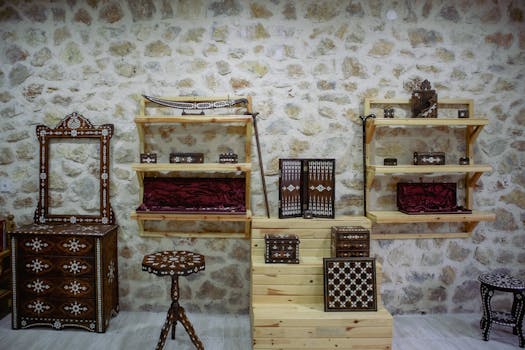
Rediscovering the Human Touch: The Social and Cultural Value of Handmade Furniture
In an era where speed and convenience often win out, the quiet artistry behind handmade furniture can seem like a relic from a bygone age. Yet, beneath each handcrafted chair or meticulously joined table lies a powerful narrative: one that speaks to human ingenuity, tradition, and the shaping of our everyday environments. Handmade furniture does more than simply fill our spaces; it weaves together stories, communities, and cultures, leaving a legacy that mass production cannot replicate. This article delves into the social and cultural value of handmade furniture, exploring how it connects people across generations, preserves local identities, and shapes the way we experience our homes and public spaces.
The Storytelling Power of Handmade Furniture
Every handmade piece of furniture is a tangible story—a snapshot of the artisan’s skills, beliefs, and cultural background. Unlike factory-made goods, which are designed for uniformity, handcrafted items reflect the nuances of the person who made them. For example, a rocking chair built by a craftsman in Vermont may feature maple from local forests and traditional Shaker joinery, while a hand-carved bench from Rajasthan might showcase intricate motifs passed down over centuries.
These objects become storytellers in their own right. In fact, according to a 2022 survey by the American Craft Council, 78% of respondents said that owning handmade furniture made them feel more connected to their heritage or community. Heirloom furniture often serves as a family archive: the dining table where generations gathered for holidays, or the desk where a child wrote their first story. Each scratch or mark is a footnote in a family’s history, making the piece irreplaceable in a way that mass-produced furniture rarely is.
.png)
Handmade Furniture as Cultural Preservation
Furniture making is deeply embedded in the cultural fabric of many societies. Regional styles and techniques are passed from master to apprentice, keeping traditions alive even as tastes evolve. In Japan, for instance, the art of sashimono joinery—constructing furniture without nails or screws—has been practiced for over a thousand years and is recognized as an Intangible Cultural Heritage by UNESCO. The survival of such techniques depends on demand for handmade goods and on the willingness of artisans to teach the next generation.
In 2019, the European Union reported that over 80,000 people were employed in traditional furniture crafts across its member states, with Italy and Spain leading in exports of artisanal furniture. These crafts not only provide livelihoods but also sustain local identities in a globalized marketplace. When you buy a handmade Windsor chair or a French provincial armoire, you’re supporting the cultural ecosystem that produced it.
Building Community Through Collaborative Craft
Handmade furniture is rarely the work of a single person. Workshops, co-operatives, and guilds have long been centers for knowledge exchange and creative collaboration. In modern times, community-based projects are reviving this spirit. Social enterprises like The Joinery in Melbourne and The Furniture Project in the UK bring together experienced makers and novices, using furniture building as a tool for social inclusion and skills development.
These initiatives often target marginalized groups—such as refugees, at-risk youth, or the unemployed—offering them a chance to learn valuable skills and contribute meaningfully to their communities. The Furniture Project, for example, has trained more than 500 people since 2015, with 67% going on to further employment or education. Handmade furniture thus becomes a vehicle for empowerment and social change, not just a product to be bought or sold.
Emotional Resonance: Why Handmade Furniture Feels Different
There’s an intangible quality to handmade furniture that goes beyond visual appeal. Psychologists call this “attachment value”: the sense of connection that develops when people know the story behind their possessions. A 2021 study published in the Journal of Environmental Psychology found that participants felt significantly more satisfied with handmade furniture than with mass-produced equivalents, citing authenticity, warmth, and personal connection as the main reasons.
This emotional resonance can even influence our well-being. Spaces furnished with handmade objects tend to feel more inviting and comforting, encouraging relaxation and deeper social interactions. For instance, boutique hotels and high-end restaurants often commission local artisans to create bespoke furnishings, aiming to craft environments that guests remember and cherish.
The Economic Ripple Effect of Supporting Artisans
When you purchase handmade furniture, your money stays within the community. According to the Institute for Local Self-Reliance, for every $100 spent at a local business (including artisan workshops), $68 recirculates within the local economy—compared to just $43 for chain retailers. This multiplier effect sustains not only the craftspeople but also local suppliers, toolmakers, and service providers.
Moreover, supporting handmade furniture helps combat the environmental and ethical issues associated with mass production. Artisans are more likely to use responsibly sourced timber and non-toxic finishes, and they often minimize waste through careful planning. For example, the average handmade furniture workshop in the US recycles or reuses over 60% of its offcuts, compared to less than 30% in industrial furniture factories.
Handmade Furniture in Public and Shared Spaces
Handmade furniture isn’t confined to private homes. Increasingly, architects and city planners are integrating artisanal pieces into public spaces—from library reading nooks to park benches and civic meeting rooms. These installations serve both functional and symbolic purposes: they invite people to linger, foster a sense of place, and often become landmarks in their own right.
A notable example is the “City Benches” project in Copenhagen, where local woodworkers collaborated with artists to install 100 unique benches across the city. The project not only enhanced urban aesthetics but also sparked conversations about public art, local heritage, and sustainable design.
Comparing the Social Value of Handmade vs. Mass-Produced Furniture
| Aspect | Handmade Furniture | Mass-Produced Furniture |
|---|---|---|
| Community Impact | Supports local artisans and small businesses | Profits centralized in large corporations |
| Cultural Significance | Preserves regional traditions and techniques | Little to no cultural connection |
| Emotional Attachment | High, due to unique stories and craftsmanship | Low, due to anonymity and uniformity |
| Economic Benefits | Recirculates wealth locally, boosts small economies | Wealth often leaves local communities |
| Environmental Impact | Often uses sustainable materials, less waste | Higher environmental footprint, more waste |
Final Thoughts on the Enduring Legacy of Handmade Furniture
Handmade furniture is much more than a functional object—it is a vessel for culture, identity, and human connection. As our world becomes increasingly digitized and standardized, the enduring value of the craftsman’s touch stands out as a counterpoint to disposable consumerism. Whether as a family heirloom, a community project, or a piece of public art, handmade furniture enriches our lives in ways that mass-produced items cannot.
By supporting artisans and seeking out handcrafted pieces, we not only invest in quality and sustainability but also help preserve the stories, skills, and traditions that make our communities unique. In doing so, we ensure that the underrated art of handmade furniture continues to shape our lives—one piece, one story, one home at a time.