Handcrafted Furniture and Wood Carving: A Tribute to Tradition
The warm glow of a hand-finished wooden table, the delicate curves of a carved chair arm, the subtle scent of natural oils—handcrafted furniture and wood carving evoke a sense of heritage, artistry, and authenticity unlike anything found in mass-produced goods. In an age dominated by automation and quick manufacturing, handcrafted woodwork stands as a living tribute to tradition, culture, and the enduring connection between human hands and natural materials. This article delves into the legacy, cultural significance, and ongoing relevance of handcrafted furniture and wood carving, exploring how these timeless arts continue to shape our homes and our identities.
The Enduring Legacy of Handcrafted Woodwork
For centuries, furniture making and wood carving have been integral to human civilization. Archaeological evidence shows that as far back as Ancient Egypt (around 3000 BC), people used hand tools to craft beds, chairs, and chests from native woods. Over time, each culture developed its own styles and techniques—think of the ornate Baroque pieces from 17th-century Europe or the minimalist, joinery-focused designs of Japanese carpentry.
In the 19th and early 20th centuries, before the rise of industrial furniture factories, skilled artisans would often apprentice for years to master their craft. Every piece was unique, bearing the marks of its maker. Even as modern technology revolutionized production, the traditions of handcraft persisted, treasured by those who value artistry and quality over speed and uniformity.
.png)
Today, there are an estimated 20,000 independent furniture makers and woodcarvers in the United States alone, according to the American Craft Council. Globally, countries like India, Indonesia, and Italy continue to support vibrant communities of artisans, passing down knowledge through generations. The enduring popularity of handcrafted woodwork is a testament to its beauty, durability, and meaning.
Cultural Significance: More Than Furniture
Handcrafted furniture and wood carving are not just about utility—they are powerful expressions of culture and identity. In many societies, carved motifs tell stories, symbolize beliefs, or mark social status. For example:
- In West Africa, the Ashanti people produce Akuaba fertility dolls and royal stools, each laden with spiritual symbolism. - Scandinavian cultures are known for “rosemaling,” a style of floral and geometric wood carving that decorates traditional furniture and household objects. - In Japan, tansu chests feature joinery techniques without nails or screws, reflecting a philosophy of harmony with nature.Beyond symbolism, handcrafted pieces are often associated with significant life events: a hand-carved crib for a newborn, a wedding chest to store linens, or a commemorative chair passed down as an heirloom. These objects carry the memory of their makers and the hands that have touched them, becoming vessels of family history.
Traditional Techniques: Honing Skill and Patience
Unlike factory-made furniture, handcrafted pieces demand a high level of skill, attention, and time. Techniques vary by region and style, but some of the most enduring include:
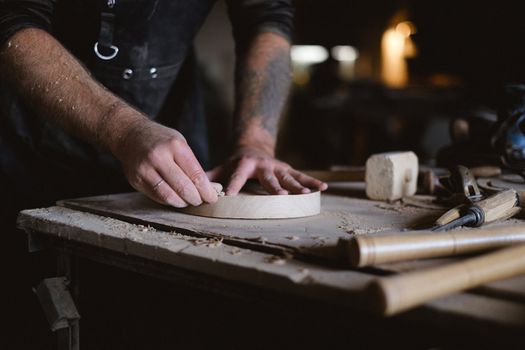
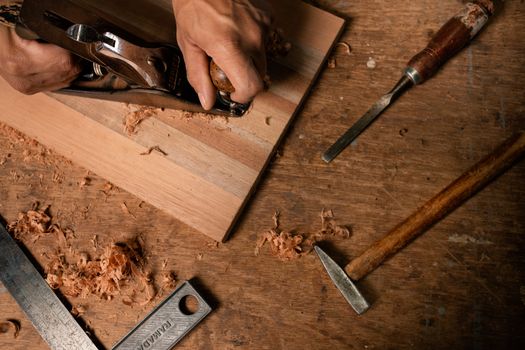
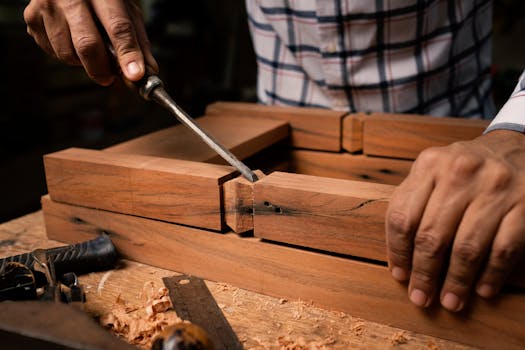
- Mortise and tenon joinery: Used for thousands of years, this method involves fitting a projecting “tenon” into a corresponding “mortise” hole, creating a strong bond without the need for metal fasteners. - Hand carving: Using chisels, gouges, and knives, artisans create intricate patterns, reliefs, or figures. Some carvers spend over 100 hours on a single piece. - Inlay and marquetry: Thin slices of contrasting woods or materials (like mother-of-pearl) are embedded in surfaces to form decorative designs. - Hand finishing: Instead of sprayed lacquers, traditional furniture is often finished with natural oils or waxes, enhancing the wood’s grain and providing a warm, tactile feel.A skilled craftsman can spend anywhere from 40 to 200 hours on a single custom dining table, depending on complexity. Quality is paramount—handcrafted joints, smoothed edges, and subtle detailing all contribute to a product designed to last for generations.
Handcrafted vs. Mass-Produced: A Comparative Overview
In today’s marketplace, consumers are often faced with a choice: purchase handcrafted or opt for mass-produced furniture. Each option has its place, but the differences are significant. The table below provides a side-by-side comparison:
| Aspect | Handcrafted Furniture | Mass-Produced Furniture |
|---|---|---|
| Production Time | 40-200+ hours per piece | 1-3 hours per piece |
| Materials Used | Solid hardwoods, natural finishes | Engineered wood, veneers, synthetic finishes |
| Uniqueness | Each piece is unique | Identical, standardized products |
| Lifespan | 50-100+ years | 5-15 years |
| Artisan Involvement | Direct, hands-on craft | Machine and assembly line |
| Cost | Higher upfront, long-term value | Lower upfront, frequent replacement |
According to a 2022 survey by Statista, 47% of consumers expressed willingness to pay more for handcrafted furniture due to its uniqueness and durability. While mass-produced items may offer affordability and uniformity, handcrafted pieces provide lasting value, character, and a tangible connection to tradition.
Preserving Heritage in a Modern World
As digital lifestyles accelerate, there is a growing movement to preserve traditional woodworking skills and support artisan communities. Organizations such as the Heritage Crafts Association and the Furniture Society offer apprenticeships, exhibitions, and grants to keep these arts alive. In the United States, the Craftsman’s Guild of Mississippi has trained over 500 new woodworkers since 2010, and similar efforts are underway worldwide.
Museums and historic homes often showcase antique handcrafted furniture, providing a window into the craftsmanship of earlier centuries. Workshops and “maker spaces” are gaining popularity, allowing people of all ages to try their hand at wood carving or furniture building, often under the guidance of master artisans.
Technology also plays a role in preservation. Social media platforms and e-commerce have enabled independent craftspeople to reach a global audience, selling bespoke pieces that would have once been limited to local markets. In 2023, the online marketplace Etsy reported a 28% increase in searches for “handmade wood furniture,” reflecting renewed interest in authentic, handcrafted goods.
The Emotional Value of Handcrafted Woodwork
Beyond aesthetics and durability, handcrafted furniture and wood carving hold emotional significance. Custom pieces are often created with specific stories or intentions in mind, making them cherished possessions.
A family might commission a dining table from a local craftsman, specifying details that reflect their heritage or lifestyle. The finished table becomes a focal point for gatherings, celebrations, and memories—its surface marked by everyday life, its joints holding firm through generations. Hand-carved details might commemorate important milestones or evoke a sense of place, connecting people to their past.
Academic studies support the idea that handcrafted objects foster a stronger sense of attachment and satisfaction. A 2021 research paper published in the Journal of Material Culture found that individuals who owned handmade furniture reported higher levels of emotional well-being and pride in their homes compared to those with only mass-produced furnishings.
Honoring Tradition While Embracing Innovation
Handcrafted furniture and wood carving are dynamic arts, not static relics. While rooted in tradition, many artisans are experimenting with new forms, sustainable materials, and hybrid techniques—combining handwork with digital design or CNC tools. This blending of old and new allows the craft to evolve while maintaining its soul.
Contemporary makers might use reclaimed wood from historic buildings, infusing their work with stories from the past. Others collaborate with designers, architects, and clients to create functional art that fits modern lifestyles. The result is a vibrant, living tradition—one that honors the past while embracing the possibilities of the future.
Whether you’re drawn to a rustic farmhouse table, a delicately carved box, or a sleek, modern chair made by hand, choosing handcrafted woodwork is a celebration of human ingenuity, patience, and creativity. It’s a tribute to the traditions that shape us—and a way to ensure those traditions endure.