Reclaiming Artistry in Handmade Furniture and Wood Carving: Celebrating Human Touch in a Mechanized World
In an era dominated by mass production and digital fabrication, the value of human artistry in handmade furniture and wood carving stands at a crossroads. As sleek, machine-made pieces fill endless showrooms and online catalogs, discerning homeowners and collectors are increasingly seeking the warmth, authenticity, and individuality that only handcrafted woodwork can deliver. This resurgence is more than a fleeting trend; it’s a cultural movement to reclaim the artistry lost to automation, to celebrate the stories embedded in every chisel mark and dovetail joint. In this article, we’ll explore why the human touch matters now more than ever, how artisans are innovating within tradition, and what makes handmade furniture and wood carving a unique legacy to cherish and pass on.
The Irreplaceable Value of Human Hands in Woodworking
Despite advances in computer-controlled manufacturing, handmade furniture and wood carving offer a sensory richness and nuanced beauty that machines struggle to replicate. According to a 2023 report by the American Craft Council, over 67% of customers say that the story and character of handmade pieces are key reasons for their purchase, with 53% expressing a willingness to pay a premium for handcrafted goods.
.png)
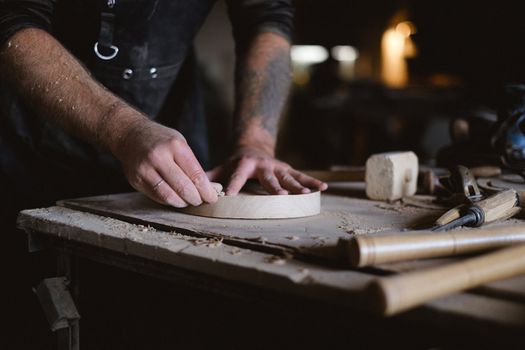
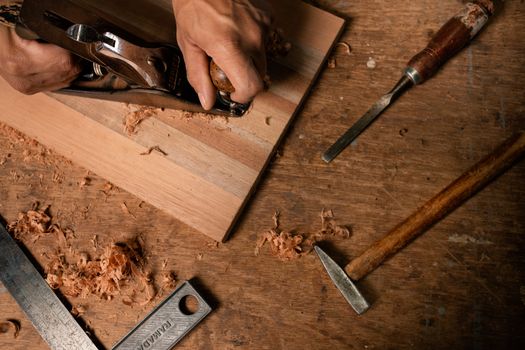
A master woodworker brings intuition, experience, and a deep understanding of materials to every creation. Each plank is chosen for its unique grain; every joint, curve, and detail is shaped by tools wielded with practiced skill. The result is a piece that radiates personality—an object that feels alive. For example, the subtle imperfections and minor variations found in hand-carved wooden chairs or tables are not flaws but signatures of the artist, transforming furniture into functional art.
Moreover, the relationship between maker and material is intimate. Artisans respond to the quirks of walnut, oak, or maple, adjusting their technique to honor the wood’s natural strengths. This sensitivity cannot be pre-programmed into a CNC router or assembly line but must be cultivated over years of practice.
The Renaissance of Traditional Techniques
As interest in authentic craftsmanship grows, there is renewed appreciation for traditional woodworking methods that have endured for centuries. Techniques such as mortise-and-tenon joinery, hand-cut dovetails, and intricate chip carving are making a comeback—not just as nostalgic nods to the past, but as testaments to enduring quality.
For instance, Japanese joinery, famed for its complexity and strength without using nails or screws, is being studied and adapted by artisans worldwide. In Scandinavia, classic Scandinavian folk carving, with its stylized motifs and bold geometric patterns, has inspired contemporary designers to revisit old forms with fresh eyes.
According to the National Institute of Woodworking, enrollment in traditional woodworking classes in the United States rose by 28% between 2020 and 2023, indicating a growing recognition of the cultural and technical value of these age-old skills. Makers are not only preserving heritage but also pushing boundaries—experimenting with hybrid techniques, new finishes, and sustainable woods to create pieces that are both timeless and forward-thinking.
Artistry Versus Automation: A Comparison
To better understand the unique qualities of handmade furniture and wood carving, let’s compare key aspects of handcrafted and machine-made pieces:
| Aspect | Handmade Furniture & Carving | Machine-Made Furniture |
|---|---|---|
| Craftsmanship | Unique, each piece reflects the artisan’s skill and personality | Consistent, uniform, lacks individual touch |
| Materials | Often uses locally sourced, high-quality, or reclaimed wood | Frequent use of engineered wood, veneers, or composites |
| Design | Customizable, one-of-a-kind, can incorporate personal stories or heritage motifs | Standardized, mass-produced, limited customization |
| Longevity | Built to last generations; repairable | Designed for lower cost and faster replacement |
| Environmental Impact | Lower, especially with sustainable sourcing and low-waste methods | Higher, due to industrial processes and shipping distances |
The table above shows that the artistry in handmade woodworking is not just aesthetic—it's integral to durability, sustainability, and emotional value.
Modern Masters: Stories of Contemporary Artisan Innovators
Today’s woodworkers are not bound by tradition alone; they are also innovators, blending old-world skills with new design sensibilities and sustainability practices. Consider the work of Blacktail Studio in Oregon, whose founder, Cam Anderson, combines live-edge slabs with minimalist joinery and natural oils. Their large, sculptural dining tables command prices upwards of $10,000 and have been featured in design magazines across the U.S.
Another example is the UK-based Qubus Studio, known for their limited-edition carved furniture that fuses abstract geometry with classic woodworking. Their pieces often sell out within days of release, attracting collectors from Europe and Asia.
These modern masters are building new communities, too. Online platforms like Instagram and YouTube have democratized access to woodworking knowledge, allowing artisans to share techniques, inspire novices, and reach global audiences. According to a 2022 survey by Woodworking Network, 41% of professional woodworkers reported increased sales after showcasing their process on social media.
The Emotional and Cultural Impact of Handcrafted Woodwork
Handmade furniture and wood carvings do more than fill a practical need; they serve as vessels for memory, identity, and connection. A hand-carved hope chest, gifted for a wedding, becomes a family heirloom cherished for generations. The intricate reliefs on a wooden mantelpiece evoke stories of heritage and craftsmanship.
In many cultures, wood carving holds ceremonial and symbolic significance. The Maori of New Zealand, for example, use carved wooden panels to tell tribal histories and convey spiritual meaning. In West Africa, carved stools and masks are vital expressions of community and legacy.
On an individual level, living with handmade objects enhances well-being. A 2021 study by the University of Exeter found that exposure to handcrafted furnishings in the home increased feelings of comfort and reduced stress for 68% of participants, compared to homes furnished exclusively with mass-produced items.
Building a Personal Legacy: Commissioning and Caring for Handmade Furniture
Choosing handmade furniture is not only about aesthetics—it’s an investment in quality, sustainability, and personal expression. For those considering such a purchase, the process often begins with a conversation. Artisans work closely with clients to understand their needs, preferences, and the intended space, ensuring that each piece is tailored to its future home.
Commissioning a custom piece can take anywhere from several weeks to several months, depending on complexity and the artisan’s workload. Prices vary widely, with custom dining tables ranging from $2,000 to $20,000 or more, reflecting the time, materials, and expertise involved.
Maintaining handmade woodwork is straightforward but essential: regular dusting, occasional oiling or waxing, and prompt attention to spills or scratches will keep pieces looking their best for decades. Unlike flat-pack furniture, handmade items can be repaired, refinished, and restored, extending their life and sentimental value.
Embracing the Future: Why Reclaiming Artistry Matters Now
As we navigate an increasingly homogenized world, reclaiming artistry in handmade furniture and wood carving is an act of defiance against disposability. It’s a way to support local economies, preserve endangered skills, and create meaningful connections between people and the objects that shape their lives.
The numbers are telling: The global handmade furniture market is projected to grow from $44.5 billion in 2023 to $51.8 billion by 2027, according to Grand View Research—evidence of a rising collective desire for authenticity and artistry.
Whether you commission a bespoke dining table, invest in a hand-carved sculpture, or try your own hand at carving, you participate in a living tradition. By valuing the work of human hands, you ensure that the art of woodworking continues to evolve, inspire, and enrich the world for generations to come.