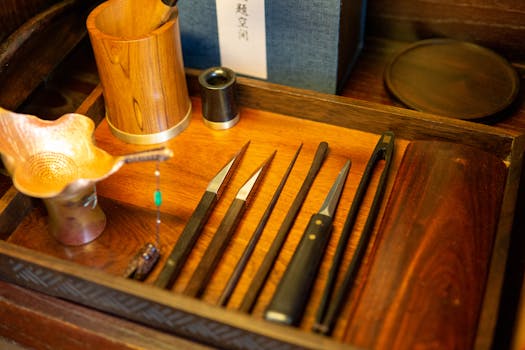
The Fusion of Function and Art in Handcrafted Furniture and Wood Carving
Handcrafted furniture and wood carving represent a remarkable intersection of practical design and artistic expression. Unlike mass-produced pieces, these handcrafted works carry stories, traditions, and the unmistakable touch of the creator. For centuries, furniture makers and wood carvers have pushed the boundaries of what’s possible with timber, transforming humble materials into functional masterpieces. Today, the fusion of function and art in handcrafted furniture and wood carving is experiencing a renaissance as discerning homeowners, collectors, and designers seek out pieces that are as beautiful as they are useful.
The Historical Roots of Functional Artistry in Woodwork
The marriage of function and art in woodworking is not a modern phenomenon. Ancient civilizations, from Egyptian joiners to Chinese artisans, infused their furniture with decorative motifs, complex joinery, and symbolic carvings. In 18th-century Europe, the Rococo and Baroque styles elevated furniture to high art, with ornate carvings and gilded accents gracing the homes of royalty.
For example, the Chippendale style—named after English cabinetmaker Thomas Chippendale—melded robust construction with intricate carvings and elegant silhouettes. Even centuries ago, the value of bespoke wooden furniture lay in its dual ability to serve practical needs and delight the senses.
.png)
Today, this tradition lives on. Contemporary artisans draw inspiration from the past while innovating with new forms, finishes, and techniques. According to the American Craft Council, the demand for custom, handcrafted furniture has grown by more than 30% in the past decade, signaling a renewed appreciation for the art of woodworking.
Defining the Fusion: When Function Meets Art
What exactly does it mean to fuse function and art in furniture and wood carving? At its core, this fusion is about creating pieces that are both useful and visually captivating. It’s the difference between a plain bookshelf and one with hand-carved panels depicting a forest scene, or a table whose legs spiral in forms inspired by nature.
Three key characteristics often define this fusion:
1. $1 Every element, from joinery to ornamentation, serves a dual role—supporting the piece’s utility while enhancing its beauty. 2. $1 Carving, inlay, marquetry, and sculptural forms elevate everyday furniture into works of art. 3. $1 Many artisans imbue their pieces with personal stories, cultural motifs, or unique signatures, making each work one-of-a-kind.A 2023 survey by the Guild of Master Craftsmen found that 78% of buyers of handcrafted furniture cited “artistic value” as a primary reason for their purchase, second only to durability.
Materials and Techniques: The Canvas of the Woodworker
The choice of material is foundational in handcrafted furniture and wood carving. Artisans select wood not only for strength and longevity but also for its grain, color, and ability to take on a finish or carve. Some of the most popular woods include:
- $1 Prized for its rich, dark color and fine grain—ideal for detailed carving. - $1 Valued for its light tone and strength, often used in contemporary designs. - $1 Known for its robustness and pronounced grain, a favorite for rustic and traditional pieces. - $1 Appreciated for its warm hues and smooth texture, darkening beautifully with age.Techniques vary widely, from low-relief carving—which adds subtle texture—to full sculptural carving where a functional element, such as a chair’s backrest, becomes a narrative scene or abstract form. Inlay and marquetry, where different species of wood or even materials like mother-of-pearl are set into the surface, add further layers of artistry.
According to data from Woodworking Network, the number of workshops specializing in hand-carved furniture has increased by 25% since 2020, reflecting a trend toward craftsmanship and attention to detail.
Signature Styles: Examples of Functional Artistry in Practice
Artisans worldwide have developed distinctive approaches to blending art and function. Here are a few notable styles and examples:
- $1 Eschewing nails or screws, Japanese woodworkers use complex interlocking joints—like the dovetail or mortise and tenon—creating seamless furniture that’s structurally sound and visually harmonious. - $1 Famed for clean lines and minimal ornamentation, this style focuses on the natural beauty of wood, letting subtle details and craftsmanship shine. - $1 These early 20th-century movements embraced flowing lines, geometric forms, and elaborate inlays, producing furniture that stands as sculpture in its own right. - $1 Modern makers like George Nakashima and Mira Nakashima highlight live edges, knots, and natural imperfections, turning what was once considered a flaw into a focal point.For instance, the famous “Conoid Bench” by George Nakashima features a live-edge slab seat supported by hand-shaped spindles—a perfect example of functional art, where the grain and shape of the wood dictate the final form.
Handcrafted vs. Mass-Produced: A Comparative Overview
To understand the true value of handcrafted furniture and wood carving as functional art, it’s helpful to compare them with their mass-produced counterparts. The table below highlights key differences.
| Feature | Handcrafted Furniture & Wood Carving | Mass-Produced Furniture |
|---|---|---|
| Artistic Value | High—each piece is unique, often with custom designs or carvings | Low—uniform, designed for efficiency and replication |
| Materials | Solid woods, premium finishes, natural materials | Engineered woods, laminates, synthetic finishes |
| Durability | Long-lasting, heirloom quality; often lasts 50+ years | Typically 5-10 years before showing wear or failing |
| Customization | Extensive—size, wood, design, and carving details can be tailored | Limited—standardized options, little to no personalization |
| Environmental Impact | Lower—often uses local or reclaimed wood, minimal waste | Higher—often imports materials, generates more waste |
| Price | Higher upfront, but more value over time | Lower upfront, but may require frequent replacement |
This comparison underscores why more people are investing in handcrafted pieces: they offer not just function, but lasting beauty and individuality.
The Emotional and Cultural Impact of Functional Art Furniture
Beyond practicality and aesthetics, handcrafted furniture and carved wood pieces carry deep emotional and cultural significance. A hand-carved dining table may become the heart of family gatherings for generations, while a custom bookshelf carved with meaningful motifs can be a daily source of inspiration.
In many cultures, certain forms and motifs in wood carving carry symbolic meaning. For example, Maori wood carving in New Zealand features intricate patterns that represent ancestry and spiritual beliefs. In India, floral and geometric carvings on furniture are thought to ward off negative energy.
A 2022 study by the Furniture Society found that 62% of people who purchased handcrafted furniture did so because they wanted a “meaningful connection” to their home environment, compared to only 18% for standard, mass-produced items.
How to Choose and Care for Functional Art in Your Home
If you’re considering adding handcrafted functional art to your living space, there are several key factors to keep in mind:
- $1 Consider how the piece will be used. Will it be a centerpiece, like a dining table, or an accent, like a carved stool? - $1 Look for makers whose style and values align with your own. Many artisans offer custom design services to integrate personal symbols or stories. - $1 Handcrafted woodwork often requires different care than mass-produced items. Use gentle cleaners, avoid extreme humidity, and periodically apply oil or wax to maintain the finish. - $1 Well-made pieces can become family heirlooms—choose designs and materials that will stand the test of time, both structurally and stylistically.By curating your home with handcrafted functional art, you’re not just acquiring furniture—you’re investing in legacy, artistry, and the enduring beauty of the handmade.
Celebrating the Future: The Ongoing Evolution of Handcrafted Furniture and Wood Carving
As technology and design sensibilities evolve, so too does the fusion of function and art in handcrafted furniture. Today’s artisans are experimenting with new forms, integrating mixed media, and using sustainable practices to push the boundaries of what wooden furniture can be. Digital tools like CNC routers and 3D modeling software allow for unprecedented precision, yet it’s still the human touch—vision, skill, and creativity—that makes each piece truly special.
With a growing appreciation for slow craft, authenticity, and meaningful design, it’s clear that the union of function and art in woodwork is not just a trend, but a timeless value. Whether you’re a collector, a homeowner, or simply an admirer of beautiful things, handcrafted functional art offers the chance to bring something truly unique and soulful into your space.