Handcrafted Furniture and Wood Carving: The Harmony of Nature and Nurture
The world of handcrafted furniture and wood carving is a fascinating interplay between the raw beauty of nature and the refined touch of human creativity. Each piece tells a story—a story of ancient forests transformed by skilled hands, of tradition meeting innovation, and of materials shaped not just by tools, but by vision and care. In an era dominated by mass production and synthetic materials, handcrafted wooden furniture stands out as a testament to the enduring relationship between nature’s gifts and human ingenuity. This article delves into the harmony of nature and nurture in handcrafted furniture and wood carving, exploring how these twin forces shape objects of lasting beauty, utility, and meaning.
The Journey from Tree to Treasure: Nature’s Role in Handcrafted Furniture
The story of handcrafted furniture begins long before the artisan picks up their chisel. It starts in the forest, where trees grow slowly over decades, sometimes even centuries. The choice of wood is paramount: each species brings unique qualities to the finished piece. Oak, with its dense grain and remarkable strength, has been a favorite for centuries. Walnut offers a rich, dark hue and a smooth texture prized for fine furniture. Maple, cherry, and mahogany each contribute their own aesthetics and working properties.
Beyond species, the environment in which a tree grows—its soil, climate, and exposure—imparts unique characteristics to the wood. For instance, slow-growing trees in colder climates often yield denser, more durable timber. This means that even within the same species, no two boards are exactly alike. Knots, grain patterns, and color variations all reflect nature’s hand, providing a canvas for the artisan.
.png)
Sustainability is now a growing concern, with more craftspeople and customers seeking woods harvested responsibly. The Forest Stewardship Council (FSC) reports that over 200 million hectares of forests are now FSC-certified worldwide, ensuring that wood is sourced with respect for both the environment and local communities. This conscious selection brings an added layer of meaning to handcrafted wooden furniture: an object made not just from nature, but in harmony with it.
The Human Touch: Nurturing Raw Materials into Art
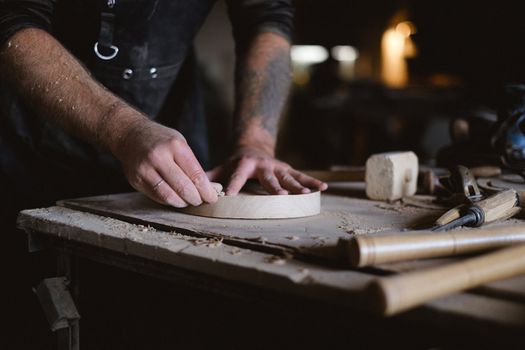
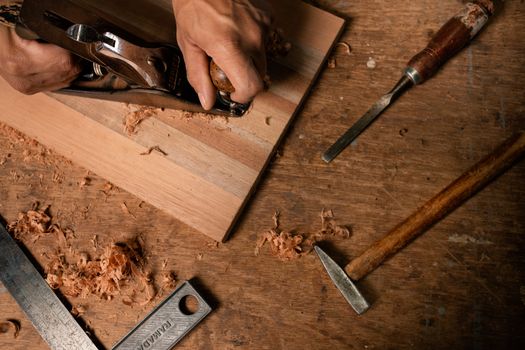
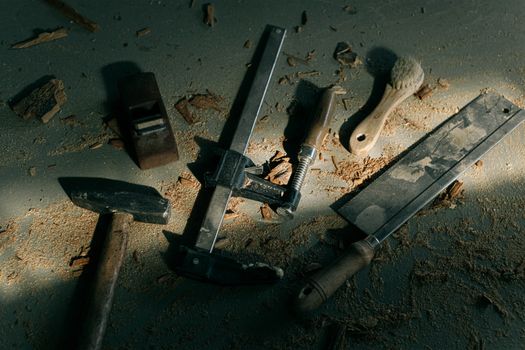
Once the wood is selected, the nurturing process begins. The transformation from log to legacy piece relies on the artisan’s skills, patience, and intimate knowledge of their medium. Hand tools like chisels, gouges, and mallets allow for a tactile connection that machines cannot replicate. The process is slow and deliberate—carving, shaping, joining, and finishing each component with care.
Traditional joinery techniques, such as dovetail and mortise-and-tenon joints, are often employed. These methods, perfected over centuries, require precision and foster a bond between parts that can last generations without relying on screws or nails. In fact, some hand-carved furniture from the Ming dynasty (1368–1644) still survives today, a testament to the durability achievable when nature’s gifts are nurtured with skill.
Wood carving adds another dimension. Whether it’s a delicate floral motif on a chair back or an intricate relief panel, carving transforms the furniture from mere function to artistic expression. Each cut is purposeful, revealing the potential hidden within the grain. The process is intensely personal: no two artisans carve in exactly the same way, and no two pieces are identical.
Contrasting Handcrafted and Mass-Produced Furniture: A Side-by-Side Look
In today’s market, handcrafted furniture often sits alongside mass-produced items. While both fulfill basic needs, their differences are stark—not just in appearance, but in environmental impact, durability, and emotional resonance.
| Aspect | Handcrafted Furniture | Mass-Produced Furniture |
|---|---|---|
| Materials | Solid wood, natural finishes | Particleboard, veneers, synthetic finishes |
| Production Time | Weeks to months | Hours to days |
| Durability | Decades to centuries | 5-15 years on average |
| Environmental Impact | Often sustainable, lower waste | Higher emissions, more waste |
| Uniqueness | Each piece is one-of-a-kind | Identical, mass-produced |
| Emotional Value | Heirloom potential, personal story | Disposable, less sentimental value |
According to a 2023 survey by the American Home Furnishings Alliance, 57% of US consumers expressed a willingness to pay more for handmade furniture, citing quality and uniqueness as top reasons. This growing appreciation reflects a broader trend toward valuing objects that embody both nature’s gifts and human nurture.
Wood Carving: Where Technique Meets Inspiration
Wood carving is often described as “drawing with a knife.” It is where the nurturing hand of the artisan brings a vision to life, working with the natural grain rather than against it. There are numerous carving styles, from deep reliefs and ornate scrollwork to sleek, minimalist designs. Each requires a unique set of techniques and tools.
For example, chip carving—a method using small, precise cuts—yields geometric patterns often seen in Scandinavian furniture. Relief carving creates raised images that seem to emerge from the wood’s surface. In contrast, whittling, which uses only a knife, is celebrated for its simplicity and rustic charm.
Cultural influences also play a significant role. Indian artisans are known for their intricate jali (lattice work), while African carvers often incorporate symbolic figures and stories into their furniture. European traditions, particularly from the Baroque and Rococo periods, favored elaborate floral and animal motifs.
The nurturing aspect is evident in the time investment: a single carved panel can take upwards of 100 hours to complete. This devotion results in pieces that are not just functional, but also deeply expressive—a fusion of the artisan’s spirit and nature’s raw material.
The Emotional and Psychological Value of Handcrafted Wooden Furniture
Handcrafted wooden furniture does more than fill a space; it creates an atmosphere. Studies have shown that natural materials in the home can have a calming effect. A 2022 report from the International Journal of Environmental Research and Public Health found that rooms furnished with natural wood lowered stress levels and promoted a sense of well-being compared to environments dominated by synthetic materials.
This emotional resonance stems from the harmony between nature and nurture. The warmth of real wood, the subtle imperfections left by hand tools, and the knowledge that a piece was created with care all contribute to a sense of connection. Such furniture often becomes a family heirloom, passed down through generations, accumulating stories and memories along the way.
Moreover, handcrafted pieces allow for customization. Whether it’s a dining table sized perfectly for a family’s needs or a carved motif that holds personal significance, the nurturing process can be tailored to individual desires, further deepening the bond between owner and object.
Preserving Craftsmanship in the Modern World
As technology advances and fast furniture becomes more accessible, the traditions of handcrafted furniture and wood carving face challenges. Yet, there is a resurgence of interest among younger generations. Craft schools, online tutorials, and maker communities are fostering new talent. The US Bureau of Labor Statistics notes that between 2019 and 2023, enrollment in woodworking programs increased by 18%, signaling renewed interest in manual craftsmanship.
Organizations like the American Association of Woodturners and the UK’s Heritage Crafts Association provide resources, training, and advocacy to ensure these skills are not lost. Many contemporary artisans are also blending tradition with innovation—using computer-aided design (CAD) to plan intricate carvings or applying eco-friendly finishes that preserve the wood’s natural beauty.
This blending of the old and the new is itself a testament to the harmony of nature and nurture: respecting what has come before while nurturing new approaches for the future.
Celebrating the Harmony of Nature and Nurture in Handcrafted Furniture
Handcrafted furniture and wood carving represent much more than functional objects—they are the meeting point of earth’s bounty and human creativity. Every piece is a tribute to the patience of the forest and the passion of the artisan. In embracing handcrafted wooden furniture, we honor both the natural world and the nurturing spirit that shapes it into something meaningful.
As we look to the future, the harmony of nature and nurture in furniture-making offers a path toward more sustainable, beautiful, and emotionally resonant living spaces. It is a legacy worth preserving, celebrating, and passing on.