The Revival of Traditional Techniques in Modern Handcrafted Furniture: A Return to Authentic Craftsmanship
In an age where mass production and speed dominate the furniture industry, a quiet but powerful movement is underway—one that seeks to reconnect with age-old skills and values. The revival of traditional techniques in modern handcrafted furniture is not just a fleeting trend; it’s a significant shift in how we think about quality, sustainability, and artistry in our living spaces. As consumers become more discerning and conscious of the stories behind their possessions, traditional craftsmanship is being re-embraced, infusing modern interiors with authenticity, durability, and a deep sense of heritage.
Rediscovering Heritage: The Roots of Traditional Furniture Techniques
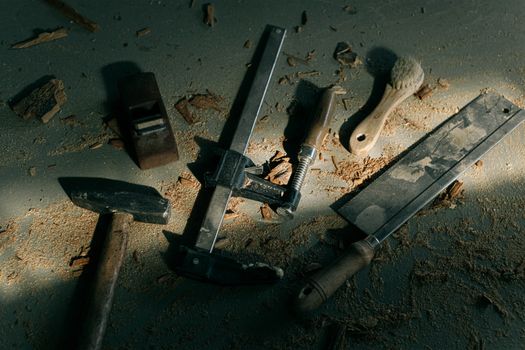
To understand the resurgence of traditional methods in furniture-making, it’s essential to look back at the origins of these techniques. Before the Industrial Revolution, all furniture was handmade, often within small, family-run workshops. Craftsmen relied on skills passed down through generations, using locally sourced materials and time-tested joinery methods—like mortise and tenon, dovetail, and pegged joints—to create pieces that were built to last.
.png)
In the late 19th and early 20th centuries, the Arts and Crafts Movement pushed back against industrialization, advocating for a return to handcraftsmanship and individual artistry. Today’s revival is both a continuation and an evolution of that ethos. According to a 2021 report from the Craft Council UK, over 60% of consumers expressed a preference for products with a clear heritage or traditional story. Modern artisans are not simply replicating the past; they are reinterpreting traditional methods for contemporary tastes and needs, blending old-world skill with new-world design.
Signature Techniques: What Sets Traditional Handcrafted Furniture Apart
Several hallmark methods distinguish traditional handcrafted furniture from its mass-produced counterparts. Understanding these techniques sheds light on why they’re so valued in contemporary furniture-making:
Hand Joinery: Traditional furniture often eschews nails and screws in favor of joints like dovetails, mortise and tenon, and butterfly joints. Not only do these techniques provide strength, but they also add visual interest and a sense of authenticity.
Wood Selection and Preparation: Craftsmen historically selected timber based on grain, durability, and local availability. Today’s artisans often continue this practice, hand-picking woods such as oak, walnut, and cherry for their unique character.
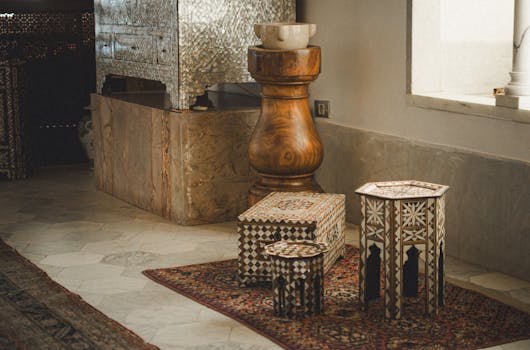
Hand-Carving and Inlay: Decorative carving and intricate inlay work showcase the maker’s skill and elevate simple forms into works of art. Examples include Shaker simplicity, Chippendale ornamentation, or the marquetry found in French furniture.
Natural Finishing: Instead of synthetic lacquers, traditional finishers used oils, waxes, and shellac, which enhance the wood’s natural beauty and allow it to age gracefully.
According to the American Furniture Hall of Fame Foundation, furniture made using traditional joinery can last 50-100 years or more, compared to 10-20 years for many mass-produced pieces.
Modern Adaptations: How Artisans are Blending Old and New
The modern revival of traditional techniques doesn’t mean living in the past. Today’s makers are reimagining heritage skills for a new era, creating pieces that honor tradition while embracing innovation. This fusion is visible in several key ways:
Hybrid Construction: Some workshops combine hand joinery with precision-cut elements from CNC machines, ensuring both strength and efficiency. This allows for customization and complexity that would be time-prohibitive by hand alone.
Sustainable Practices: Traditional techniques often align naturally with environmentally friendly values. By using locally sourced, responsibly harvested wood and natural finishes, artisans create eco-conscious furniture without sacrificing quality.
Contemporary Forms: While traditional techniques underpin the construction, many modern pieces feature minimalist lines, mixed materials (like steel and leather), or modular functionality. The result is furniture that fits seamlessly into today’s homes while carrying the soul of craftsmanship.
Collaborative Studios: A growing number of furniture studios function as collectives, blending the talents of woodworkers, metalworkers, and textile artists. This multidisciplinary approach echoes the guild traditions of the past, fostering creativity and community.
Why Consumers Are Returning to Handcrafted Heritage
The renewed interest in traditional handcrafted furniture is fueled by several cultural and practical factors:
Durability and Longevity: According to the Environmental Protection Agency (EPA), Americans throw away over 9 million tons of furniture annually. Heirloom-quality pieces, made using traditional techniques, are built to last for generations, reducing waste and the need for frequent replacement.
Unique Character: No two handcrafted pieces are exactly alike. The subtle variations in grain, joinery, and hand finishing give each item a story and personality that mass-produced furniture can’t replicate.
Connection to Story and Maker: Consumers increasingly want to know where their belongings come from and who made them. Handcrafted furniture offers a direct link to the artisan’s story, often with opportunities for personalization or custom commissions.
Sustainability: Traditional methods, which rely on natural materials and minimal processing, align with the growing demand for sustainable, low-impact goods. According to a 2022 Statista survey, 66% of global consumers are willing to pay more for sustainable products.
Healthier Homes: Natural finishes and solid wood construction mean fewer volatile organic compounds (VOCs) and less off-gassing—important considerations for indoor air quality.
Traditional vs. Mass-Produced Furniture: A Comparative Overview
To further illustrate the benefits and distinctions, consider the following comparison:
| Feature | Traditional Handcrafted Furniture | Mass-Produced Furniture |
|---|---|---|
| Construction Methods | Hand joinery, carving, inlay | Machine assembly, fasteners, adhesives |
| Lifespan | 50-100+ years | 10-20 years |
| Materials | Solid wood, natural finishes | Engineered wood, veneers, synthetic finishes |
| Customization | High—often made to order | Limited—standardized models |
| Environmental Impact | Lower—sustainable sourcing and durability | Higher—resource-intensive, more waste |
| Price Range | $$$ (investment for longevity) | $-$$ (lower upfront cost) |
This table highlights why many consumers view handcrafted, traditionally-made furniture as an investment rather than an expense.
Global Influences: Traditional Techniques Around the World
The revival of traditional methods isn’t confined to one region. Across the globe, artisans are rediscovering and preserving their cultural woodworking heritage:
Japanese Joinery (Kumiko and Sashimono): These intricate joinery techniques use no nails or screws, creating strong, elegant structures that have stood the test of time in Japanese temples and homes.
Scandinavian Craftsmanship: Known for its minimalist design and robust construction, Scandinavian furniture employs techniques like steam bending and hand-shaping, often using local birch, pine, or oak.
Indian Wood Carving: Indian artisans have centuries-old traditions of intricate carving and inlay, with regions like Saharanpur famed for their distinctive designs.
American Shaker and Mission Styles: Rooted in religious communities, these styles emphasize simplicity, honesty, and functional craftsmanship, relying on pegged joints and hand-planed surfaces.
This global revival is supported by organizations like UNESCO, which has designated several traditional furniture-making methods as intangible cultural heritage, recognizing their value for future generations.
Preserving Skills for the Future: Education and Apprenticeship
One challenge facing the revival of traditional furniture techniques is skill transmission. As older craftspeople retire, there’s a risk of losing valuable knowledge. However, the tide is turning through:
Apprenticeship Programs: Schools like the North Bennet Street School (Boston) and the Chippendale International School of Furniture (Scotland) offer intensive programs in traditional woodworking, ensuring these skills are passed to new generations.
Online Learning: Platforms such as MasterClass and YouTube provide access to master artisans demonstrating hand joinery, carving, and finishing techniques.
Maker Spaces and Community Workshops: Local initiatives allow hobbyists and emerging makers to access tools, mentorship, and community support.
These educational efforts are essential to keeping traditional techniques alive and evolving, ensuring that handcrafted furniture continues to inspire and enrich homes worldwide.
The Lasting Impact of Traditional Techniques in Modern Furniture
The renaissance of traditional techniques in handcrafted furniture represents more than nostalgia. It’s a conscious response to the challenges of fast furniture, environmental concerns, and a desire for meaningful connection in our homes. By choosing furniture rooted in age-old methods, consumers invest in pieces that tell a story, stand the test of time, and support a living tradition of creativity and sustainability.
As artisans blend the best of the past with contemporary needs, the future of handcrafted furniture shines brighter than ever—proving that authenticity, skill, and heritage never go out of style.